

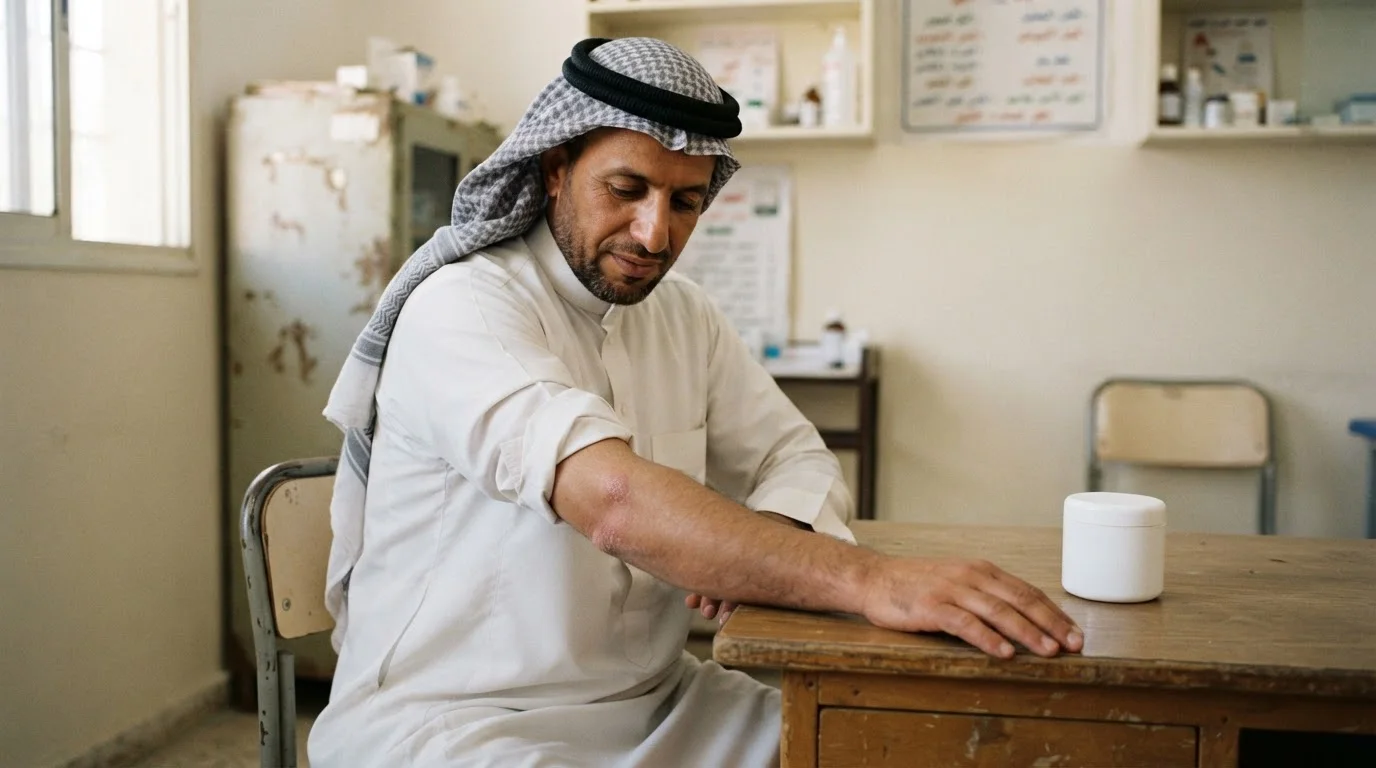
Eczema is one of the most common chronic skin diseases, affecting 20% of children and 3–5% of adults. It causes severe itching that can disrupt sleep, work, and quality of life. The ClinicsJo Editorial Team reviews the types, causes, and modern treatments.
What Is Eczema?
Eczema (or atopic dermatitis) is a chronic, non-contagious skin disease characterized by itching, redness, dryness, and scaling. It arises from a disrupted skin barrier and immune dysregulation involving genetic and environmental factors.
Types of Eczema
1. Atopic Dermatitis
The most common form, typically starting in childhood. Linked to allergic rhinitis and asthma ("atopic triad").
2. Contact Dermatitis
A reaction to a specific substance:
- Irritant: soaps, cleaning agents.
- Allergic: nickel, perfumes, rubber.
3. Dyshidrotic Eczema
Small painful blisters on the palms and soles.
4. Nummular Eczema
Round, coin-shaped patches.
5. Stasis Dermatitis
Affects the legs in patients with varicose veins or poor circulation.
6. Seborrheic Dermatitis
Dandruff, brows, sides of the nose.
Causes and Risk Factors
- Genetics (Filaggrin gene mutation weakens the skin barrier).
- Immune dysregulation.
- Allergies (food, airborne).
- Dry climate (Jordan, especially in winter).
- Stress.
- Sweating and heat.
Common Triggers
- Harsh soaps and detergents.
- Wool and rough fabrics.
- Climate changes (dry air, extreme heat).
- Sweat.
- Allergens: dust, grass, animals, foods (milk, eggs, peanuts).
- Fragrances.
- Psychological stress.
Symptoms
- Intense itching (the cardinal symptom).
- Redness and swelling.
- Severe dryness and scaling.
- Thickened patches (lichenification) from chronic scratching.
- Cracks that may bleed.
- Secondary infection (bacterial or viral).
Diagnosis
A dermatologist usually diagnoses eczema clinically. May also use:
- Patch testing for contact dermatitis.
- Blood tests to rule out other causes.
- Biopsy in rare cases.
Treatment
1. Intensive Moisturization (Foundation)
Moisturizers are the most important treatment. Apply 3–5 times daily, especially within 3 minutes of bathing. Choose:
- Thick ointments for severe cases.
- Ceramide-based moisturizers to strengthen the barrier.
- Fragrance- and preservative-free products.
2. Topical Corticosteroids
Foundation of flare treatment. Multiple potencies from mild (hydrocortisone 1%) to potent (clobetasol). Used for limited periods to avoid thinning.
3. Calcineurin Inhibitors (Tacrolimus, Pimecrolimus)
Steroid-sparing creams, safe for face, eyelids, and thin skin.
4. Oral Antihistamines
To ease nighttime itching (cetirizine, diphenhydramine).
5. Antibiotics
If a secondary infection develops.
6. Phototherapy
Narrow-band UVB for moderate to severe cases, 2–3 sessions weekly.
7. Systemic Medications
- Cyclosporine.
- Methotrexate.
- Azathioprine.
8. Biologic Drugs
The latest options: Dupilumab (Dupixent), injected twice monthly, highly effective for severe resistant cases. Available in Jordan but costly.
Medical tip: Don't fear topical steroids when prescribed by a doctor — proper use is safe and effective. Fearing them often causes more harm than correct use.
Living With Eczema
- Bathe with lukewarm (not hot) water for only 5–10 minutes.
- Use gentle cleansers (Cetaphil, Aveeno).
- Pat dry — don't rub.
- Wear cotton clothing.
- Keep nails short to avoid scratching damage.
- Keep the room cool and avoid sweating.
- Stay well hydrated.
- Reduce stress.
- Avoid your known triggers.
- See your doctor regularly.
Eczema in Children
Typically begins before age 2, on cheeks, scalp, and joint creases. 60% of children improve by age 7. Breastfeeding for 4–6 months reduces risk. Don't over-wash the child, and apply a thick moisturizer daily.
For a personalized plan, book an appointment with a dermatologist on ClinicsJo.