
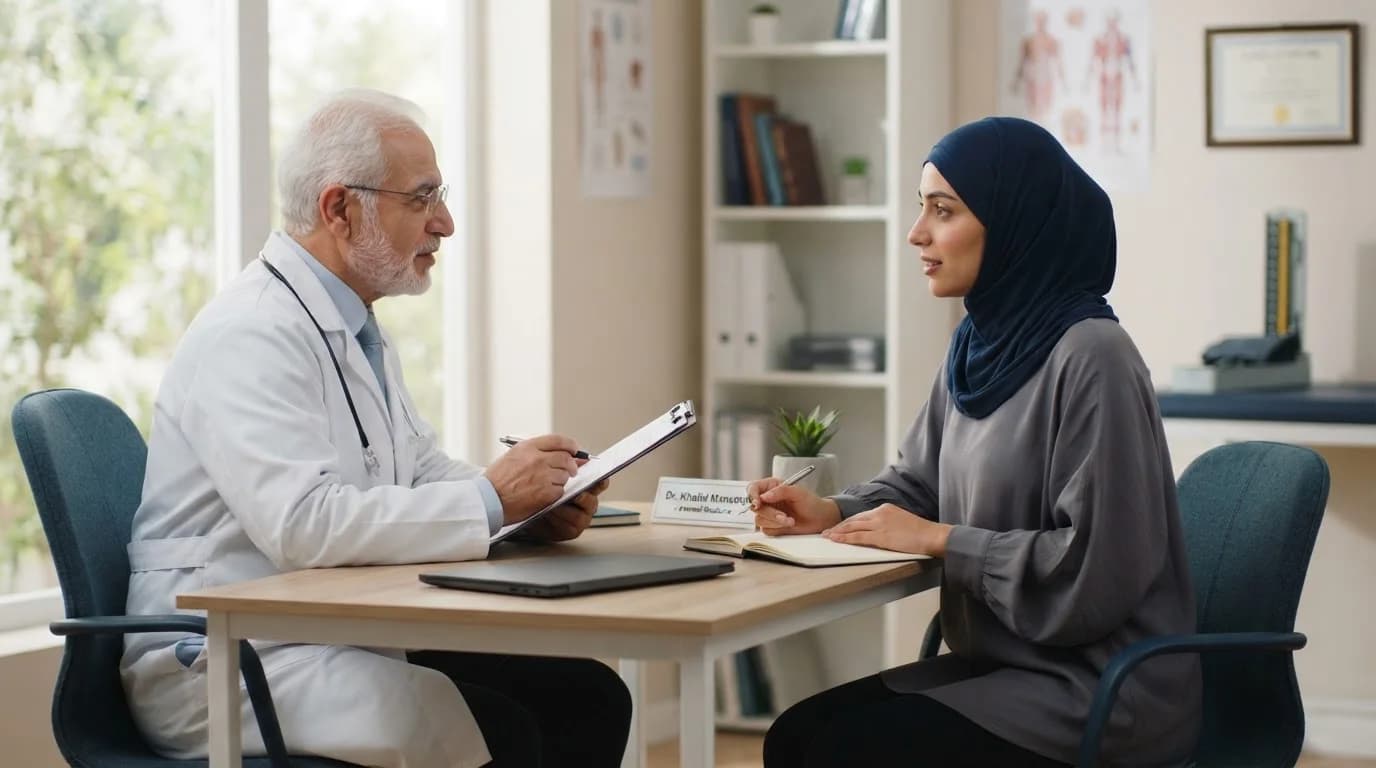
COVID-19 is a viral respiratory infection caused by novel coronaviruses. Its symptoms range from a blocked nose, cough, fever, muscle aches and loss of smell or taste, through to respiratory illness requiring oxygen and hospital admission. Treatment is not built on a single medicine given to everyone; it rests on assessing the severity of the illness, the individual's personal risk factors, and how long ago symptoms began. Most cases are managed at home with supportive care: rest, adequate fluids, fever-reducing medicine and pain relief as directed by a doctor, saline nasal rinsing, and monitoring of breathing. Groups at risk of severe disease — older adults, people with diabetes, heart, lung or kidney disease, those with weakened immunity, pregnant women, and the unvaccinated — need prompt assessment, because antiviral treatment, where it is appropriate, is started in the first days of symptoms and loses its benefit later. It is prescription-only and is given after reviewing interactions with your long-term medicines, which are real and common. **Antibiotics do not treat COVID-19 or any other virus.** One is prescribed only if a bacterial infection has been added on top and is supported by clinical examination and tests, not merely because the fever persists or the colour of phlegm has changed. Taking antibiotics unnecessarily in this infection exposes you to their harms and contributes to resistance that strips these medicines of their effectiveness for everyone, **and stopping any antibiotic you were prescribed before completing its course breeds resistant bacteria**. Home steam inhalation is not a proven treatment and can cause serious burns in children, and supplements do not treat the illness. There are limits worth stating clearly. **Medicine does not stop you passing the virus to others** — what reduces transmission is staying home, wearing a mask, ventilation and hand hygiene, especially to protect older adults and people with weakened immunity in the household. **A negative test on the first day of symptoms does not fully rule the illness out** and may need repeating if symptoms are typical. A home oxygen-saturation device is an aid, read alongside symptoms, and never a substitute for clinical examination. It is also normal for fatigue, a dry cough, or reduced sense of smell to persist for weeks after recovery, and this does not mean the virus is still active. Vaccination remains the main way to reduce severe disease, prioritised for older adults, people with chronic conditions and those with weakened immunity, and eligibility for it and for treatment is determined by clinical assessment.
Procedure steps
- 1
Assessing symptoms and risk factors
The doctor establishes exactly which day symptoms began, assesses breathing, temperature, oxygen saturation and chest sounds, and records chronic conditions, pregnancy, vaccination status and current medicines. Pinpointing the first day matters, because some treatments are only useful when started early.
- 2
Laboratory confirmation
The diagnosis is confirmed with a nose or throat swab, which may be repeated if the result is negative while symptoms are typical. Blood tests or a chest image are requested when there is breathlessness or risk factors, and no number is interpreted apart from the patient's clinical condition.
- 3
Home supportive care and isolation
The home plan is explained: rest and fluids, fever-reducing and pain-relieving medicine as directed, saline nasal rinsing, room ventilation, and a mask around household members, particularly older adults and people with weakened immunity. You are shown how to monitor your breathing and when to seek urgent help.
- 4
Antiviral assessment for eligible groups
For those at risk of severe disease, antiviral treatment is assessed on condition of early timing, and after a careful review of interactions with heart, cholesterol, anticoagulant, epilepsy and immunosuppressant medicines, along with kidney function. **It is prescription-only and must never be bought over the counter or borrowed from another patient.**
- 5
Follow-up, deterioration signs and recovery
Close follow-up is arranged for anyone with risk factors, with a clear list of deterioration signs that require urgent assessment. After recovery, lingering fatigue, cough and reduced smell are followed with breathing exercises and a gradual return to activity, and vaccination status is reviewed, prioritised for people with chronic conditions.
Before the procedure
Before the visit, identify precisely the day your symptoms began, as this changes treatment decisions. Bring a complete list of your long-term medicines and supplements, because COVID-19 antiviral medicines interact with many commonly used drugs, and state your chronic conditions, pregnancy or breastfeeding, vaccination status and the date of your last dose. Record temperature readings and oxygen saturation if you have a device, and note whether breathlessness appears at rest or only on exertion. Do not start an antibiotic on your own, and do not use an antiviral medicine without a prescription. Wear a mask on the way and at the clinic, and call ahead if you are in a high-risk group or short of breath so a fast-track route can be arranged for you.
After the procedure
Rest and drink enough fluids, and use fever-reducing and pain-relieving medicine only as your doctor directed. Keep to isolation, masking and ventilation until you improve, especially if an older adult, a pregnant woman or someone with weakened immunity lives with you. If an antiviral was prescribed, complete its course, and if an antibiotic was prescribed for a proven bacterial infection, finish it in full and do not stop when you feel better. Return to activity gradually, and do not be alarmed if fatigue, a dry cough or reduced smell persist for weeks. Go to the emergency department immediately if any of the following occurs: **breathlessness at rest or being unable to finish a sentence** · **chest pain or pressure** · **blue lips or a falling oxygen reading** · **confusion, extreme drowsiness or a seizure** · **inability to drink fluids or passing no urine** · **a high, persistent fever in a young child or a person with weakened immunity** · **fever with a stiff neck, or a rash that does not fade under pressure**.
Expected duration
The assessment visit usually takes 15 to 30 minutes and the swab result is available within hours. Most home-managed cases improve within one week to ten days, while residual fatigue and cough may continue for some weeks afterwards.
Our directory of Coronavirus treatment doctors in Jordan is growing
There are no matching published profiles in this directory yet. ClinicsJo is expanding its coverage and working to welcome more Coronavirus treatment doctors in Jordan. Check this page regularly for newly added profiles, practice details and available contact options.
Browse all doctorsBrowse Infectious Diseases profilesFinding Coronavirus treatment services in Jordan
Which doctors are listed for Coronavirus treatment in Jordan?
There are currently no doctor profiles linked to Coronavirus treatment in this directory. You can browse the related specialty or the wider doctors directory. This does not mean that the service is unavailable in Jordan.
How can I find an appointment for Coronavirus treatment?
Start with an available doctor's profile and use the contact or booking options shown there. Confirm the service, practice location and appointment time with the clinic. If this list is empty, broaden your search using the directory links on this page.
What does Coronavirus treatment cost in Jordan?
Ask the practice for the current price and what it includes. A consultation fee shown on a profile is not necessarily the price of a procedure, tests or follow-up. Confirm any additional charges and insurance arrangements before your visit.