
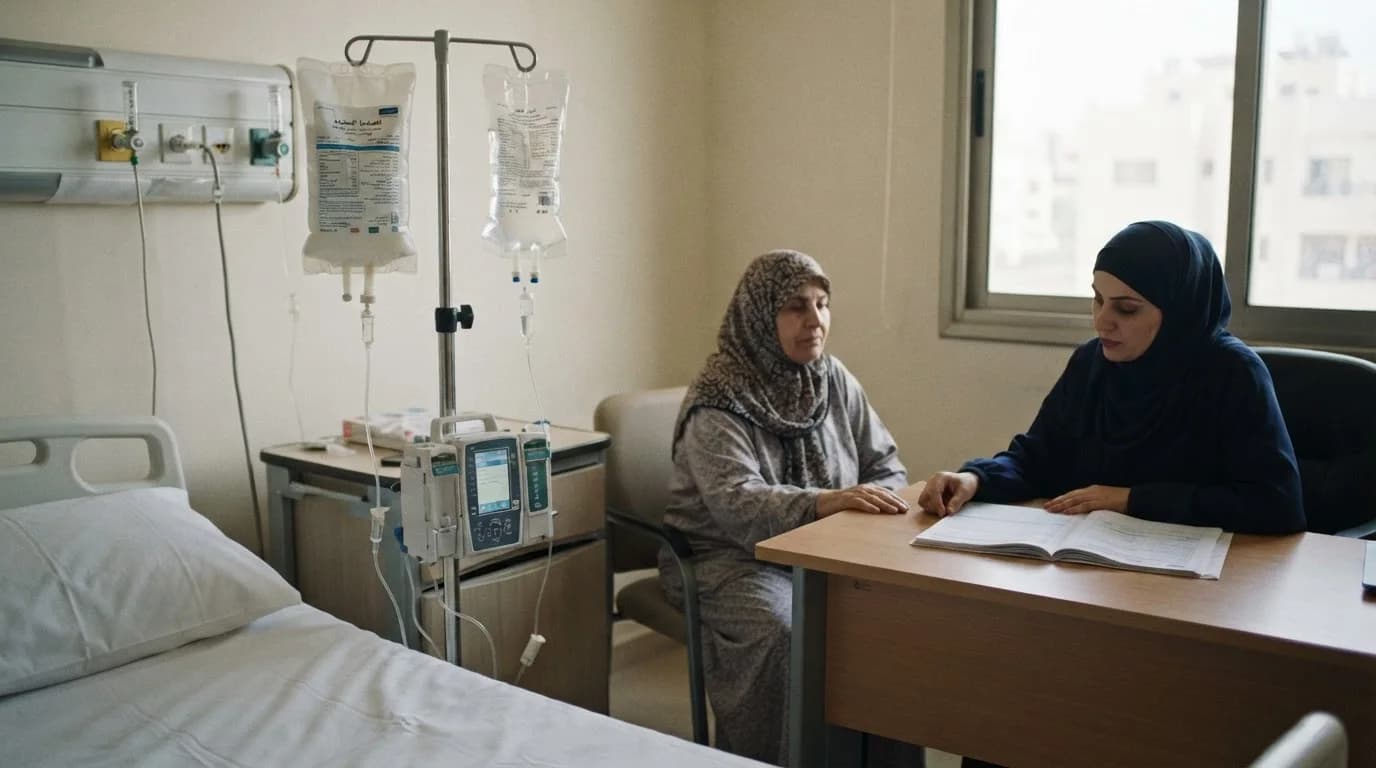
Nutrition after sleeve gastrectomy is a staged programme run by a dietitian together with the surgical team. It begins before surgery and continues for life. After a sleeve the stomach is much smaller and far less tolerant, so food advances in stages: clear fluids, then full fluids, then puréed, then soft, then regular food. Each stage lasts as long as the team specifies and none of them is skipped. The aims are to protect the staple line, to avoid vomiting and obstruction, and to secure protein, fluid and vitamins at a time when the volume a patient can manage is very small. The plan is built on this patient's details: the type and date of the operation, weight and the trajectory of loss, laboratory results from iron, vitamin B12, vitamin D and calcium to protein and thyroid function, coexisting conditions such as diabetes, hypertension and reflux, and current medicines, since some need their form or dose adjusted after surgery on the doctor's instruction. That is why no portions, calorie targets or menus appear here; this page explains how the plan is built and who builds it. Behavioural rules after a sleeve matter more than any food list: eating very slowly with thorough chewing, separating drinking from eating, giving protein priority, spreading enough fluid across the day, and avoiding fizzy drinks and concentrated sugars that trigger unpleasant rapid-emptying symptoms. **Supplements after bariatric surgery are not optional; they are lifelong treatment**, and so is follow-up testing, because deficiency of iron, B12 or vitamin D can pass silently for years and then present with permanent harm. The limits of both surgery and diet must be stated frankly. **A sleeve does not prevent weight regain** if old habits return or follow-up is abandoned, it does not treat the psychological drivers of eating, and it does not suppress appetite forever. Be wary of rushing ahead to a firmer texture than the team allowed, of severe elimination diets without supervision, of unregulated fat-burner supplements, and of slimming injections promoted without diagnosis or monitoring, which if combined with recent surgery without the team's knowledge increase vomiting and dehydration. Alcohol is also absorbed faster after a sleeve and carries greater risk. Ketogenic eating or prolonged fasting after a sleeve without the team's supervision raises the risk of dehydration and protein deficiency, and in diabetes or kidney disease it is a medical decision in the first place. Which stage applies, how quickly to progress, which supplements are needed and when tests are due are decided by clinical assessment, laboratory results and the surgical team's instructions, not by reading a page. Follow-up with a dietitian continues for years, because every life stage, pregnancy or change in health calls for the calculations to be repeated.
Procedure steps
- 1
Nutritional preparation before surgery
Before a sleeve, weight and laboratory results are assessed, proven deficiencies are corrected, and a specific regimen is usually prescribed for days or weeks beforehand to shrink the liver and make the operation safer. The patient is trained in the rules they will live by afterwards: slow chewing, separating drinking from eating, and prioritising protein. Medicines are reviewed with the team to identify which need a change of form or dose.
- 2
The fluid stage after surgery
Feeding begins with clear fluids in small, very frequent amounts as the team instructs, then widens to full fluids containing protein. The first priority is avoiding dehydration rather than losing weight, so drinking is planned as small sips spread across the day. Fizzy drinks, concentrated sugars and drinking through a straw are avoided, and the team is informed of any vomiting that prevents fluids from staying down.
- 3
Puréed then soft textures
Puréed and then soft food is introduced at the timing the team sets, with protein prioritised and small amounts eaten very slowly. One new item is tried at a time to see what is tolerated, anything that causes pain or vomiting is stopped and retried later. **Skipping stages and rushing to a firmer texture increases the risk of vomiting and obstruction and does not speed up weight loss.**
- 4
Returning to balanced regular food
Once the stages are complete a permanent pattern is built: small structured meals, protein at every meal, vegetables, fruit and whole starches as tolerated, adequate fluid between meals rather than with them, and physical activity including resistance work to preserve muscle. Common problems such as reflux, constipation and hair shedding are addressed, and eating behaviour is supported, because habits are what protect the result.
- 5
Lifelong supplements and monitoring
Supplements are prescribed by the doctor and taken for life without interruption, and blood tests are repeated on schedule so that deficiency of iron, B12, vitamin D, calcium or protein is caught early. Follow-up is frequent in the first year and at least annual thereafter, and the calculations are redone when pregnancy is planned or when repeated vomiting, weight regain or faster-than-expected loss appears.
Before the procedure
Bring your operative report with the type and date of surgery, and your most recent results: full blood count, iron and ferritin, vitamin B12, vitamin D, calcium, albumin, thyroid function and glucose. Bring a list of all medicines and supplements with doses and forms exactly as written on the packaging, and ask the team whether any medicine needs its form changed after surgery. Write down what you actually eat and drink over two days, how often you vomit or feel nauseated and what triggers it, and your daily fluid volume. Tell the dietitian about reflux, constipation, hair shedding, fatigue and dizziness, about any plans for pregnancy, and about every protein powder, supplement, slimming injection or mixture you use even if a non-doctor recommended it. Do not stop your supplements before the visit.
After the procedure
Keep each stage for as long as the team specified and do not rush to a firmer texture. Eat very slowly, chew thoroughly and stop at the first sense of fullness. Separate drinking from eating, spread fluids across the day, prioritise protein, and avoid fizzy drinks, concentrated sugars and alcohol. **Take your supplements for life and do not stop because you feel well, and repeat your blood tests on schedule.** **Seek emergency care for: persistent vomiting that prevents you keeping fluids down, severe abdominal pain, fever, a racing pulse or breathlessness, which may indicate a leak or obstruction** · **numbness or weakness in the limbs, balance or vision problems, or confusion together with repeated vomiting, which may indicate vitamin B1 deficiency and is an emergency that cannot wait** · **dizziness or fainting** · **weight falling much faster than expected, or unintentional loss later on, which signals a problem rather than success** · pallor, fatigue and palpitations suggesting anaemia · severe persistent reflux or difficulty swallowing · heavy hair shedding. If **obsession with weight, deliberate vomiting, laxative use or binge episodes appear, that is an eating disorder needing psychological and medical care, not a stricter diet**.
Expected duration
The dietary stages after a sleeve usually span four to eight weeks as the team directs: clear fluids for a few days, then full fluids, puréed, soft and finally regular food. A first dietitian visit typically takes 45 to 60 minutes, with frequent reviews during the first year and at least annual follow-up with blood tests thereafter.
Our directory of Diet for gastric sleeve patients doctors in Jordan is growing
There are no matching published profiles in this directory yet. ClinicsJo is expanding its coverage and working to welcome more Diet for gastric sleeve patients doctors in Jordan. Check this page regularly for newly added profiles, practice details and available contact options.
Browse all doctorsBrowse Clinical Dietetics profilesFinding Diet for gastric sleeve patients services in Jordan
Which doctors are listed for Diet for gastric sleeve patients in Jordan?
There are currently no doctor profiles linked to Diet for gastric sleeve patients in this directory. You can browse the related specialty or the wider doctors directory. This does not mean that the service is unavailable in Jordan.
How can I find an appointment for Diet for gastric sleeve patients?
Start with an available doctor's profile and use the contact or booking options shown there. Confirm the service, practice location and appointment time with the clinic. If this list is empty, broaden your search using the directory links on this page.
What does Diet for gastric sleeve patients cost in Jordan?
Ask the practice for the current price and what it includes. A consultation fee shown on a profile is not necessarily the price of a procedure, tests or follow-up. Confirm any additional charges and insurance arrangements before your visit.