
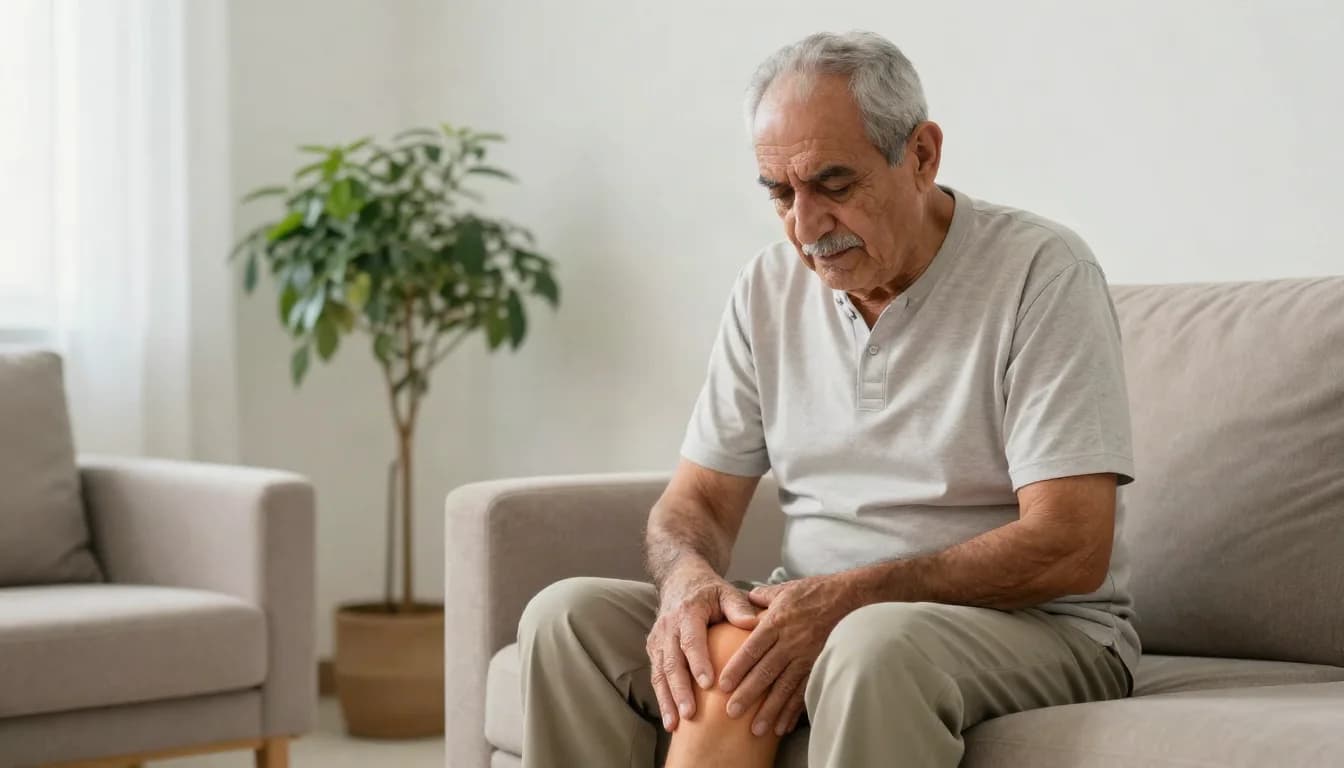
Knee noises — cracking, popping, clicking or a gritty sensation under the kneecap — are extremely common and are not a diagnosis in themselves. The first clinical question is therefore not “how do we silence the sound” but “does it come with pain, swelling, locking or a feeling of instability”. A painless noise in a knee that functions normally is usually a benign phenomenon caused by gas bubbles collapsing inside the joint fluid, or by a tendon or band gliding over a bony ridge during movement. One widespread myth needs correcting: **cracking a joint does not by itself cause osteoarthritis**. Osteoarthritis is a gradual wearing process influenced by age, body weight, mechanical load, previous injury and genetic factors — not by the popping sound. The second myth is that complete rest fixes the problem; in reality weakness of the thigh and hip muscles increases painful noises rather than relieving them. A noise accompanied by pain, swelling or locking does deserve assessment, because it may point to irritation of the patellofemoral joint, early osteoarthritis or a meniscal problem. Treatment then targets the cause rather than the sound: a graded strengthening programme for the front and back of the thigh and for the hip muscles, correction of kneecap tracking, modification of activity and load, weight reduction when relevant, and work on tightness in the surrounding muscles. The limits of care should be stated plainly: **no treatment can guarantee that a knee noise will disappear permanently**, no injection abolishes the sound, and exercise may reduce it and relieve the associated pain without promising silence. Candidacy for any imaging or procedure is decided by clinical examination, not by how loud the noise is — many patients are imaged unnecessarily for a benign click. If the noise began after an acute injury, is accompanied by locking that prevents the knee from straightening, or came with rapid swelling within hours of the trauma, prompt assessment is needed to exclude a meniscal tear, a ligament injury or a fracture.
Procedure steps
- 1
Taking a careful history
The doctor asks when the noise appears and with which movement, whether it comes with pain, swelling, locking or the knee giving way, and whether it started after an injury — these questions alone separate a benign phenomenon from a problem that needs intervention.
- 2
Clinical examination of the knee and kneecap
Kneecap tracking, muscle flexibility and the strength of the quadriceps, hamstrings and hip muscles are assessed, tender points, ligament stability and the meniscus are examined, and leg alignment, gait and squat mechanics are observed.
- 3
Imaging only when indicated
A benign noise needs no imaging. Radiographs or MRI are requested when there is persistent pain, swelling, locking, previous injury, or suspicion of osteoarthritis or a tear, because unnecessary imaging leads to anxiety and to procedures that were never needed.
- 4
A graded strengthening and rehabilitation programme
An exercise programme is built to target the thigh and hip muscles and the flexibility of surrounding tissue, alongside load management and modification of painful activities such as deep squatting and repeated stair descent, with correction of sporting technique where needed.
- 5
Reassessment and deciding the next step
Response is reviewed after a fair period of adherence: if pain improves, the programme continues as maintenance; if pain persists or locking or instability appears, the diagnosis is revisited and other options are considered according to the underlying cause.
Before the procedure
Come to the assessment visit in sports clothing or in trousers that can easily be rolled above the knee so both legs can be examined and compared. Before the appointment, note exactly when the noise appears: standing up from sitting, descending stairs, squatting, or at rest, and whether it comes with pain, swelling or locking — write it down so you do not forget. Tell the doctor about any old knee injury, previous operation or ligament tear, and about your occupation, sport and how much standing and stair climbing your day involves. Bring any previous radiographs or MRI scans with their reports. Do not start braces, compression wraps or injections on non-medical advice before the cause is known, and do not deliberately repeat the cracking to test it, as that can increase irritation.
After the procedure
Stick to the exercise programme consistently, because in this condition the result is built over weeks rather than in a single visit, and keep a simple log so you can see progress. Do not deliberately crack the knee repeatedly, and temporarily reduce activities that increase pain such as deep squatting, long periods sitting with the knee bent and repeated stair descent, while continuing light movement — complete rest weakens the muscle and worsens symptoms. Use a cold pack for short periods after activity if mild swelling appears. **See a doctor urgently if the knee locks or you cannot straighten it fully, if it swells rapidly within hours of an injury, if it suddenly gives way beneath you, or if the noise is accompanied by fever with a hot, swollen, painful joint** — the last of these requires a septic joint to be excluded immediately.
Expected duration
The assessment visit usually takes 20 to 30 minutes, and the exercise programme is typically reassessed after 6 to 12 weeks of consistent adherence.
Our directory of Knee Cracks Treatment doctors in Jordan is growing
There are no matching published profiles in this directory yet. ClinicsJo is expanding its coverage and working to welcome more Knee Cracks Treatment doctors in Jordan. Check this page regularly for newly added profiles, practice details and available contact options.
Browse all doctorsBrowse Orthopedics profilesFinding Knee Cracks Treatment services in Jordan
Which doctors are listed for Knee Cracks Treatment in Jordan?
There are currently no doctor profiles linked to Knee Cracks Treatment in this directory. You can browse the related specialty or the wider doctors directory. This does not mean that the service is unavailable in Jordan.
How can I find an appointment for Knee Cracks Treatment?
Start with an available doctor's profile and use the contact or booking options shown there. Confirm the service, practice location and appointment time with the clinic. If this list is empty, broaden your search using the directory links on this page.
What does Knee Cracks Treatment cost in Jordan?
Ask the practice for the current price and what it includes. A consultation fee shown on a profile is not necessarily the price of a procedure, tests or follow-up. Confirm any additional charges and insurance arrangements before your visit.