
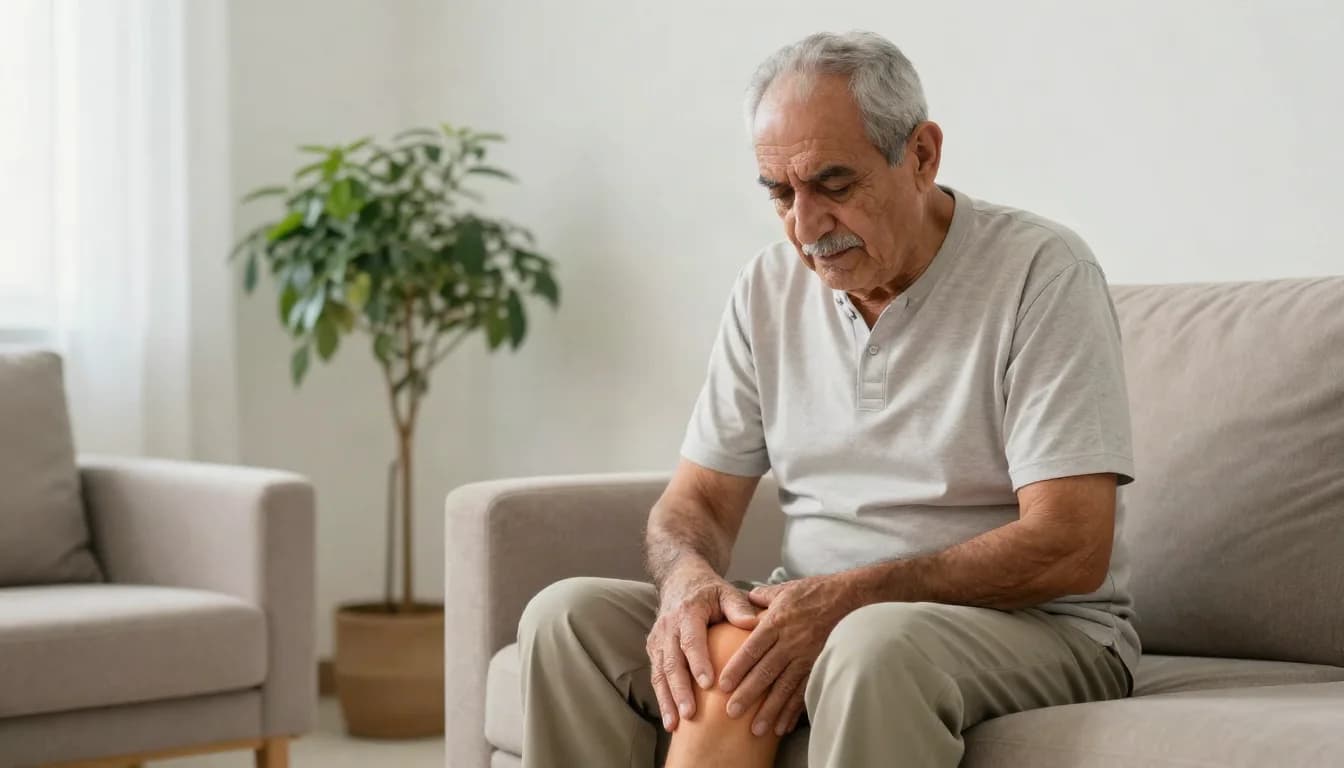
Bone infection, known medically as osteomyelitis, is a microbial infection of the bone tissue and its marrow. It is neither joint osteoarthritis nor osteoporosis — a confusion between these three is extremely common among patients and leads to dangerous delays in treatment. Infection reaches bone either through the bloodstream from a distant site, from a deep wound or an open fracture, after fixation or implant surgery, or from a chronic foot ulcer in a person with diabetes. Diagnosis does not rest on symptoms alone: clinical examination is combined with inflammatory blood tests and radiographs, and MRI is requested when needed because it reveals changes in bone and surrounding tissue at an earlier stage. The most important step, and the one patients least expect, is **obtaining a sample from the infected site for culture** so that the responsible organism is known before the antibiotic plan is fixed, because targeted treatment differs greatly from guesswork. Treatment rests on antibiotics given for a prolonged period determined by the treating physician — typically weeks to months depending on the case and the bone involved — together with control of contributing factors such as blood glucose, nutrition, blood supply to the limb and smoking cessation. Surgical debridement may be required to remove dead bone, drain a collection of pus, or revise or remove contaminated hardware. The limits of treatment must be clear: **antibiotics alone may not be enough when dead bone, a pus collection or contaminated implanted hardware is present**, and a course of tablets bought without a diagnosis is not treatment — it masks the picture and makes later cultures harder to interpret. Stopping treatment early because the pain has eased is one of the main reasons infection becomes chronic and returns months later. A note on fractures: with an open fracture, preventing infection is part of the decision, and the choice between casting and surgical fixation depends on the fracture pattern, its stability and the degree of wound contamination — not on the patient’s preference or on which option sounds easier.
Procedure steps
- 1
Clinical assessment and blood tests
Local pain, fever, swelling, redness and the state of any wound are assessed, and inflammatory blood tests, a blood count and blood cultures are requested when spread is suspected, alongside evaluation of diabetes control and the blood supply to the limb.
- 2
Radiographs and MRI
A plain radiograph is obtained first, but it can look normal in the early days of infection, so MRI is requested when needed to define how far inflammation extends in bone and surrounding tissue and whether a pus collection is present.
- 3
Taking a sample for culture before fixing the plan
A sample of bone or of the collection is taken with a needle or through a small operation and sent for culture and sensitivity testing, because identifying the organism guides the choice of antibiotic and its duration. Do not start an antibiotic yourself before this step.
- 4
Targeted medical therapy and controlling risk factors
A targeted antibiotic is prescribed for a prolonged course decided by the physician, often started intravenously and then completed orally, together with control of blood glucose, nutritional support, treatment of poor circulation, smoking cessation and regular wound care.
- 5
Surgical debridement when needed, and follow-up
If dead bone, pus or contaminated hardware is present, surgical debridement, drainage or removal of the implant may be required. Response is then followed with examination, inflammatory markers and imaging until the planned course ends — not until the pain disappears.
Before the procedure
Do not start any antibiotic on your own before assessment, because doing so distorts culture results, makes identifying the organism harder and may lengthen your treatment by months. Tell the doctor exactly what happened: whether there was a wound, a fracture, fixation surgery or a bone implant, when the pain and fever began, and whether there is a wound that will not heal or a foot ulcer. Report all your medicines and recent laboratory results, and mention diabetes, kidney disease, weakened immunity or smoking. Bring your reports, your imaging, the details of any previous operation and the names of any antibiotics you have already received if you know them. If a biopsy or surgical debridement is possible, ask about fasting and expected timing, and follow the clinic instructions to the letter.
After the procedure
Complete the full antibiotic course exactly as prescribed and never stop it because the pain has eased — stopping early is one of the commonest reasons infection returns in a chronic form that is far harder to treat. Keep every laboratory and review appointment so your response and your liver and kidney safety can be monitored, clean the wound and change dressings as you were taught, keep blood glucose well controlled, eat adequate protein and stop smoking because it impairs bone healing. Elevate and rest the limb as instructed and respect the weight-bearing limits you were given. **Seek emergency care immediately if you develop fever with shivering, if pain, swelling or redness increases, if pus or a foul smell appears from the wound, if red streaks spread from the site, if you become confused, if the limb turns cold or numb, or if a child refuses to stand on the leg or use the arm.**
Expected duration
Diagnosis usually takes from a single visit to a few days, while antibiotic treatment typically extends from weeks to months depending on the case and the physician’s decision.
Our directory of Osteitis treatment doctors in Jordan is growing
There are no matching published profiles in this directory yet. ClinicsJo is expanding its coverage and working to welcome more Osteitis treatment doctors in Jordan. Check this page regularly for newly added profiles, practice details and available contact options.
Browse all doctorsBrowse Orthopedics profilesFinding Osteitis treatment services in Jordan
Which doctors are listed for Osteitis treatment in Jordan?
There are currently no doctor profiles linked to Osteitis treatment in this directory. You can browse the related specialty or the wider doctors directory. This does not mean that the service is unavailable in Jordan.
How can I find an appointment for Osteitis treatment?
Start with an available doctor's profile and use the contact or booking options shown there. Confirm the service, practice location and appointment time with the clinic. If this list is empty, broaden your search using the directory links on this page.
What does Osteitis treatment cost in Jordan?
Ask the practice for the current price and what it includes. A consultation fee shown on a profile is not necessarily the price of a procedure, tests or follow-up. Confirm any additional charges and insurance arrangements before your visit.