
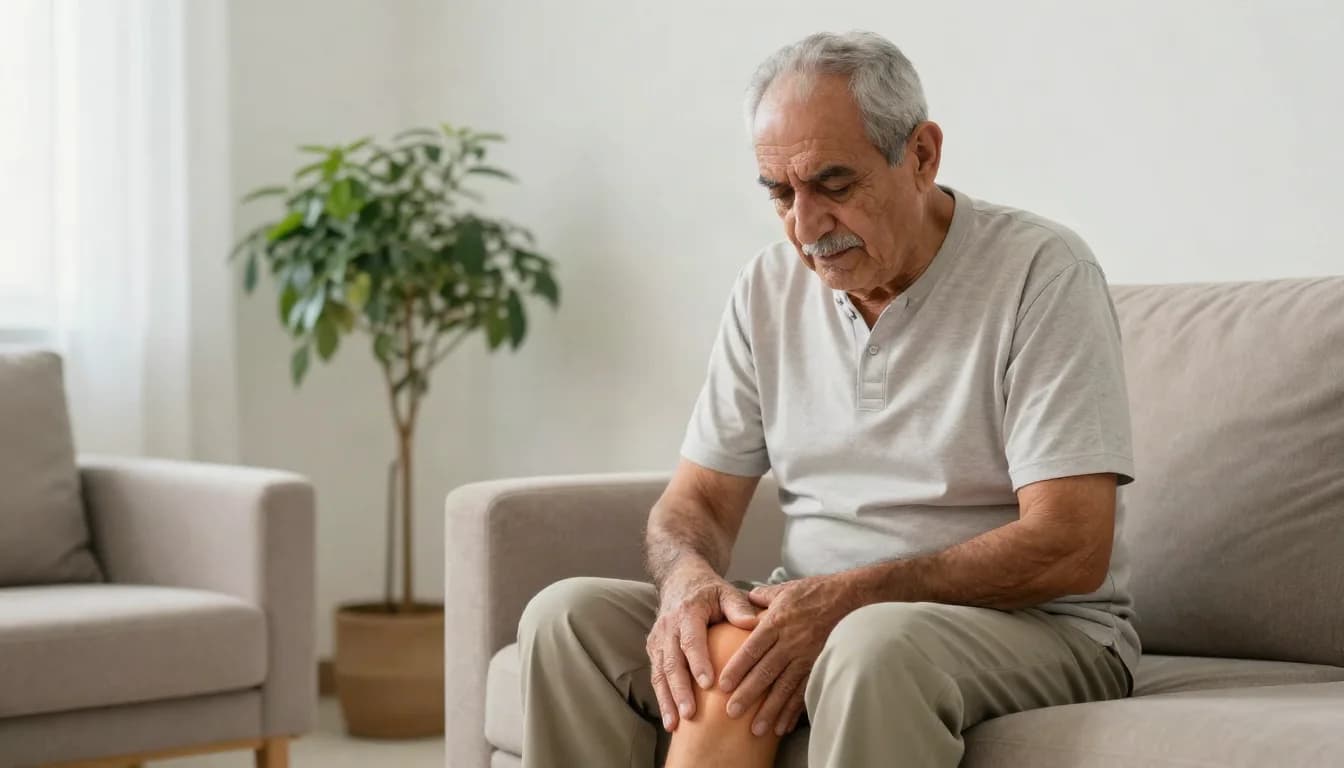
A platelet-rich plasma (PRP) injection is a procedure in which a limited amount of the patient’s own blood is drawn, spun in a centrifuge to separate a plasma fraction concentrated in platelets, and that fraction is then injected into the affected joint or around the damaged tendon. The rationale is that platelets carry growth factors that may improve the environment of inflamed tissue and support natural repair processes, and the injected material comes from the patient’s own blood rather than an external source. The option is usually raised in mild to moderate knee osteoarthritis and in some chronic tendon problems that have not improved with physiotherapy and activity modification. Study results are mixed, and preparation methods differ between centres, so platelet concentration — and with it the patient experience — varies. For that reason the procedure is offered as a possible option without promises, and candidacy is decided by clinical examination and review of imaging, not by reading an article. The limits are explicit: **PRP injections do not grow new cartilage and do not rebuild a worn joint**, they do not repair a complete tendon or ligament tear, they do not halt the progression of osteoarthritis, and they replace neither surgery in advanced disease nor a strengthening programme. They are an attempt to reduce pain and improve function in selected cases, and you are entitled to ask what the plan will be if you do not respond. The procedure is not advised when there is active infection or a blood or platelet disorder; anticoagulant medicines must be discussed beforehand, and some protocols prefer that anti-inflammatory drugs of the non-steroidal class be adjusted around the session according to the treating doctor’s instructions. Because the process includes a blood draw, tell the team if you usually feel faint when blood is taken. Two recurring myths are worth correcting here too: cracking joints does not cause osteoarthritis, and complete rest is not a treatment for pain — graded movement and strengthening of the muscles around the joint are what protect and prolong the effect of any injection.
Procedure steps
- 1
Assessment and deciding suitability
The doctor examines the joint or tendon, reviews imaging, the medical history and what has already been tried in physiotherapy and activity modification, asks about blood disorders and anticoagulant medicines, and explains that response varies and cannot be guaranteed for any patient.
- 2
Drawing the patient’s blood
A limited amount of blood is drawn from a vein in the arm using sterile technique into dedicated tubes. It is better to have had water and a light meal beforehand to reduce the chance of light-headedness during the draw.
- 3
Preparing the plasma by centrifugation
The tubes are placed in a centrifuge to separate the blood components, then the platelet-rich fraction is drawn off and prepared for injection. Protocols differ between centres, so the platelet concentration and the final preparation differ as well.
- 4
Injecting the target site
The skin is cleaned with antiseptic and the plasma is injected into the joint or around the tendon, sometimes with ultrasound guidance to place the needle accurately. Pressure or brief discomfort during the injection is expected.
- 5
Observation, rehabilitation and follow-up
The patient is observed briefly, advised to avoid strenuous effort for a few days, and given a graded exercise programme. A follow-up appointment is arranged to assess the response, and the alternative plan is discussed openly if pain has not improved after a fair interval.
Before the procedure
Tell your doctor about all your medicines, especially blood thinners, antiplatelet drugs and non-steroidal anti-inflammatories, follow the instructions given about them and never stop a medicine on your own. Mention anaemia, any platelet or blood disorder, and whether you usually feel faint when blood is taken. Drink enough water and have a light meal before the appointment — fasting is not required. Postpone the session if you have a fever, an active infection, or a wound or skin inflammation over the injection site. Wear clothing that allows the joint to be exposed and the arm to be reached for the blood draw, bring previous imaging and reports, and ask how many sessions are expected in your case and what will be done if you do not improve.
After the procedure
Expect soreness or stiffness in the joint or around the tendon during the first two days, which is common after this type of injection. Ask your doctor before using anti-inflammatory medicines or cold packs, because some protocols prefer to avoid them for several days on the grounds that a limited inflammatory reaction is part of the intended effect; your own doctor’s instruction outranks any general advice. Avoid vigorous sport and heavy lifting in the first days, begin the graded exercises exactly as prescribed, and do not resort to complete rest. **Seek emergency care immediately if you develop fever or shivering, if redness, heat and swelling in the joint increase with severe pain that prevents movement, if pus leaks from the needle site, or if new numbness or weakness appears in the limb.** Keep your follow-up appointment so the response can be judged objectively instead of repeating sessions without review.
Expected duration
The whole session usually takes 30 to 60 minutes including the blood draw, plasma preparation and injection, while the injection itself takes only a few minutes.
Our directory of PRP Joint Injection doctors in Jordan is growing
There are no matching published profiles in this directory yet. ClinicsJo is expanding its coverage and working to welcome more PRP Joint Injection doctors in Jordan. Check this page regularly for newly added profiles, practice details and available contact options.
Browse all doctorsBrowse Orthopedics profilesFinding PRP Joint Injection services in Jordan
Which doctors are listed for PRP Joint Injection in Jordan?
There are currently no doctor profiles linked to PRP Joint Injection in this directory. You can browse the related specialty or the wider doctors directory. This does not mean that the service is unavailable in Jordan.
How can I find an appointment for PRP Joint Injection?
Start with an available doctor's profile and use the contact or booking options shown there. Confirm the service, practice location and appointment time with the clinic. If this list is empty, broaden your search using the directory links on this page.
What does PRP Joint Injection cost in Jordan?
Ask the practice for the current price and what it includes. A consultation fee shown on a profile is not necessarily the price of a procedure, tests or follow-up. Confirm any additional charges and insurance arrangements before your visit.