Treating anemia starts with finding its cause, not with taking an iron tablet. Anemia is not a single disease; it is a laboratory finding meaning that hemoglobin or red cell numbers have fallen below the normal range for age and sex, and its causes call for completely different treatments: iron deficiency, vitamin B12 or folate deficiency, chronic blood loss from the digestive tract or heavy menstrual periods, chronic disease or kidney failure, inherited hemoglobin disorders such as thalassemia and sickle cell disease, destruction of red cells, or a bone marrow problem.
For this reason the first step is correct laboratory diagnosis before any treatment, rather than a trial of supplements. A complete blood count tells us anemia exists but often does not identify why. Assessment is usually completed with iron studies and iron stores, vitamin B12 and folate, a reticulocyte count, a blood film, hemoglobin electrophoresis when an inherited disorder is suspected, and kidney, thyroid and inflammatory markers. Starting iron before testing distorts the results and can delay the discovery of a serious cause such as bleeding from the colon. It may also be genuinely harmful in conditions such as thalassemia and hemolytic anemia, where iron accumulates in the liver and heart.
Once the cause is clear, treatment is built on three lines: replacing what is missing by the appropriate route (oral, or intravenous when absorption is poor, tolerance is poor, or correction is needed quickly); treating the underlying cause itself (ulcer, hemorrhoids, inflammatory bowel disease, celiac disease, uterine fibroids, or medicines that promote bleeding); and blood transfusion in severe cases or when there are cardiac or respiratory symptoms. Response is monitored with repeat laboratory tests, and success is not judged by how the patient feels alone.
It matters just as much to know what treatment does not do. Iron replacement raises the number but does not stop ongoing bleeding and does not cure an ulcer, a tumour or fibroids, and it does not help at all if iron deficiency was never the cause. A hemoglobin that improves within weeks does not mean treatment is finished, because rebuilding iron stores usually takes further months after the number normalises. Whether a given plan suits you, and for how long, is decided by clinical examination and your own test results with your doctor, not by reading a web page.
2 specialists
Procedure steps
1
Clinical assessment and history
The doctor asks about fatigue, breathlessness, palpitations and dizziness, and about visible or hidden blood loss: heavy periods, black or bloody stools, hemorrhoids, use of painkillers or blood thinners. Diet, previous stomach surgery, chronic illness and a family history of inherited anemia are reviewed, with examination for pallor and an enlarged spleen.
2
Tests that identify the cause
A complete blood count with red cell indices is requested, along with iron studies and stores, vitamin B12 and folate, a reticulocyte count and a blood film. Kidney, liver and thyroid function, hemoglobin electrophoresis if thalassemia is suspected, and hemolysis or celiac testing are added as needed. These samples should be drawn before any iron supplement is started.
3
Looking for a source of bleeding when needed
If iron deficiency has no clear dietary explanation, especially in men and in women after menopause, referral is made for upper and lower endoscopy, or for gynecological assessment when periods are heavy. This step is not a delay in treatment; it is what uncovers the real cause and prevents anemia from returning after every course of therapy.
4
A treatment plan matched to the cause
The deficiency is corrected by the suitable route: oral or intravenous iron, injected or oral vitamin B12, or folic acid, while the underlying cause is treated in parallel. In severe anemia or when cardiac symptoms are present, transfusion is given in hospital. Inherited, hemolytic and marrow-related anemias follow entirely different pathways decided by a hematologist.
5
Follow-up and replenishing stores
Tests are usually repeated after two to four weeks to confirm response, then after some months to measure stores. Iron replacement typically continues for several months after hemoglobin normalises so that stores recover. Failure to respond means the diagnosis, adherence, ongoing bleeding or malabsorption must be reconsidered, not that you should double the treatment on your own.
Before the procedure
Do not start iron or vitamin B12 supplements before your blood is drawn, because they change the results and hide the cause. Tell your doctor about every medicine, supplement and herbal product you take, especially aspirin, anti-inflammatory painkillers, anticoagulants and heartburn medicines. Mention heavy menstrual periods, any change in stool colour, and bleeding from the gums or nose, as well as any previous stomach or bowel surgery. Bring your old laboratory results and endoscopy reports if you have them, and state any family history of thalassemia, sickle cell disease or favism. Ask in advance whether any test requires fasting, and do not stop a long-term medicine on your own before the visit.
After the procedure
Take oral iron exactly as prescribed, preferably away from tea, coffee, milk and calcium supplements because they reduce absorption, and with a source of vitamin C if your doctor agrees. Expect constipation, nausea or dark stools; darkening of the stool with iron is expected, but black tarry sticky stool or visible blood is not. Do not increase the dose yourself and do not combine more than one iron-containing supplement. Complete the full course and repeat your tests on time. **Go to the emergency department immediately if you vomit blood, pass black tarry stool or red blood, develop breathlessness, chest pain or severe palpitations, faint or feel dizzy on standing, become rapidly more pale, or run a fever with severe fatigue.** Ask for an early appointment if symptoms do not improve after several weeks of treatment taken as directed.
Expected duration
The assessment visit usually takes 20 to 40 minutes, a laboratory response is typically seen after 2 to 4 weeks, and treatment usually continues for 3 to 6 months to rebuild iron stores.
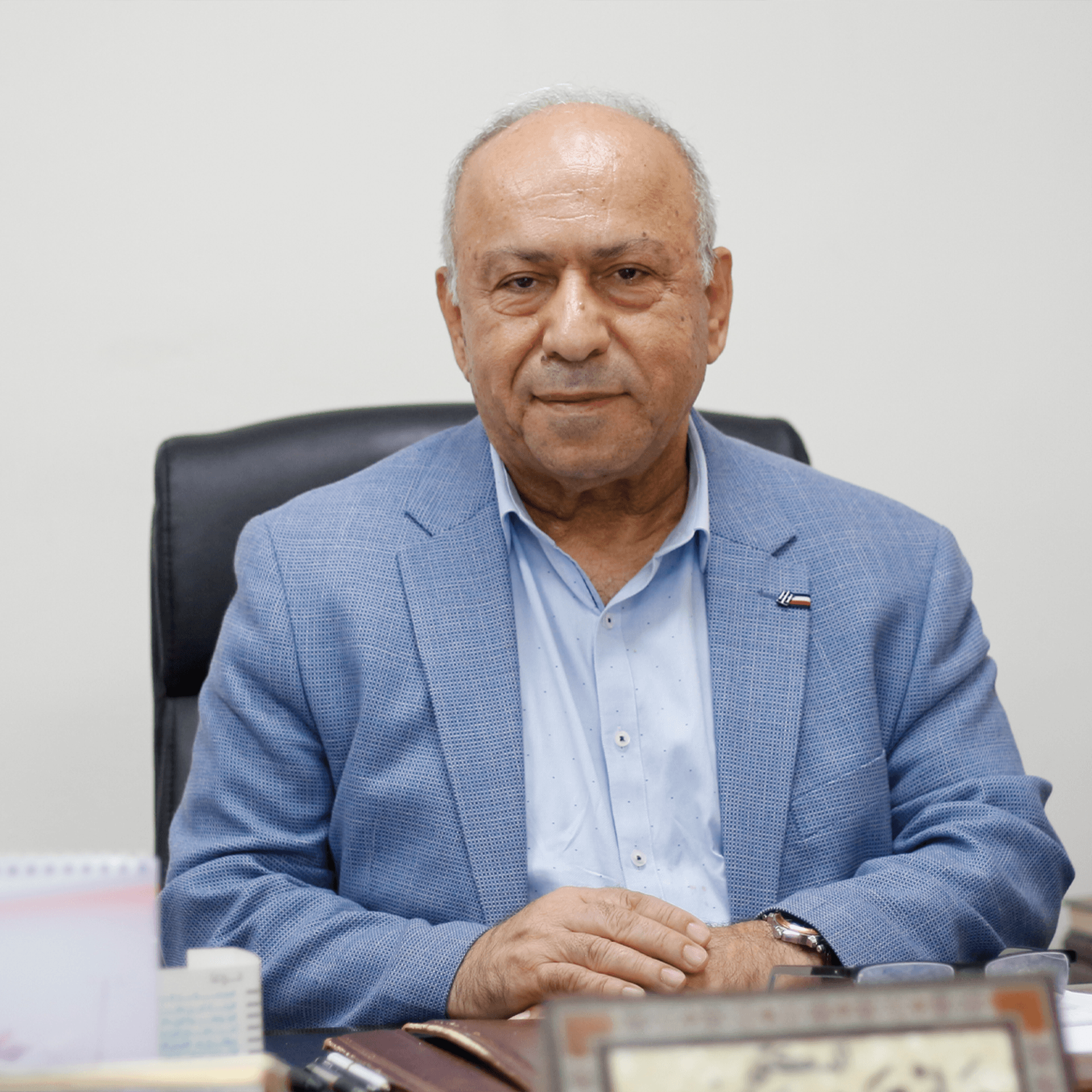
Dr. Mazen Asayreh is an internal medicine consultant in room 106 on the first floor of Ibn Al-Haytham’s outpatient clinics. He studied medicine at Aristotle Uni…
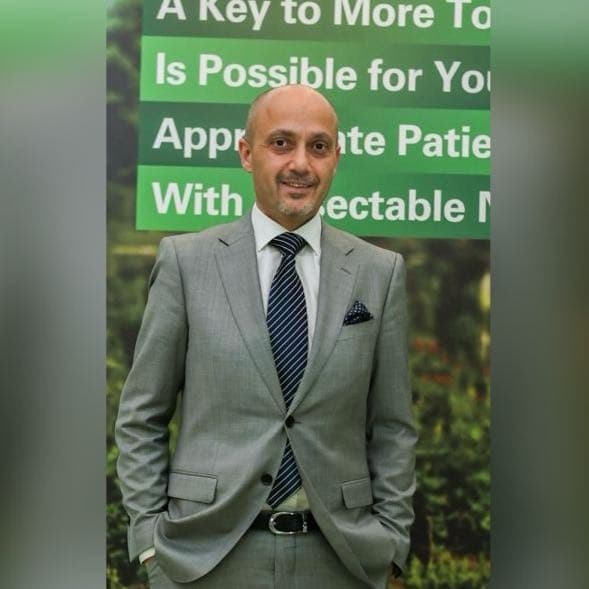
Dr. Salah Abbasi is a consultant hematologist and medical oncologist at Al Khalidi Medical Plaza. He assesses cancer and blood disorders, reviews investigations…
Which doctors are listed for Anemia Treatment in Jordan?
There are currently 2 doctor profiles linked to Anemia Treatment on ClinicsJo. Review the listed services and contact the practice to confirm availability with the doctor and branch you choose.
How can I find an appointment for Anemia Treatment?
Start with an available doctor's profile and use the contact or booking options shown there. Confirm the service, practice location and appointment time with the clinic. If this list is empty, broaden your search using the directory links on this page.
What does Anemia Treatment cost in Jordan?
Ask the practice for the current price and what it includes. A consultation fee shown on a profile is not necessarily the price of a procedure, tests or follow-up. Confirm any additional charges and insurance arrangements before your visit.