Ibn Al-Haytham Hospital Outpatient Clinics
Sign in to the platform to view the phone number
Hours not listedInsurance not specified41 views
Trusted medical platform in Jordan
If you searched for the best rheumatologists in Amman, this page lists five rheumatology doctors with profiles on ClinicsJo, with clinics in Tla' Al Ali, Jabal Amman, Khalda, Shmeisani and Abdali. They are ordered by how complete and checkable their published information is, not by clinical skill. Use the page to compare services, listed insurers, clinic locations and confirmed hours, then confirm details directly with the clinic before you book.
| # | Doctor | Area | Suits | Profile score |
|---|---|---|---|---|
| 1 | Sufian Mohammed Rifaei | Tla' Al Ali | Gout, osteoporosis or joint ultrasound needs, with broad insurer list | 47/100 |
| 2 | Ausaylah Nabil Burqan | Jabal Amman | Autoimmune disease, vasculitis, biologic monitoring or Familial Mediterranean Fever | 45/100 |
| 3 | Ala Mohammad Al Heresh | Khalda | Ongoing inflammatory arthritis follow-up and medication review in west Amman | 40/100 |
| 4 | Basel Masri | Shmeisani | Fibromyalgia, soft-tissue injections or bone-density review in Shmeisani | 28/100 |
| 5 | Suzanne Alsayed | Abdali | Consultation and follow-up at Abdali, Arab Orient Insurance members | 26/100 |
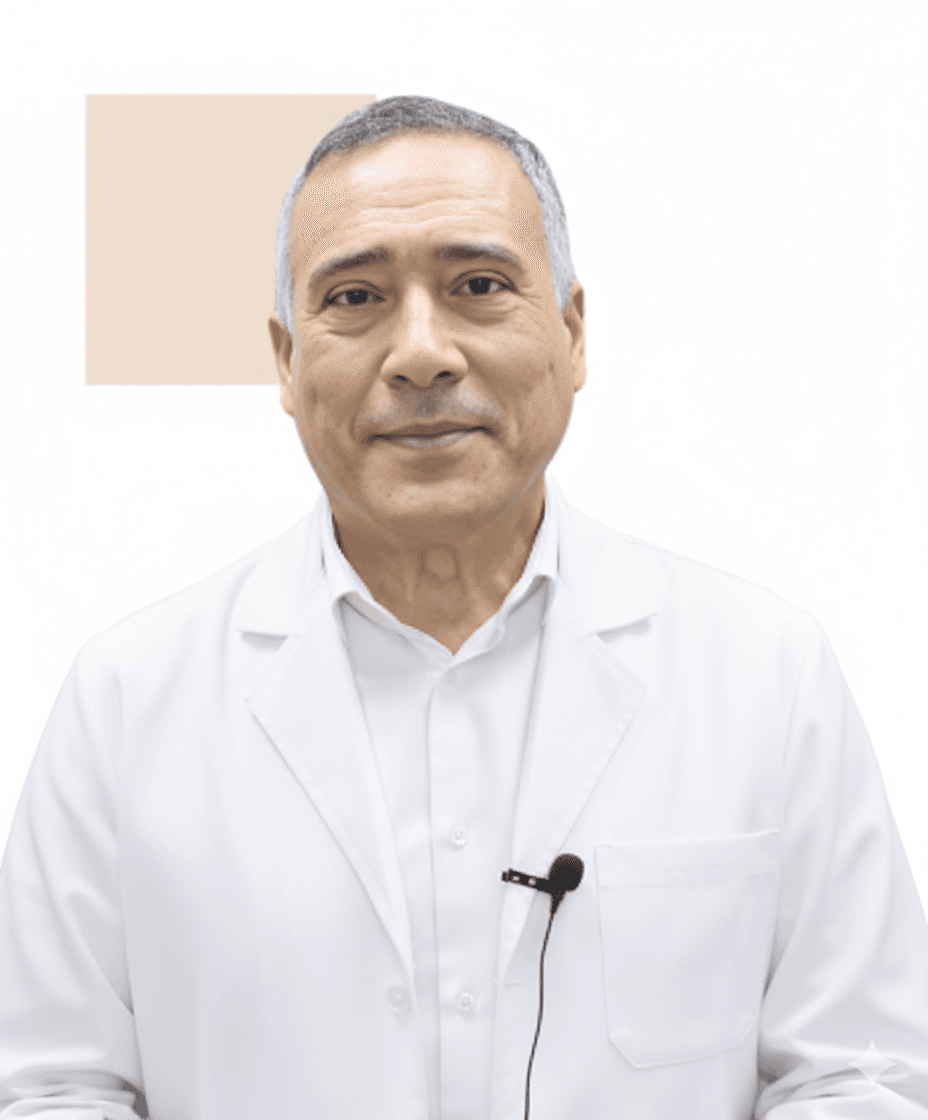
Dr. Sufian Mohammed Rifaei sees patients at Ibn Al-Haytham Hospital Outpatient Clinics in Tla' Al Ali. His biography places consultations on the third floor. His published qualifications are Membership of the Royal Colleges of Physicians (UK) and the UK Specialty Certificate Examination. Listed services cover rheumatoid arthritis follow-up, gout assessment, osteoarthritis treatment, osteoporosis diagnosis and treatment, and autoimmune rheumatic conditions. He also lists diagnostic joint aspiration, joint injections when indicated, and ultrasound of joints, tendons and muscles. He lists 12 insurers, including Bupa, GlobeMed, JOFICO, and Allianz and AXA through NatHealth. Confirmed hours are 10:00–17:00, Saturday to Thursday.
Suits: Gout, osteoporosis or joint ultrasound needs, with broad insurer list
Dr. Ausaylah Nabil Burqan consults at Al Khalidi Medical Plaza in Jabal Amman. She studied medicine at the University of Jordan and holds Jordanian internal medicine and rheumatology board credentials. She also completed a rheumatology fellowship in the United Kingdom. Her biography mentions training and clinical research at Hull Royal Infirmary and previous work in the Royal Medical Services. Her interests include autoimmune disease, vasculitis and psoriatic arthritis. Services include lupus and rheumatoid arthritis follow-up, gout and crystal disease, osteoporosis, osteoarthritis with joint injections when indicated, biologic treatment monitoring and Familial Mediterranean Fever treatment. She lists Arab Orient Insurance. Hours are 09:00–18:00 Saturday to Wednesday and 09:00–13:30 on Thursday.
Suits: Autoimmune disease, vasculitis, biologic monitoring or Familial Mediterranean Fever
Dr. Ala Mohammad Al Heresh is described as a senior consultant in internal medicine and rheumatology. He sees patients at Saudi Hospital Specialist Outpatient Clinics in Khalda. His published qualifications are Fellowship of the Royal College of Physicians, London, and a British fellowship in rheumatology. His biography also mentions heading rheumatology at King Hussein Medical City. Services focus on joint pain and stiffness, follow-up of inflammatory arthritis and autoimmune disease, rheumatology medication review, functional joint assessment, osteoarthritis treatment and chronic condition follow-up. Confirmed hours are 10:00–17:00, Saturday to Thursday. His profile advises confirming the consultation branch and his attendance when booking.
Suits: Ongoing inflammatory arthritis follow-up and medication review in west Amman
Dr. Basel Masri runs his own rheumatology clinic in Shmeisani. His listed sub-specialties are rheumatoid arthritis and autoimmune diseases. His biography states a medical degree from the University of Oran (1984) and a rheumatology qualification from Grenoble, France (1991). It also lists training in sports medicine, spinal disorders and manual medicine, immunological joint disease and medical podiatry, and practice at Jordan Hospital clinics since 1998. Services include assessment and treatment of rheumatic and autoimmune disease, joint and soft-tissue injections, musculoskeletal ultrasound, bone-density scan interpretation, and treatment of osteoarthritis and fibromyalgia. Hours are 09:30–16:00 Saturday to Wednesday and 09:30–14:00 on Thursday.
Suits: Fibromyalgia, soft-tissue injections or bone-density review in Shmeisani
Dr. Suzanne Alsayed practises rheumatology at her consultation clinic at Abdali, which her biography places at Abdali Hospital in Amman. Her published services are rheumatology consultation and follow-up with the physician. This suits patients who want an initial assessment or a regular review of an existing diagnosis. She lists Arab Orient Insurance, so members of that scheme can ask the clinic how their cover applies before visiting. Confirmed hours are 10:00–17:00, Saturday to Thursday, which includes Saturday appointments. When you book, ask the clinic which conditions she follows and whether any tests or procedures are done on site.
Suits: Consultation and follow-up at Abdali, Arab Orient Insurance members
Every matching doctor profile in this area was scored out of 100 for how complete and checkable its published information is, and the highest scores appear here in order. Featured placement does not change a profile's score, and the score does not measure treatment quality or outcomes — it tells you how much you can check before you call.
Ties are broken by the number of approved reviews, then published years of experience. Confirm the service, branch, appointment, fees and insurance coverage with the practice before visiting.
Rheumatology covers the diagnosis and treatment of diseases of the joints, muscles, bones and connective tissue, including autoimmune conditions in which the immune system attacks the body's own tissues. Common conditions include:
Many inflammatory joint conditions respond better when they are recognised early. Mainstream guidance, including the NHS, encourages people with persistent joint swelling to seek assessment rather than wait.
Your family doctor or internist can often start blood tests and X-rays and help you decide whether a rheumatology referral makes sense.
Some symptoms should not wait for a clinic appointment. Call 911 or go to an emergency department if you have:
There is no single ranking that tells you which doctor is right for you. Many people searching for the best rheumatologists in Amman really want a doctor who treats their condition, accepts their insurance and is easy to reach. Practical criteria include:
A first rheumatology appointment is usually longer than a follow-up. The doctor will take a detailed history and examine your joints, skin and sometimes muscles. They may request blood tests, such as inflammation markers and autoimmune antibodies, or imaging such as X-rays or ultrasound. A diagnosis may need more than one visit.
Do not start, stop or change a prescribed medicine without talking to your doctor. This applies especially to steroids and immune-modifying drugs.
Before you go, ask the clinic:
Also confirm the doctor's attendance on the day. One profile here specifically advises checking the consultation branch when booking.
Amman is a large city of around 5 million residents, and traffic at peak hours can add significant time to short distances. Plan around this if you have stiff or painful joints, and allow extra time to find parking or the right clinic floor.
The clinics on this page are spread across different parts of the city. Three are in districts that many residents of west Amman will know well:
The other two clinics are in more central areas, described in their profile entries. If you live in Sweifieh, the Gardens, Dabouq or the 7th Circle area, compare travel times before choosing.
For emergencies, call 911. Amman's major hospitals include Jordan University Hospital, King Hussein Medical Center, Al-Bashir Hospital, Specialty Hospital and Istishari Hospital.
This page helps you compare published profiles; it is not medical advice and does not rank clinical skill. In an emergency call 911 or go to the nearest emergency department.