

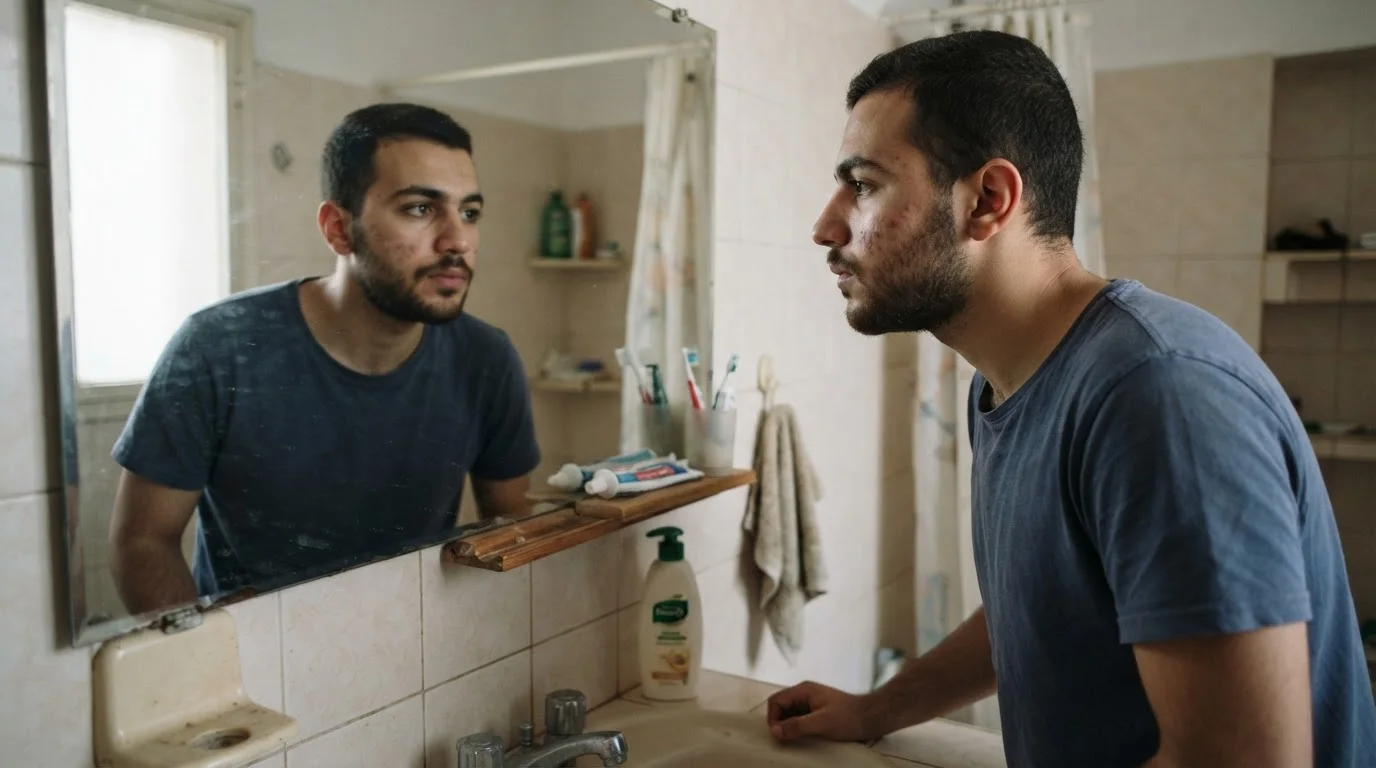
Acne is the most common skin condition worldwide, affecting 85% of teens and 50% of adults over 20. Despite being common, it has deep psychological effects and can leave permanent scars if untreated. The ClinicsJo Editorial Team explains the real causes and latest treatments.
What Is Acne?
Acne is a chronic inflammation of the skin's pilosebaceous units, caused by the interaction of four factors:
- Excess sebum production driven by hormones.
- Pore blockage by dead skin cells.
- Proliferation of Cutibacterium acnes bacteria inside blocked pores.
- Inflammation from the immune response.
Types of Acne
- Comedones: blackheads (open) or whiteheads (closed).
- Papules: small red bumps without whiteheads.
- Pustules: papules with a pus-filled center.
- Nodules: deep, painful lumps under the skin.
- Cysts: the most severe, pus-filled sacs that often leave scars.
Causes and Risk Factors
- Hormonal changes (puberty, menstruation, pregnancy).
- Polycystic ovary syndrome (PCOS).
- Genetics (if a parent had acne).
- Stress and anxiety.
- Certain medications (steroids, lithium, some birth control).
- Oily cosmetic products.
- Excess sweating without cleansing.
- Persistent friction (hats, phones, masks).
Does Diet Cause Acne?
Recent research links certain foods to increased acne:
- Whole-fat dairy: studies link it to more breakouts.
- High-glycemic-index foods and sugars: raise insulin and stimulate sebum.
- Chocolate: evidence is limited.
Foods rich in omega-3 and zinc may improve the condition.
Topical Treatments
- Benzoyl peroxide (2.5%–10%): kills bacteria.
- Salicylic acid: unclogs pores.
- Topical retinoids (Adapalene, Tretinoin): the most effective for preventing comedones.
- Topical antibiotics (Clindamycin, Erythromycin): for inflammatory acne.
- Azelaic acid: pregnancy-safe, reduces inflammation and pigmentation.
- Niacinamide: a gentle anti-inflammatory.
Oral Treatments
- Oral antibiotics (Doxycycline, Minocycline): 3–4 months for moderate cases.
- Isotretinoin (Roaccutane / Accutane): the most powerful, for severe resistant acne. Requires prescription and monitoring.
- Combined oral contraceptives: for women — regulate hormones.
- Spironolactone: for hormonal acne in adult women.
In-Office Treatments
- Deep facial cleaning (HydraFacial).
- Chemical peels (glycolic, salicylic).
- Laser and light (PDL, IPL, blue light).
- Cortisone cyst injections.
- Microneedling for scarring.
Medical tip: Never squeeze pimples — squeezing causes deeper inflammation, spreads bacteria, and produces permanent scars. Leave it to medical treatment.
Common Mistakes in Acne Care
- Washing the face too often (dries skin and triggers more sebum).
- Using harsh cleansers.
- Stopping treatment as soon as it improves.
- Trying folk remedies (toothpaste, lemon, baking soda).
- Skipping sunscreen (darkens scars).
- Over-exfoliating.
- Not checking that cleansers and makeup are "non-comedogenic."
Daily Skincare Routine for Acne-Prone Skin
- A gentle sulfate-free cleanser twice daily.
- An alcohol-free toner.
- A topical treatment (Adapalene at night).
- A light, oil-free moisturizer.
- SPF 30+ non-comedogenic sunscreen.
- Avoid touching the face with hands.
- Change pillowcases every 3 days.
When to See a Dermatologist
- Acne unresponsive to topical treatment after 3 months.
- Cystic or painful deep acne.
- Appearance of scars.
- Severe psychological impact.
- Heavy back and chest acne.
- Acne in adults over 25.
For a personalized treatment plan, book an appointment with a dermatologist on ClinicsJo.