

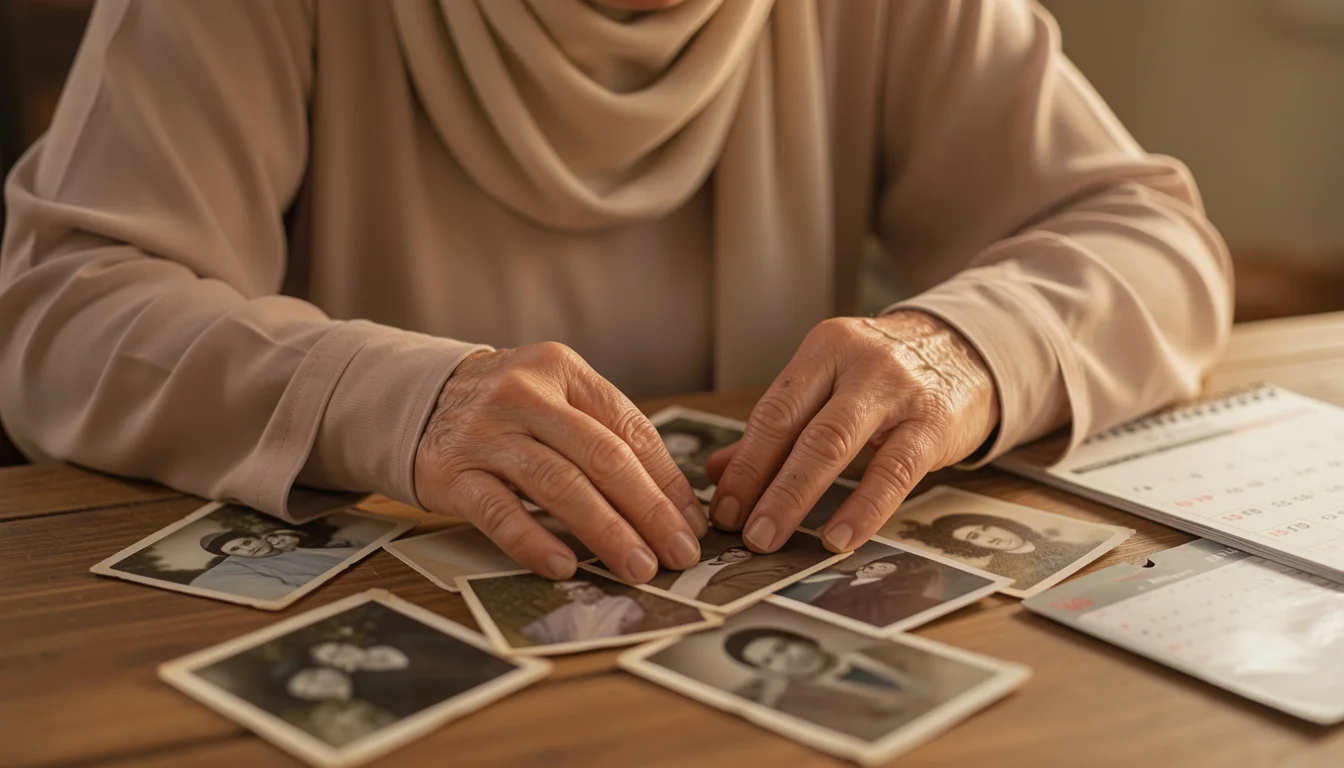
As life expectancy rises in our era, Alzheimer and dementia have become major health challenges facing families, affecting not only the patient but everyone around them. The difference between normal age-related forgetfulness and the onset of dementia can be subtle but very important for early detection. The ClinicsJo Editorial Team offers this guide to help you understand the disease, recognize its signs, and support a loved one.
Occasionally forgetting names or appointments and recalling them later is a normal part of life; dementia is a gradual decline that impairs daily tasks and independence.
Dementia vs. Alzheimer
Dementia is a general term for a group of symptoms — decline in memory, thinking, language, and daily function — severe enough to impair life. It has many causes. Alzheimer is the most common cause (about two-thirds of cases), a brain disease that gradually kills nerve cells with abnormal protein buildup. Other types include vascular dementia and Lewy body dementia.
Early Signs of Alzheimer
- Forgetting recently learned information and repeating questions.
- Difficulty planning, problem-solving, and managing finances.
- Confusion about time and place and getting lost in familiar areas.
- Trouble finding the right words or following conversation.
- Placing items in illogical places and accusing others of taking them.
- Poor judgment and decision-making.
- Changes in mood, personality, and social withdrawal.
Stages of the Disease
Alzheimer progresses through stages: early (mild forgetfulness with independence), moderate (clearer memory and task difficulties needing help), and advanced (full dependence and difficulty recognizing loved ones). Knowing the stage helps the family plan care.
Risk Factors
- Age (the biggest factor).
- Family history and genetics.
- Heart disease, blood pressure, diabetes, and cholesterol.
- Smoking, obesity, and low mental and physical activity.
- Repeated head injuries, social isolation, and untreated hearing loss.
How Is It Diagnosed?
- Medical history from patient and family.
- Standard memory and cognition tests.
- MRI to assess the brain and exclude other causes.
- Blood tests to rule out treatable causes like B12 deficiency or low thyroid.
Treatment and Slowing the Disease
- Medications that improve cognitive symptoms and delay decline in some stages.
- Mental, social, and physical stimulation.
- Controlling risk factors (blood pressure, diabetes, cholesterol).
- Behavioral and psychological support for agitation, depression, and sleep.
Medical tip: "what is good for the heart is good for the brain." Controlling blood pressure and diabetes, staying active, sleeping well, socializing, and treating hearing loss all reduce dementia risk; the best time to prevent is midlife.
Supporting the Caregiver
- Keep a consistent routine and a safe, simple environment.
- Communicate calmly with short sentences and patience.
- Use visual reminders and routines for meals and medication.
- Ask family and specialists for help — do not carry the burden alone.
- Care for your own mental and physical health.
When to See a Doctor
See a neurologist if you notice noticeable memory decline affecting daily life, or changes in personality and behavior. Early diagnosis allows better treatment and future planning.
Frequently Asked Questions
Does all forgetfulness mean Alzheimer?
No, mild forgetfulness is common; concern arises when daily tasks and independence are affected.
Can Alzheimer be prevented?
There is no guaranteed prevention, but a healthy lifestyle and controlling heart disease clearly reduce risk.
Is Alzheimer hereditary?
Genetics is a risk factor but not destiny; most cases are multifactorial.
Does memory training help?
Mental stimulation supports brain health and may build cognitive reserve that delays symptoms.
To assess memory and obtain an early diagnosis, book with a neurologist on ClinicsJo.