

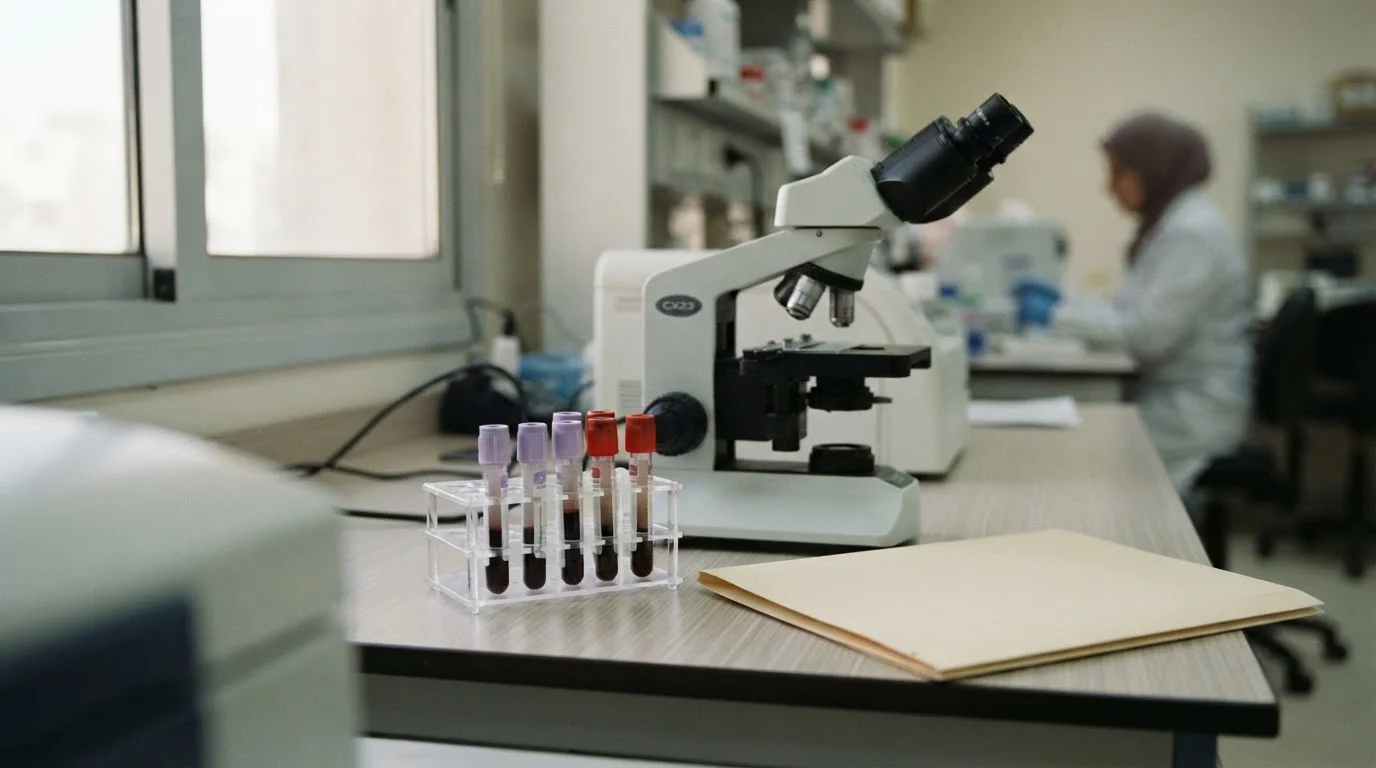
Anemia is one of the most common health problems worldwide, affecting women and children in particular. Although many live with fatigue and pallor for years without knowing the cause, anemia is often easily treatable once its true cause is identified. It is important not just to take iron tablets but to find the underlying cause. The ClinicsJo Editorial Team offers this complete guide.
What Is Anemia?
Anemia is a shortage of red blood cells or of hemoglobin, the protein that carries oxygen from the lungs to the body's tissues. When hemoglobin drops, cells receive too little oxygen, causing fatigue, breathlessness, and pallor, and the heart works harder to compensate.
Types and Causes
- Iron-deficiency anemia: the most common, from low dietary iron, blood loss (heavy periods, GI bleeding), or poor absorption.
- Vitamin B12 and folic acid deficiency.
- Chronic diseases such as kidney failure and chronic inflammation.
- Inherited anemias such as thalassemia and sickle cell, common in our region.
- Bone marrow diseases.
Symptoms
- Persistent tiredness and low energy.
- Pale skin, lips, and inner eyelids.
- Breathlessness and palpitations on exertion.
- Dizziness, headache, and poor concentration.
- Cold hands and feet.
- Hair loss and brittle nails.
- Craving non-food items (ice, clay) in iron deficiency.
Anemia in Women and Children
Women are more prone to iron deficiency due to periods, pregnancy, and breastfeeding. Children in rapid growth are also at risk, and anemia can affect their growth, focus, and school performance.
How Is It Diagnosed?
- Complete blood count (CBC): shows hemoglobin, cell size, and anemia type.
- Ferritin and serum iron.
- Vitamin B12 and folic acid.
- Further tests to find the source of blood loss when needed.
Treatment
- Iron supplements: tablets, syrup, or IV in severe cases, plus treating any bleeding source.
- Vitamin B12 and folic acid when deficient.
- Nutrition: red meat, liver, legumes, spinach, with vitamin C to boost iron absorption.
- Treating the underlying chronic disease.
- Blood transfusion in severe cases only.
Tips to Improve Iron Absorption
- Take a vitamin C source with the iron meal.
- Avoid tea and coffee right after meals.
- Do not take calcium and iron at the same time.
Medical tip: do not take iron tablets randomly for long without diagnosis; excess iron is harmful, and anemia may hide an important cause such as GI bleeding, especially in men and older adults.
When to See a Doctor
See a doctor for persistent fatigue, pallor, breathlessness, and palpitations, especially with heavy periods or a poor diet. In men and older adults, anemia warrants a search for a bleeding source.
Frequently Asked Questions
How long does iron-deficiency treatment take?
Improvement begins within weeks, but restoring iron stores usually takes 3–6 months.
Is anemia dangerous?
Mild cases are easily treated, but severe anemia strains the heart and inherited forms need specialist follow-up.
Does anemia cause hair loss?
Yes, iron deficiency is a common cause of hair loss in women and often improves after replenishing stores.
To diagnose the cause of your anemia and treat it, book with an internist on ClinicsJo.