










Compare cardiologist profiles and practice locations in Amman. Prepare questions about assessment, ongoing care, consultation fees, insurance and availability.
Doctor and clinic directories in Amman
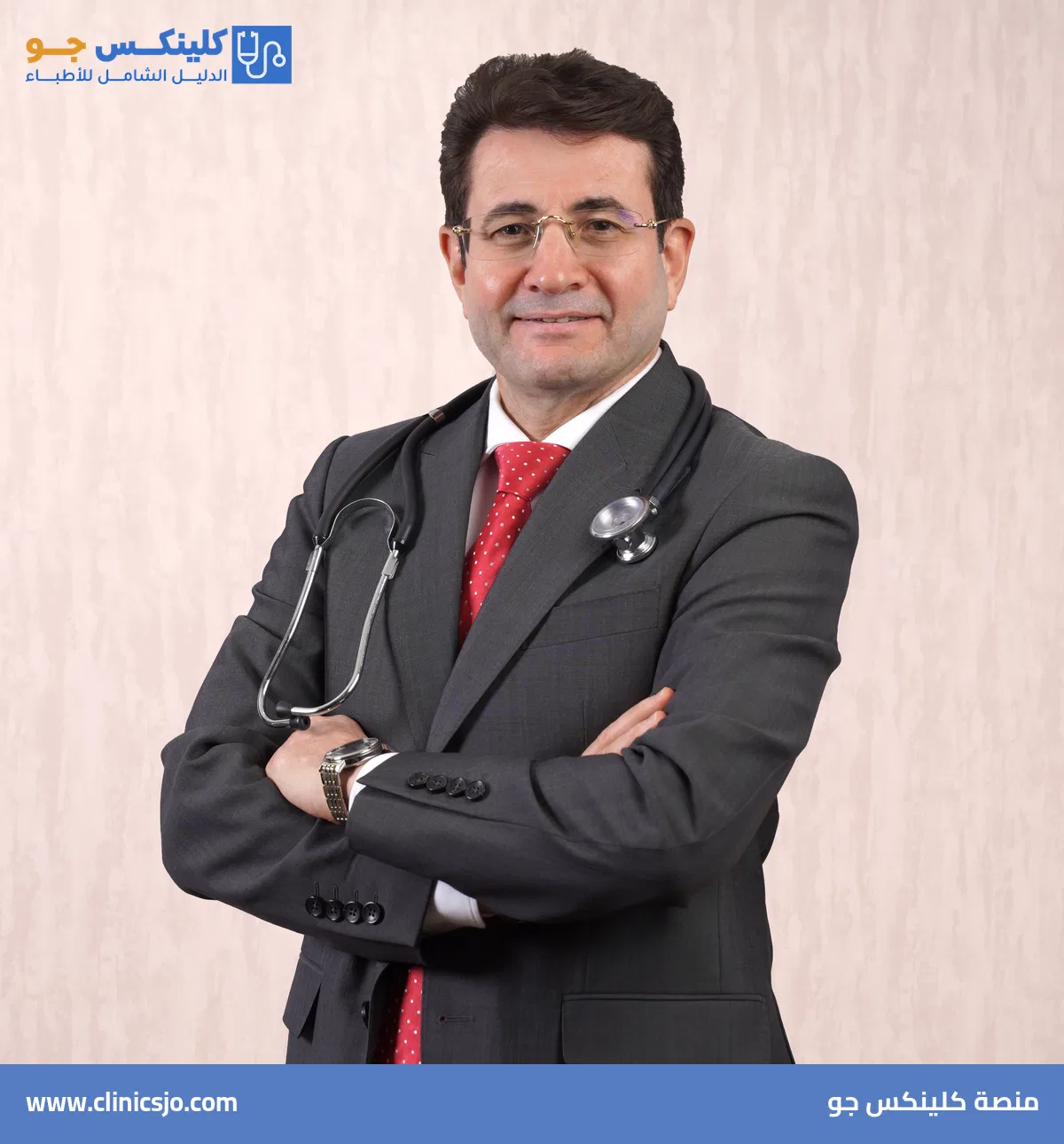
Doctor profiles to compare


Clinic profiles to compare


First things first: symptoms that mean go to the ER now
Some situations should never wait for a clinic appointment. Call an ambulance (911) or head to the nearest emergency department immediately if you experience:
- Pressing or squeezing chest pain lasting more than a few minutes, especially if it radiates to the left arm, jaw, or back, or comes with cold sweat and nausea.
- Sudden unexplained shortness of breath, at rest or with minimal effort.
- Fainting or near-fainting, particularly during exertion or after palpitations.
- Severe palpitations — a racing or irregular heartbeat with dizziness, chest pain, or breathlessness.
In a heart attack, every minute of delay costs heart muscle. Do not drive yourself if you can avoid it. Clinics are for intermittent or chronic symptoms — effort-related pain that eases with rest, occasional palpitations, unexplained fatigue — and for routine screening.
How to choose a cardiologist in Amman: 5 practical criteria
Use published profiles to compare the specialty, practice location and available information. A female-doctor filter is also available, and you can message clinics directly on WhatsApp before booking.
When should routine heart check-ups start?
As a general textbook rule, routine cardiovascular screening (blood pressure, sugar, lipids, clinical review) starts at age 40 — earlier if you carry risk factors. These are general guidelines; your doctor sets your actual schedule:
| Risk factor | When to start routine screening (general guidance) |
|---|---|
| No clear risk factors | From age 40 |
| High blood pressure or diabetes | From diagnosis, at any age |
| Smoking | From around age 35 |
| Family history of early heart disease | From age 30-35, or about 10 years before your relative's age at diagnosis |
| High cholesterol | When discovered, then periodically |
Interventional cardiology vs cardiac surgery
A general cardiologist is your starting point: diagnosis, ECG, echo, stress testing, and medical management. An interventional cardiologist treats through catheterization — imaging the coronary arteries, ballooning, and stenting — without open surgery. A cardiac surgeon performs open-heart operations such as bypass grafting and valve repair or replacement. You almost always start with a general cardiologist, who decides whether you need a catheter procedure, surgery, or medication alone.
What to bring to your appointment
Bring all your current medications (or photos of the boxes) including supplements, any previous ECGs, echos, lab results, and hospital reports, home blood-pressure readings if you take them, your family history, and a written list of symptoms and questions. You can ask the clinic about preparation — such as fasting for lipid tests — via WhatsApp through the platform.
FAQ
Who is the best cardiologist in Amman?
No single answer fits everyone, and we never crown one name. Use published profiles to compare the specialty, practice location and available information.
How much does a cardiology consultation cost in Jordan?
Confirm the consultation fee and any separate assessment, treatment or follow-up charges with the practice. Review insurance coverage directly with the clinic and your insurer before booking.
Can I find a female cardiologist?
Yes — use the female-doctor filter, available across all specialties and all 12 governorates of Jordan.
Start now: browse cardiologists on ClinicsJo, compare verified reviews and published fees, and book for free — you pay at the clinic. This guide is for general information and does not replace a doctor's consultation.