







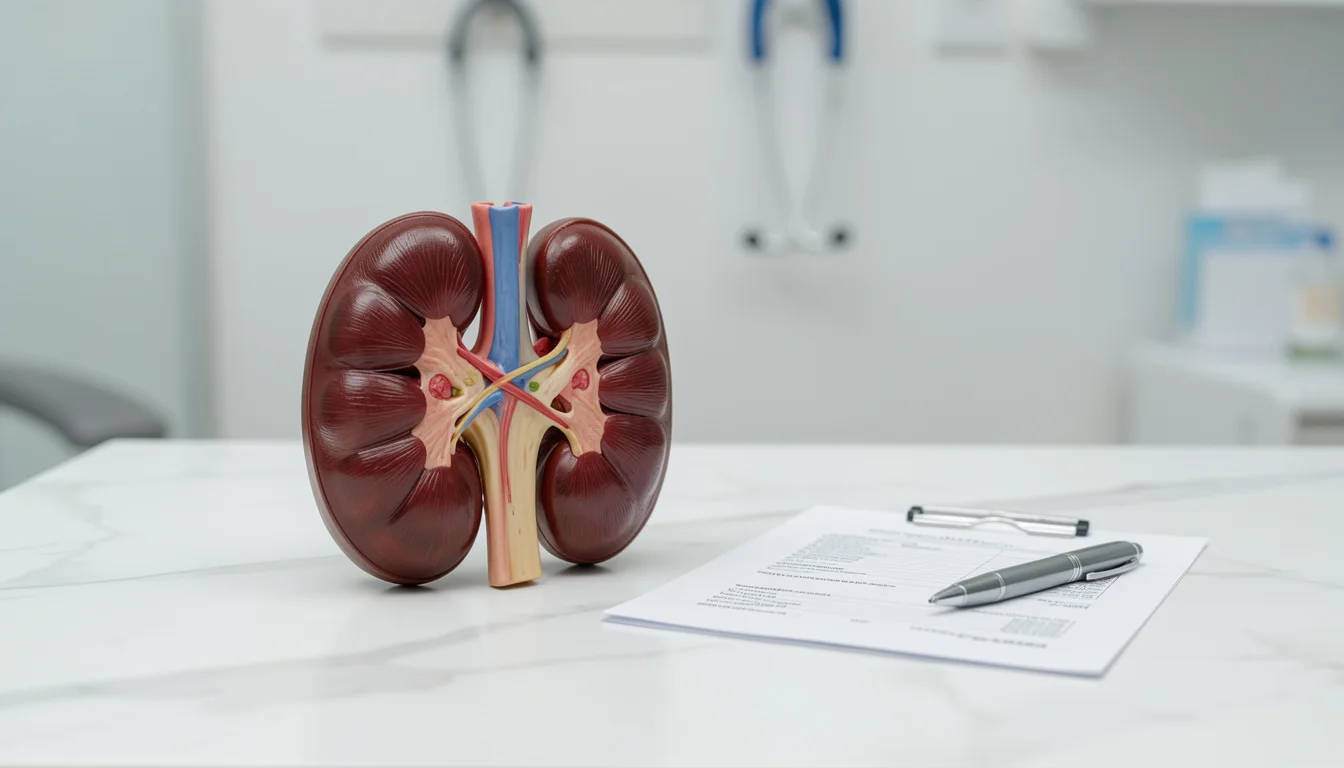






Compare nephrology and urology in Amman. Browse each specialty’s doctor and clinic profiles, and ask about assessment, fees and follow-up.
Doctor and clinic directories in Amman
Doctor profiles to compare



Clinic profiles to compare



Nephrologist vs. urologist: know the difference first
A nephrologist manages the kidney itself as an organ: chronic kidney disease, rising creatinine, albumin (protein) in the urine, electrolyte disorders, dialysis, and the kidney effects of diabetes and high blood pressure. Treatment is medical — medication and lab monitoring, not surgery. A urologist is a surgeon of the urinary tract: kidney and ureteric stones, prostate enlargement, urinary tumors, incontinence, complicated recurrent infections, and male fertility problems. Some cases need both: a neglected stone that has begun to affect kidney function is treated by the urologist, who removes the obstruction, while the nephrologist follows the recovery of function afterwards.
How to choose the right doctor in Amman
Instead of relying on word of mouth alone, use criteria you can verify:
- Verified reviews: on ClinicsJo, only patients who actually booked and attended can rate a doctor, and list rankings update automatically with each new verified review.
- Experience and sub-focus: stones, prostate, or chronic kidney disease — each doctor's profile shows the details, so match the doctor to your specific problem.
- Listed fees: consultations in Jordan typically run 15-50 JOD; booking is free and you pay at the clinic.
- Location and insurance: filter by area within Amman and by your insurer, and use the female-doctor filter if you prefer a woman physician.
- WhatsApp contact: confirm details directly with the clinic before your visit.
Start by browsing doctors in Jordan and compare profiles in minutes.
Kidney stones: clinic appointment or emergency room?
Classic stone pain is a severe, wave-like flank pain radiating toward the lower abdomen, often with nausea. Small stones (roughly under 5-6 mm) usually pass on their own with fluids and pain relief, under a urologist's supervision at a routine appointment. Go to the emergency room immediately if the pain is unbearable and does not respond to painkillers, if you develop fever or chills with flank pain (a possible infection behind an obstruction — a medical emergency), if there is visible blood in the urine or you can barely pass urine, if persistent vomiting prevents you from keeping fluids down, or if you have a single kidney or are pregnant.
Recurrent UTIs and routine kidney checks
A urinary tract infection counts as "recurrent" at 2 episodes within 6 months or 3 within a year — that deserves a full specialist evaluation (urine culture, sometimes imaging), not just another antibiotic course. Any UTI in a man, blood in the urine, or infection with fever and flank pain also warrants specialist review. Separately, if you live with diabetes or hypertension, general guidelines recommend kidney screening at least once a year: blood creatinine with eGFR and a urine albumin (ACR) test. Chronic kidney disease is silent in its early stages, and catching decline early means it can often be slowed with medication and lifestyle changes before it advances.
Read the available patient feedback, its date and the details relevant to your needs. Consider it alongside professional information and the consultation; a review alone does not establish clinical quality.