

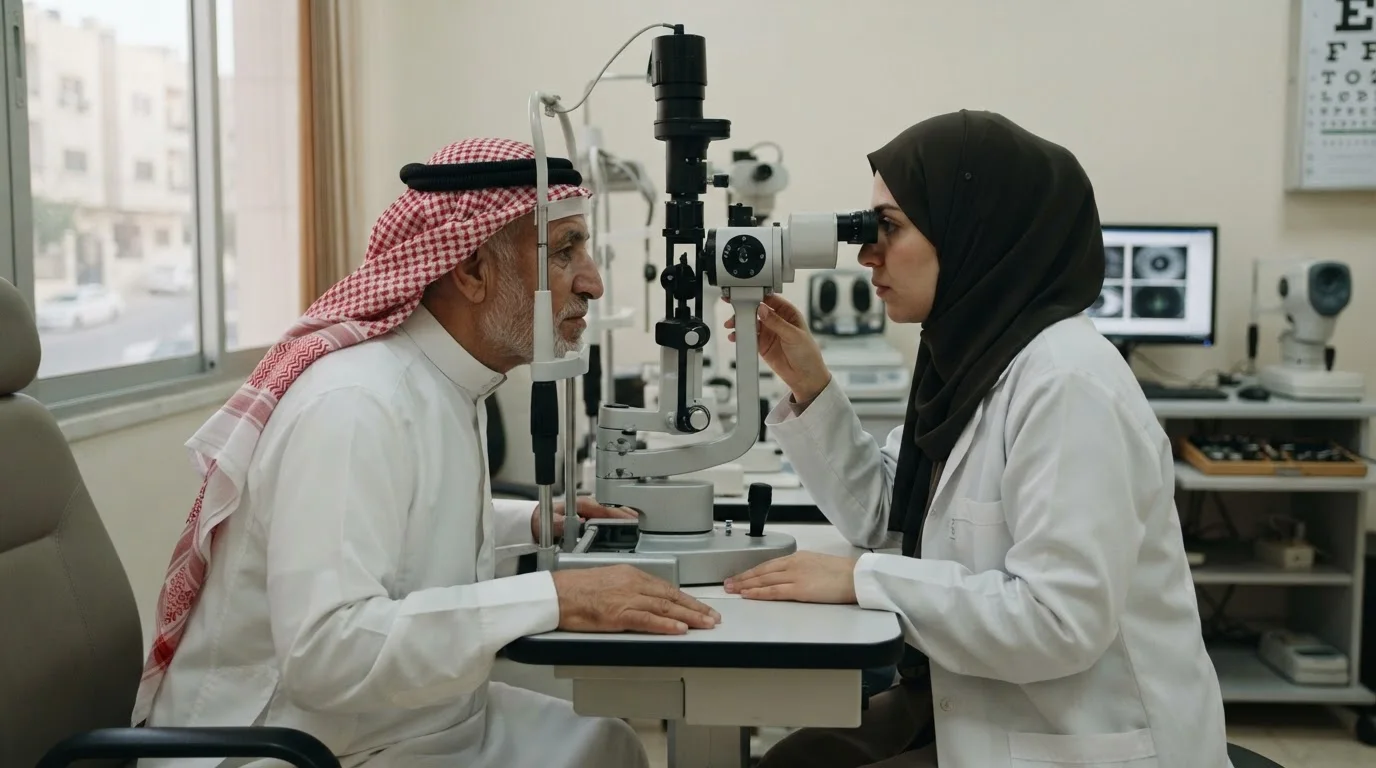
Cataract is one of the most common causes of vision loss with age, and at the same time one of the most successfully treatable diseases. Modern cataract surgery safely restores sight in minutes. The ClinicsJo Editorial Team offers this guide to understanding and treating it.
What Is a Cataract?
The natural eye lens is clear, letting light pass and focus on the retina. In cataract this lens gradually clouds, so light becomes less clear and vision looks blurry, like looking through a foggy glass. It is usually age-related but has other causes.
Causes and Risk Factors
- Aging (the most common cause).
- Diabetes.
- Prolonged UV sun exposure.
- Smoking and alcohol.
- Eye injuries and prolonged steroid use.
- Congenital cataract in some children.
Symptoms
- Blurred, gradually declining vision.
- Poor night vision and difficulty driving at night.
- Light sensitivity and halos around lights.
- Faded, yellowed colors.
- Frequent changes in glasses prescription.
How Is It Diagnosed?
An ophthalmologist diagnoses cataract through a comprehensive eye exam including visual acuity, microscopic lens examination, and assessment of the rest of the eye to confirm the cataract is the cause of reduced vision.
Treatment
- Cataract surgery (phaco): a modern, safe procedure removing the clouded lens through a tiny incision and implanting a clear artificial lens.
- The operation is quick (minutes), usually under local anesthesia, and the patient goes home the same day.
- Lens types: monofocal and multifocal lenses can correct vision and reduce dependence on glasses.
Cataract surgery has a very high success rate and greatly improves vision and quality of life.
Medical tip: do not wait until the cataract is fully "ripe" as was once believed. Surgery can be done when vision loss starts affecting daily life; long waiting can make the operation harder.
Prevention and Slowing Progression
- Protect your eyes from the sun with UV sunglasses.
- Quit smoking.
- Control diabetes.
- Have regular eye exams after 40.
When to See a Doctor
See an ophthalmologist for gradually declining vision clarity, difficulty driving at night, or frequent glasses changes. The exam determines if cataract is the cause and the right time for surgery.
Frequently Asked Questions
Does cataract return after surgery?
The implanted lens does not develop a cataract, but a "secondary clouding" of the membrane behind it can occur and is easily treated with laser in minutes.
Is cataract surgery painful?
No, it is done under local anesthesia without pain, and recovery is usually quick.
To assess your vision and discuss treatment options, book with an ophthalmologist on ClinicsJo.
