

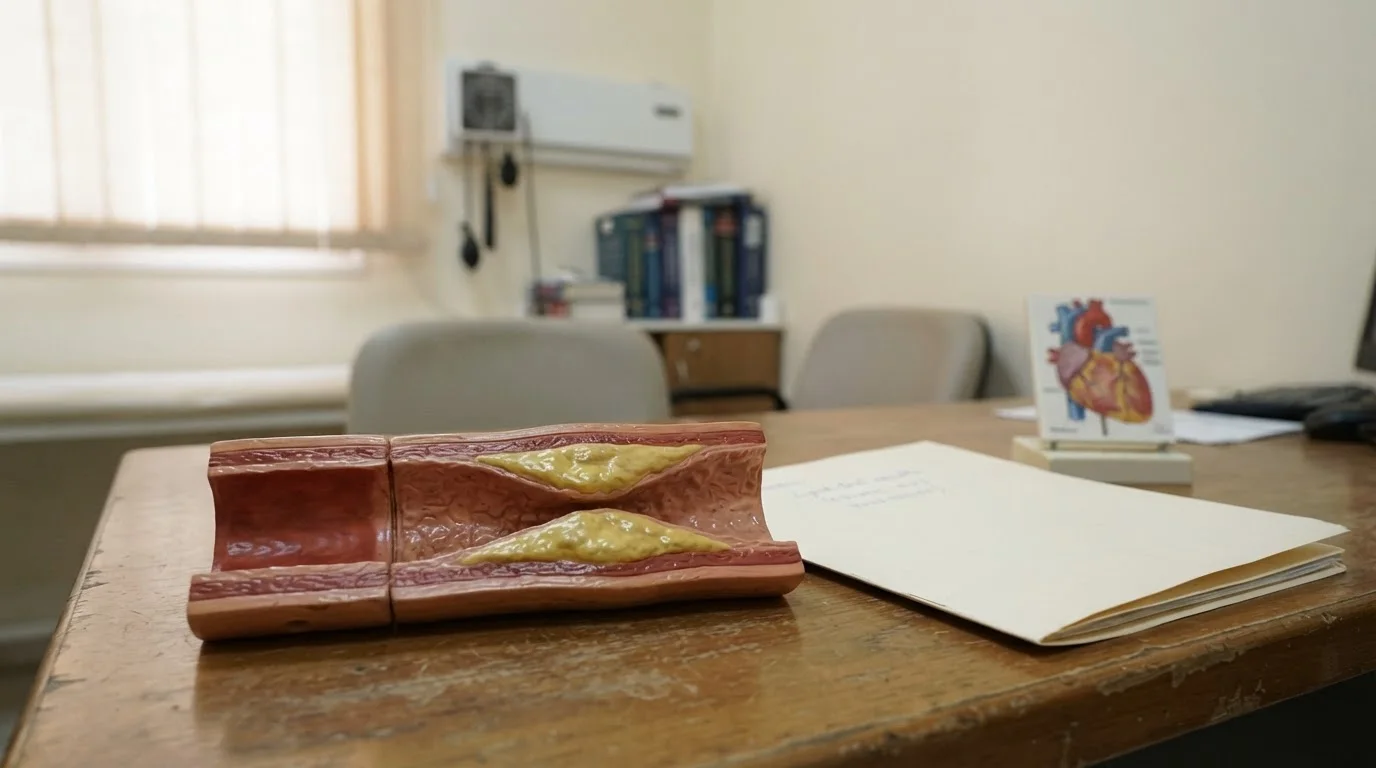
Cholesterol worries many people, but it's actually essential for your body — it builds cells, hormones, and vitamin D. The problem arises when one type (LDL) rises and causes atherosclerosis. The ClinicsJo Editorial Team explains what you need to know.
Types of Cholesterol
- LDL (bad cholesterol): carries cholesterol from liver to arteries; when elevated, it deposits on artery walls.
- HDL (good cholesterol): carries cholesterol from arteries to liver for disposal.
- Triglycerides: energy source, but elevation accompanies heart disease.
- Total cholesterol: the sum of all types.
Normal Levels
| Measure | Normal | High |
|---|---|---|
| Total | <200 mg/dL | >240 |
| LDL | <100 | >160 |
| HDL | >40 (M), >50 (F) | (higher is better) |
| Triglycerides | <150 | >200 |
LDL Targets by Risk
- Low risk: <130.
- Moderate risk: <100.
- High risk (diabetes, hypertension): <70.
- Very high risk (prior MI): <55.
Complications of High Cholesterol
Atherosclerosis leads to:
- Coronary heart disease.
- Heart attacks.
- Strokes.
- Peripheral artery disease (leg pain).
- Pancreatitis (high triglycerides).
Risk Factors
- Diet rich in saturated and trans fats.
- Genetics (familial hypercholesterolemia).
- Obesity.
- Physical inactivity.
- Smoking.
- Diabetes.
- Thyroid disorders.
- Kidney and liver disease.
- Medications: certain diuretics, beta-blockers, steroids.
When to Check Cholesterol
- Men >35, women >45: every 5 years.
- With risk factors: every 1–2 years.
- Children 9–11 and 17–21: at least once.
- With family history: from puberty.
- Test is done fasting 9–12 hours (water allowed).
Cholesterol-Lowering Diet
Beneficial Foods
- Oats: beta-glucan fiber lowers LDL.
- Nuts: almonds, walnuts.
- Fatty fish: salmon, sardines, tuna (omega-3).
- Olive oil: monounsaturated fat.
- Avocado.
- Legumes: lentils, beans, chickpeas.
- Vegetables.
- Fruits: apples, berries, citrus (pectin).
- Flax and chia seeds.
- Garlic.
- Green tea.
Foods to Limit
- Fatty red meat.
- Processed meats (sausage, deli meat).
- Full-fat dairy.
- Butter and ghee.
- Fried foods.
- Fast food and ready-made meals.
- Sweets and pastries.
- Many egg yolks (max 3–4/week for patients).
- Palm and coconut oil.
Medications
1. Statins (First-Line)
- Atorvastatin (Lipitor).
- Rosuvastatin (Crestor).
- Simvastatin (Zocor).
- Lower LDL by 30–55%.
- Taken at night.
- Side effects: muscle pain, elevated liver enzymes (rare).
- Periodic liver and muscle enzyme tests.
2. Ezetimibe (Ezetrol)
Blocks cholesterol absorption from the intestine. Used with statins.
3. PCSK9 Inhibitors (Injections)
- Evolocumab (Repatha).
- Alirocumab (Praluent).
- For severe or resistant cases.
4. Triglyceride-Lowering Drugs
- Fenofibrate (Lipanthyl).
- Fish oil (Omacor) — high-dose omega-3.
5. Supplements
- Omega-3 (1–4 g/day).
- Red yeast rice (contains natural statin).
- Plant sterols.
- Niacin (vitamin B3).
Lifestyle
- Exercise: 150 minutes weekly raises HDL and lowers LDL.
- Weight loss: each 5 kg drops LDL.
- Quitting smoking: raises HDL within 3 months.
- Reduce alcohol.
- Stress management.
- Adequate sleep.
Medical tip: Don't fear statins based on internet rumors. Scientific evidence is conclusive that they save millions of lives yearly and are safe for most patients. Real side effects are far less common than rumored.
Familial Hypercholesterolemia
A genetic disorder making LDL very high from childhood. Signs:
- LDL >190 without clear cause.
- Family history of early heart attacks.
- High cholesterol since youth.
- Yellow deposits on eyelids or tendons (xanthomas).
Requires intensive treatment and family screening.
For testing and consultation, book an appointment with a cardiologist or internist on ClinicsJo.