

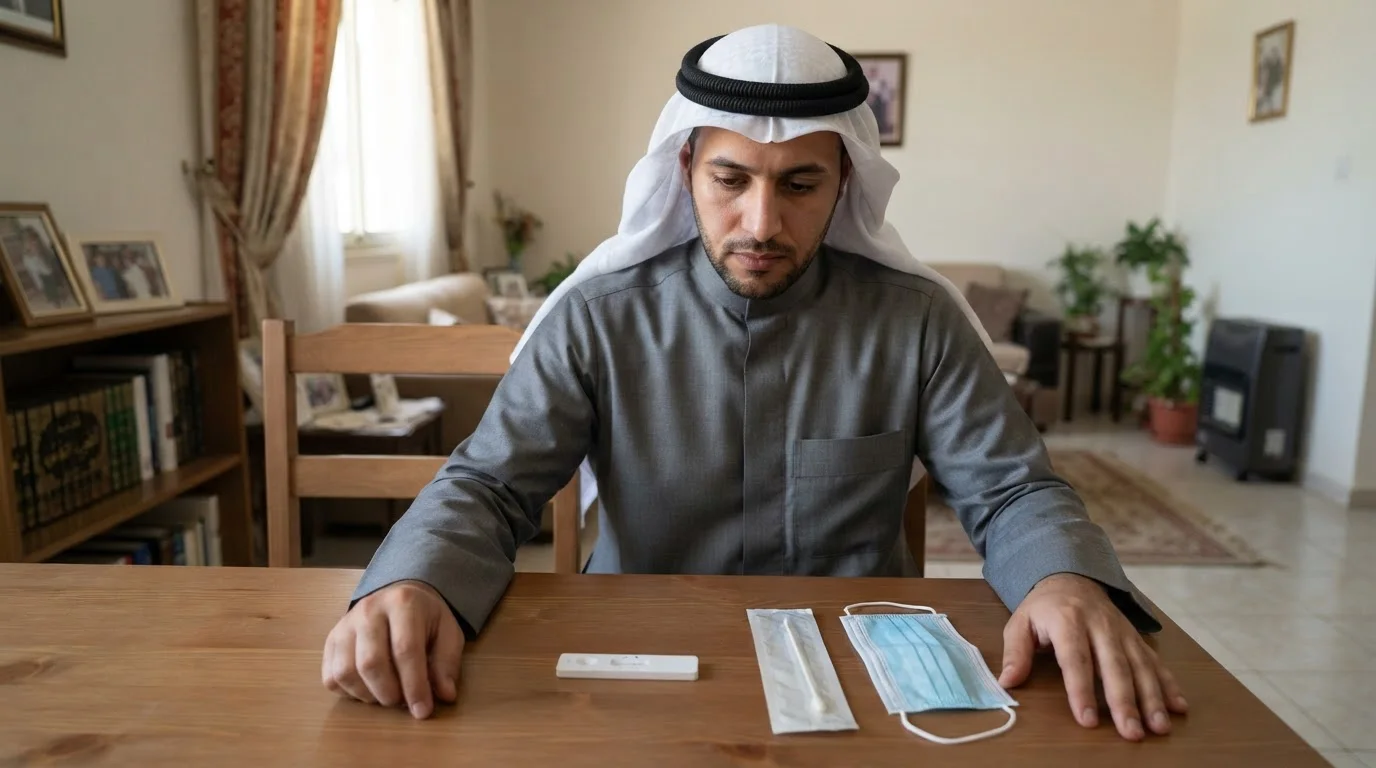
The novel coronavirus (COVID-19) changed the world since it emerged and has become one of the respiratory diseases we live with each year. Although its major waves have receded and severity has fallen for most people thanks to immunity and vaccines, understanding the virus and how to prevent and treat it remains important, especially for at-risk groups. The ClinicsJo Editorial Team offers this updated, balanced guide.
What Is COVID-19?
COVID-19 is a contagious respiratory disease caused by the coronavirus (SARS-CoV-2). It spreads mainly through respiratory droplets and fine airborne particles when coughing, sneezing, or talking, and less so via contaminated surfaces. Severity ranges from mild cold-like symptoms to severe pneumonia.
Symptoms
- Fever and chills.
- Dry cough and sore throat.
- Severe fatigue and body aches.
- Nasal congestion and headache.
- Loss or change of smell or taste (characteristic).
- Breathlessness in more severe cases.
- Sometimes diarrhea and nausea.
Who Is Most at Risk?
- Older adults.
- People with chronic diseases (diabetes, hypertension, heart, lung, kidney).
- Those with weakened immunity.
- Severe obesity.
- Pregnant women.
Post-COVID (Long COVID)
Some people continue to feel symptoms for weeks or months after recovery, most notably chronic fatigue, breathlessness, brain fog, palpitations, and disturbed sleep. This needs medical follow-up and gradual rehabilitation, and usually improves over time.
How Is It Diagnosed?
- Rapid antigen or PCR test to detect the virus.
- Chest X-ray or CT in severe cases.
- Blood tests and oxygen level.
Treatment
- Rest and plenty of fluids.
- Fever reducers and pain relievers.
- Isolation to avoid spreading.
- Monitoring oxygen when a device is available.
Moderate and severe cases or at-risk people may need prescribed antiviral drugs given early, or hospitalization and oxygen in critical cases.
Medical tip: low blood oxygen can sometimes occur without obvious breathlessness ("silent hypoxia"). If you are at risk, monitor oxygen and call a doctor immediately if it drops below 94%.
Prevention
- Get recommended vaccines and boosters, especially if at risk.
- Wash hands regularly.
- Ensure good ventilation and avoid crowded indoor spaces during outbreaks.
- Wear a mask when symptomatic or in hospitals.
When to See a Doctor
Seek urgent care for severe breathlessness, persistent chest pain or pressure, confusion, or blue lips. See a doctor if you are at risk to start appropriate treatment early.
Frequently Asked Questions
Is COVID still dangerous?
It is milder for most people thanks to immunity and vaccines, but remains dangerous for at-risk groups.
When can I return to work after infection?
When symptoms improve and fever resolves, following local isolation guidance.
Is loss of smell permanent?
It usually returns gradually over weeks to months, and smell-training exercises can help.
For consultation or post-COVID follow-up, book with a pulmonologist on ClinicsJo.