
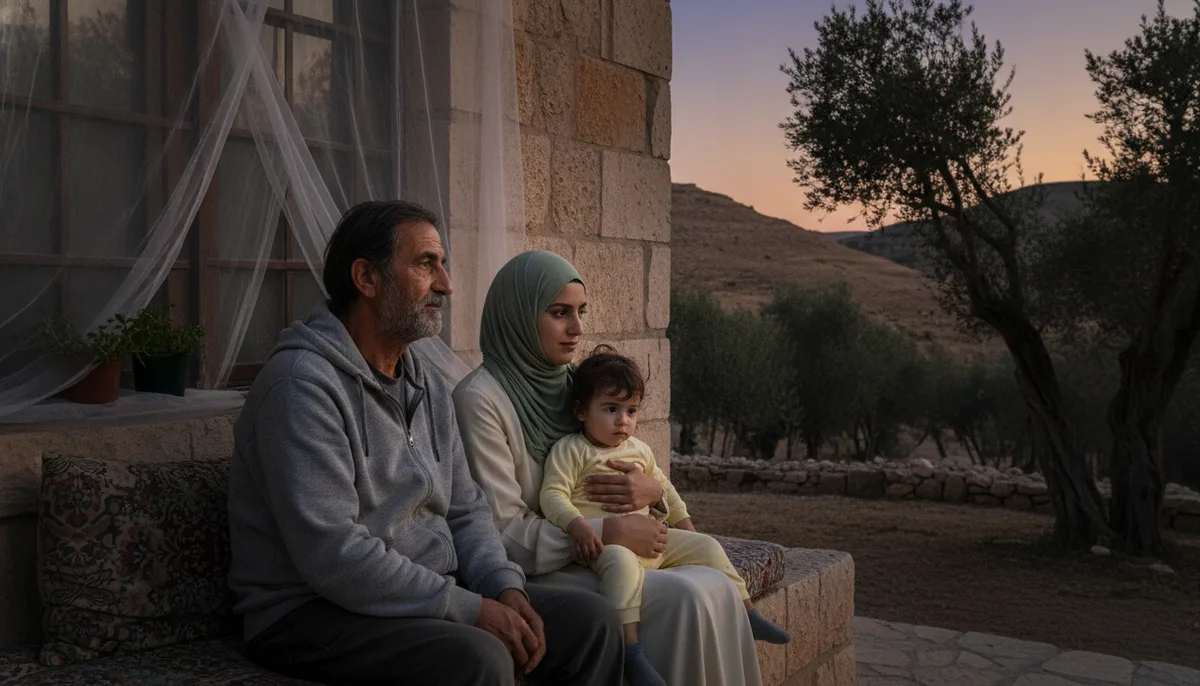
Cutaneous leishmaniasis (Aleppo boil) is a parasitic disease transmitted by the bite of an infected female sand fly. It usually appears as a sore on exposed parts of the body and may leave a permanent scar [1]. Diagnosis relies on a clinical examination together with parasitological tests, and the doctor determines the treatment based on the type of disease and the parasite. Preventing bites reduces the risk: use a mosquito net, insect repellent, and long clothing at dusk [2].
What is cutaneous leishmaniasis (Aleppo boil)?
Cutaneous leishmaniasis is the most common form of leishmaniasis. It is caused by protozoan parasites of the genus Leishmania, which includes more than 20 species [1]. It appears on the skin as sores, most often on exposed parts of the body [1]. Locally, it is known by several names, including "Aleppo boil" (habbet Halab) and "year boil" (habbet al-sanah).
The World Health Organization says these sores can leave scars that last a lifetime and may cause severe disability or social stigma [1]. For this reason, no skin sore that fails to heal should be ignored, no matter how minor it appears.
Other forms of the disease
The disease has three main forms. The cutaneous form is the most common. The visceral form (kala-azar) affects internal organs such as the spleen, liver, and bone marrow, and causes fever, weight loss, and enlargement of the spleen and liver [2]. The mucocutaneous form leads to partial or complete destruction of the mucous membranes of the nose, mouth, and throat [1]. This article focuses on the cutaneous form.
Where is cutaneous leishmaniasis found?
About 95% of cutaneous leishmaniasis cases occur in the Americas, the Mediterranean basin, the Middle East, and Central Asia [1]. New cases worldwide each year are estimated at between 600,000 and 1 million, but only about 200,000 are reported to the World Health Organization [1].
The Eastern Mediterranean region accounts for 80% of cases reported worldwide [1]. This means the disease is known in parts of our region and deserves attention when an unusual sore appears, especially after insect bites or sleeping outdoors. MedlinePlus also alerts travelers to the Middle East to the presence of this disease [2].
How is cutaneous leishmaniasis transmitted? The role of the sand fly
The parasites are transmitted through the bites of infected female sand flies (Phlebotomine sandflies), which feed on blood to produce eggs [1]. More than 90 species of sand fly are known to transmit the parasite [1]. About 70 species of animals, including humans, can serve as a source of the parasite [1].
Sand flies are much smaller than mosquitoes, so a person may not even feel their bite. They are most active between dusk and dawn [2], which is why doctors focus on protection during these hours.
What are the symptoms of cutaneous leishmaniasis, and what does the sore look like?
The disease usually begins with a small bump or spot at the site of the bite, most often on the face, hands, feet, or limbs, which are areas exposed to flies. It then gradually grows and turns into a sore. The sore may be relatively painless, which is why some people delay seeing a doctor.
The picture varies from patient to patient: there may be one sore or several. Signs that patients notice include:
- A small red bump that grows over a period of weeks.
- A sore with raised edges and a sunken center, which may be covered by a crust.
- A sore that does not heal despite usual care.
- A sore appearing in an area that was exposed to insect bites.
For a brief answer about early signs, see the question What are the early symptoms of cutaneous leishmaniasis? Since the appearance of a sore alone is not enough to confirm a diagnosis, the final judgment rests with the doctor.
Skin conditions it may resemble
Chronic sores can resemble other conditions, such as cutaneous fungal infections and tinea infection, and may sometimes resemble other skin lesions. Any lesion that does not heal warrants an examination, as also emphasized in the article on non-melanoma skin cancer in the context of early detection. For this reason, it is not appropriate to treat the sore on your own with an antifungal cream or an antibiotic.
Who is most at risk of infection?
The World Health Organization points to factors that increase the risk of the disease spreading:
- Housing and drainage conditions: Poor housing, lack of waste management, or open drainage can increase sand fly breeding sites, resting places, and access to people [1].
- Behavior: Sleeping outdoors or on the ground can increase exposure to bites [1].
- Malnutrition: Deficiencies in protein, energy, iron, vitamin A, and zinc increase the likelihood that an infection progresses to full disease [1].
- Population movement: Outbreaks often occur when large numbers of non-immune people move into areas where transmission is active [1].
- Environment and climate: Changes in temperature, rainfall, and urban development affect the size and geographic spread of sand fly populations [1].
Weakened immunity also affects the course of the disease, so you should inform your doctor of any condition that weakens your immune system or any medications that suppress it.
How is the disease diagnosed?
In cutaneous and mucocutaneous leishmaniasis, serological tests have limited value. Diagnosis is confirmed by combining the clinical picture with parasitological tests [1]. In practice, the doctor examines the sore and asks about places of travel or residence and exposure to bites, and may take a sample from the sore for laboratory testing.
If the sore is accompanied by persistent fever, weight loss, or abdominal swelling, the visceral form should be considered. The World Health Organization recommends that people suspected of having the visceral form seek medical care immediately [1].
What are the treatment options for cutaneous leishmaniasis?
Treatment of cutaneous leishmaniasis depends on several factors: the type of disease, any associated illnesses, the type of parasite, and the geographic location [1]. The disease is treatable and curable, but it requires a healthy immune system, because medications do not completely eliminate the parasite from the body, and so the disease may relapse if immunity weakens later [1].
MedlinePlus notes that treatment consists of medications containing antimony (a metal) or strong antibiotics [2]. These medicines are only taken with a prescription from a specialist doctor, because the choice of drug, its method of use, and its duration vary from case to case. Depending on your condition, the doctor may decide on local treatment, systemic treatment, or follow-up only, so do not start or stop any medication on your own.
What is not recommended
- Do not apply home remedies, herbs, or caustic substances to the sore.
- Do not use leftover old medications or creams without a diagnosis.
- Do not simply wait for it to "go away on its own" if the sore has lasted a long time.
- Do not stop treatment before the doctor decides to, even if the skin appears better.
Will Aleppo boil leave a scar? What does the skin look like after healing?
Sores may leave long-lasting scars [1]. The appearance of a scar depends on the size and location of the sore, the time it takes to heal, and the nature of the patient's skin. The earlier diagnosis and treatment begin, the greater the chance of limiting damage, since timely and effective treatment prevents disability [1].
After healing, a dermatologist can assess the scar and discuss options for improving its appearance, including some laser skin treatment procedures if suitable for your case. No cosmetic procedure should be started until the sore has fully healed. You can learn more about the structure of the skin to understand why wounds heal differently from person to person.
A scar visible on the face can have psychological and social effects, so do not hesitate to discuss it with your doctor, as concern about appearance is understandable.
How do you protect yourself and your family from sand flies?
The best way to prevent the disease is to protect yourself from sand fly bites [2]. The broader prevention approach includes controlling the vector: spraying insecticides, insecticide-treated mosquito nets, environmental management, and personal protection [1].
| Prevention measure | Why it helps | Practical notes |
|---|---|---|
| Stay indoors from dusk until dawn | Sand flies are most active during these hours [2] | Close windows or fit fine mesh screens over them |
| Wear long trousers and a long-sleeved shirt | Reduces the amount of exposed skin [2] | Important during outdoor activities in the evening |
| Use insect repellent | Protects exposed skin [2] | Follow the product instructions, and ask a pharmacist which is most suitable for children and pregnant women |
| Use a mosquito net when needed | Protects the sleeper, and insecticide treatment is part of vector control [1][2] | Avoid sleeping outdoors or on the ground [1] |
| Improve the environment around the home | Poor waste management and open drainage can increase fly breeding sites [1] | Dispose of waste regularly |
Children sometimes sleep near windows or play outside at dusk, so take care to protect them. These protective measures reduce the risk but do not eliminate it entirely, so monitor any new bump on the skin.
When should you see a doctor, and when should you go to the emergency room?
See a dermatologist or infectious disease specialist if any of the following appear:
- A bump or sore that does not heal or that grows gradually.
- Multiple sores or the appearance of new sores.
- A sore on the face, near the eye, nose, or mouth.
- Redness spreading around the sore, pus, a foul odor, or increasing pain.
- Weakened immunity for any reason, or taking medications that suppress it.
Go to the nearest emergency department or call 911 if you have high fever with a deteriorating general condition, severe weakness, difficulty breathing, or confusion. Recurrent fever with weight loss and abdominal swelling also requires prompt medical evaluation, as these are signs of the visceral form [2]. Anyone with changes in the nose, mouth, or throat along with a skin sore should see a doctor promptly because of the mucocutaneous form [1].
How do you find the right doctor in Jordan?
Start with the appropriate specialty: dermatologists in Jordan to assess the sore, or infectious disease specialists if it is accompanied by fever, general symptoms, or weakened immunity. Then choose the governorate closest to you:
- Dermatology in Amman or infectious diseases in Amman
- Dermatology in Irbid
- Dermatology in Zarqa
- Dermatology in Balqa
When opening a doctor's profile in the directory, check the listed specialty, address, working days, and the available contact or booking method in the profile. ClinicsJo does not provide medical consultations or prescriptions; it helps you reach a doctor.
Useful questions to ask at your appointment
- Do the appearance of the sore and my history support cutaneous leishmaniasis, and what tests are needed to confirm it?
- What treatment options are suitable for my case, and what are their benefits and side effects?
- How should I care for the sore daily, and when is the follow-up?
- What signs should prompt an earlier return visit?
- Do my family members need to be examined or protected, and how can I reduce the risk of infection in my environment?
Bring information about the places you have traveled or lived, the date the first bump appeared, and your current medications. Take a photo of the sore every few days to help the doctor assess how it is developing.
Reminder: This article is for general education and does not replace an examination by a doctor. Any skin sore that does not heal deserves professional evaluation.
Frequently asked questions
Is cutaneous leishmaniasis (Aleppo boil) contagious between people?
The main route of infection is the bite of an infected female sand fly, not ordinary contact between people. For this reason, prevention focuses on avoiding bites and reducing the spread of sand flies. If a sore appears on a family member, have it examined by a doctor, as the surrounding environment may also be exposed to sand flies.
Is Aleppo boil painful?
In many cases the sore is relatively painless, which is why some people delay seeing a doctor. However, the absence of pain does not mean the condition is minor. If the pain increases, or if spreading redness or pus appears, a secondary bacterial infection may be present, and this requires a doctor's visit.
Is cutaneous leishmaniasis completely curable?
The World Health Organization says leishmaniasis is treatable and curable, but it requires a healthy immune system because medications do not completely eliminate the parasite from the body. Therefore, relapse may occur if immunity weakens later. The appropriate treatment is determined by your doctor based on the type of disease, the parasite, and your condition.
Does cutaneous leishmaniasis leave a permanent scar?
Sores may leave long-lasting scars, and this varies depending on the size and location of the sore and the time it takes to heal. Early diagnosis and rapid treatment help limit damage. After healing, a dermatologist can assess the scar and discuss suitable options for improving its appearance.
When are sand flies most active, and how can I protect myself from them?
Sand flies are most active from dusk until dawn. For protection, stay indoors during these hours as much as possible, wear long trousers and a long-sleeved shirt when going out, use insect repellent, use a mosquito net when needed, and avoid sleeping outdoors or on the ground.
Can I treat the sore myself with a cream or a home remedy?
This is not recommended. Chronic sores can resemble other skin conditions, and incorrect treatment may delay diagnosis or worsen inflammation. See a dermatologist or infectious disease specialist for an examination and confirmation of the diagnosis, and do not start or stop any medication on your own.
Sources and references
- Leishmaniasis — World Health Organization. Accessed: 2026-10-26.
- Leishmaniasis | Kala-azar | Leishmania — MedlinePlus — U.S. National Library of Medicine. Accessed: 2026-10-26.