

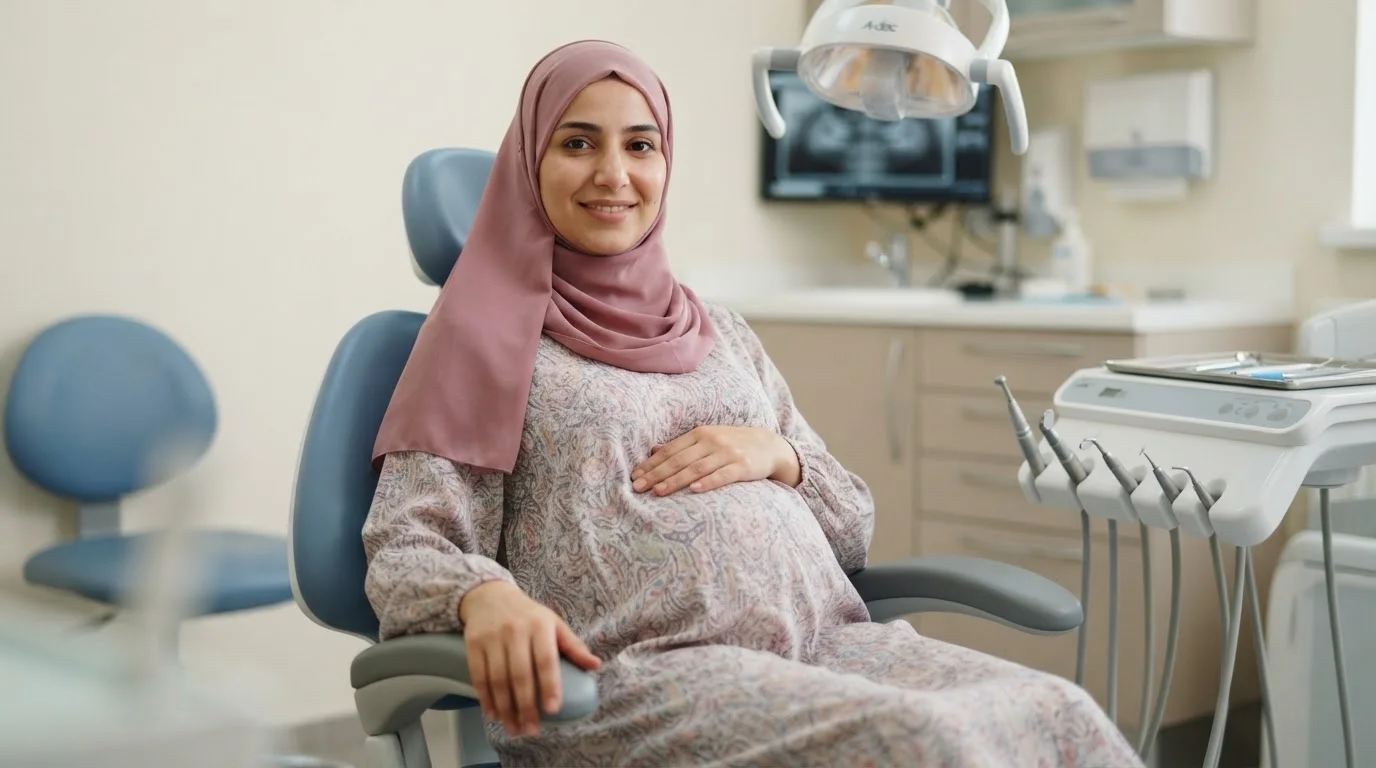
Pregnancy is an exceptional time when a woman's body needs extra care — and teeth and gums are no exception. Hormonal changes, nausea, and shifting eating habits make pregnant women more prone to dental problems. The ClinicsJo Editorial Team covers what every expecting mother should know.
How Does Pregnancy Affect a Woman's Mouth?
1. Pregnancy Gingivitis
Affects 60–75% of pregnant women. Elevated progesterone causes redness, swelling, and bleeding gums when brushing. Usually starts in the second month and lasts until delivery.
2. Pregnancy Tumor (Pyogenic Granuloma)
A small red lump on the gum — benign and non-cancerous — appearing in 5% of pregnancies. Usually disappears spontaneously after delivery.
3. Increased Tooth Decay
Causes are multiple: nausea and vomiting expose teeth to stomach acid, changed eating habits (cravings for sweets), and neglected brushing due to fatigue or the gag reflex.
4. Enamel Erosion from Frequent Vomiting
Repeated vomiting in the first trimester dissolves enamel with stomach acid.
5. Dry Mouth
May occur due to changes in saliva composition.
Routine Visits During Pregnancy
Dental associations recommend a pre-pregnancy visit (to address any problems early) and at least two visits during pregnancy:
- First: in month 3 (end of first trimester).
- Second: in month 6 (mid second trimester — best time for any treatment).
Safe Procedures by Trimester
First Trimester (Months 1–3)
- ✅ Routine exam and cleaning.
- ✅ Diagnostic procedures only.
- ⏸ Postpone elective procedures.
- ⏸ Avoid X-rays if possible.
Second Trimester (Months 4–6)
The safest window for any necessary treatment:
- ✅ Cleaning and gum disease treatment.
- ✅ Fillings.
- ✅ Root canal.
- ✅ Simple extractions.
- ✅ Local anesthesia without epinephrine (mepivacaine).
- ⏸ Postpone cosmetic procedures (whitening, veneers).
Third Trimester (Months 7–9)
- ✅ Dental emergency treatment.
- ✅ Cleaning.
- ⏸ Postpone long procedures (patient discomfort).
- ⏸ Avoid lying flat on the back for more than 15 minutes.
Dental X-Rays and Pregnancy
Dental X-rays are generally safe during pregnancy when needed because:
- Radiation dose is very low (1/100 of a chest X-ray).
- X-rays are directed at the mouth, away from the abdomen.
- A lead apron shields the abdomen and neck.
Still, elective X-rays are best postponed until after the first trimester.
Safe Medications in Pregnancy
- Painkillers: Paracetamol is safe throughout. Avoid Ibuprofen in the third trimester.
- Antibiotics: Penicillin, Amoxicillin, Cephalexin are safe. Avoid Tetracycline (stains fetal teeth) and Ciprofloxacin.
- Local anesthesia: Lidocaine and mepivacaine are safe.
Oral Care Tips During Pregnancy
- Brush twice daily with a soft brush.
- Floss daily — the most important habit in pregnancy.
- Rinse with water immediately after vomiting (don't brush right away — enamel is softened by acid).
- Brush 30 minutes after vomiting.
- Rinse with baking soda solution (1 teaspoon in a cup of water) to neutralize acid.
- Reduce sweets, especially between meals.
- Drink plenty of water.
- Take calcium, vitamin D, and folate.
- If you vomit often, ask your doctor about vitamin B6 supplements.
Medical tip: Don't postpone the dentist during pregnancy out of fear for the baby. Neglecting severe gum disease can cause preterm birth or low birth weight — treatment is safe and effective.
Does Pregnancy Transfer Calcium from Mom's Teeth to the Baby?
A common myth. The baby gets calcium from the mother's diet and bones — not from her teeth. A pregnant woman's teeth don't lose calcium because of the baby. However, if the mother's nutrition is poor, her bones may be affected.
Your Baby's Teeth Form Before Birth
Baby teeth begin forming in week 6 of pregnancy, and permanent teeth in month 4. This means:
- Good maternal nutrition (calcium, vitamin D, phosphorus) affects your child's future tooth strength.
- Certain medications (Tetracycline) stain fetal teeth.
- Smoking and alcohol during pregnancy affect fetal tooth development.
For complete oral care during pregnancy, book an appointment with a trusted dentist on ClinicsJo.