

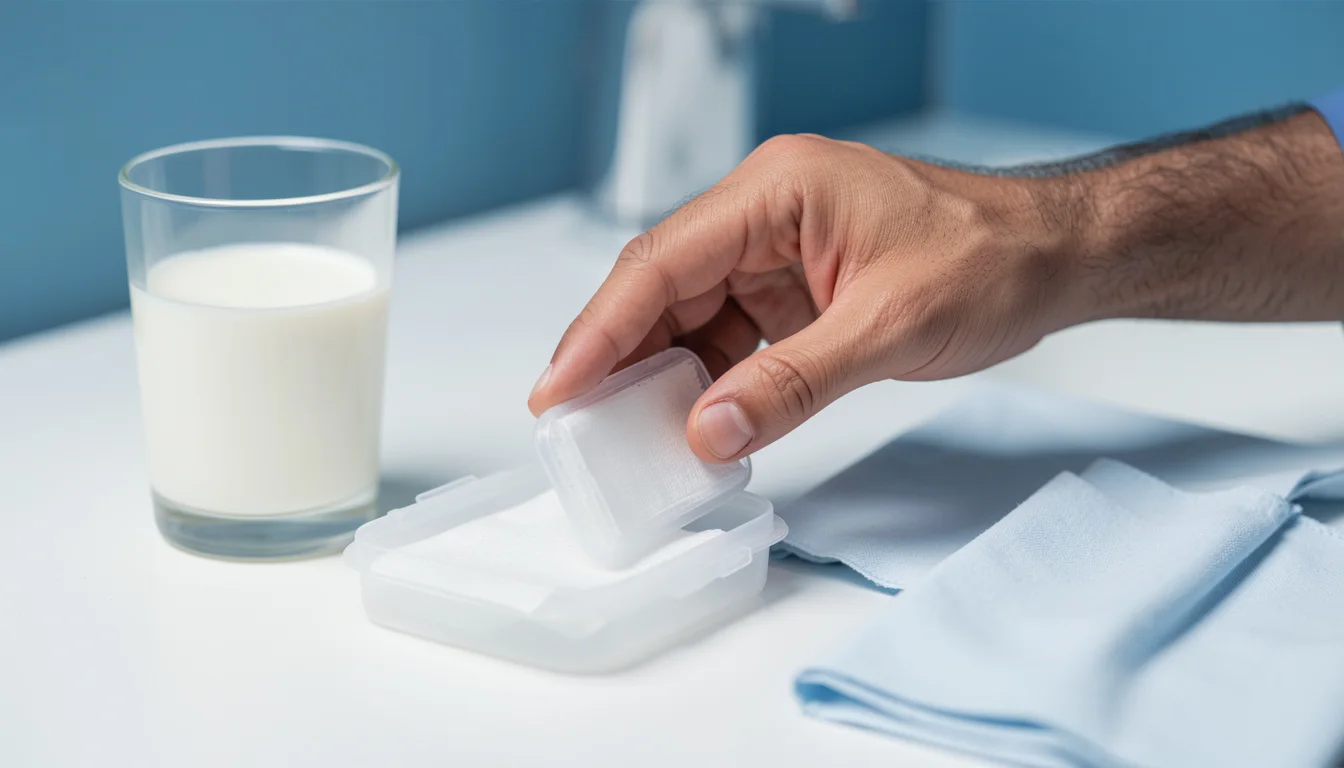
Dental emergencies happen suddenly, and knowing correct first aid can save a tooth or prevent serious complications. In this practical guide, the ClinicsJo Editorial Team covers what to do — and what not to do — in the most common dental emergencies.
1. Knocked-Out Tooth (Avulsion)
The most time-sensitive dental emergency. The faster the tooth is reimplanted, the better the survival chances. The first 30 minutes are critical; after an hour, the odds drop sharply.
Correct Steps:
- Pick the tooth up by the crown (white part) only — never the root.
- Gently rinse it with saline or milk — do not use tap water and don't scrub.
- Reinsert it immediately into the socket if possible, and bite on gauze to hold it.
- If you can't: put the tooth in a cup of cold milk or saline (water kills root cells).
- Go to an emergency dentist immediately. Ideal: 30 minutes. Maximum: 1 hour.
Warnings:
- Don't rinse with soap or alcohol.
- Don't dry it or wrap it in a dry tissue.
- Don't scrape off attached tissue from the root.
- This protocol doesn't apply to baby teeth — they are not reimplanted.
2. Broken or Cracked Tooth
- Gently rinse with warm water.
- If bleeding, apply gauze with pressure for 10 minutes.
- Place a cold compress on the cheek to reduce swelling.
- Save any broken piece in milk and bring it to the dentist.
- See a dentist within 24 hours.
3. Severe Toothache
- Rinse with warm salt water.
- Gently floss to remove any trapped food.
- Take a standard painkiller (Ibuprofen 400–600 mg or Paracetamol 1000 mg).
- Don't place aspirin directly on the gum or tooth — it causes chemical burns.
- Apply a cold compress to the cheek.
- See a dentist within 24–48 hours.
4. Abscess or Swelling
An abscess is a serious bacterial infection that may spread to the face or even neck. A true emergency.
- Rinse with warm salt water several times daily.
- Apply cold compresses externally.
- Take painkillers.
- Do not attempt to drain the abscess yourself.
- See a dentist immediately. If high fever, difficulty swallowing, or swelling under the eye or on the neck appears, go to a hospital ER.
5. Lost Filling or Crown
- Save the filling or crown in a clean bag.
- Clean the exposed tooth with a soft brush.
- Temporarily cover the area with toothpaste or sugar-free gum to protect from cold.
- See your dentist within 1–3 days (not urgent ER).
6. Bleeding After Extraction
Light bleeding for 24 hours is normal. Heavy bleeding needs intervention.
- Bite on sterile gauze for 30–45 minutes with steady pressure.
- If bleeding continues: use a moist black tea bag (tannin helps clot formation).
- Stay seated — don't lie down.
- Don't rinse forcefully, spit, or use a straw.
- If bleeding continues >2 hours, see your dentist.
7. Sudden Sensitivity from an Old Filling
An old filling may have started to leak, or the tooth may be cracked beneath it. See a dentist within a week.
8. Locked Jaw After a Wide Opening
Sometimes the jaw locks after a hard yawn or laugh. Try circular massage in front of the ear with warm compresses. If it doesn't open within an hour, go to ER.
Medical tip: Save your dentist's number in your phone under "Dental Emergency." Most clinics offer after-hours emergency service via a dedicated phone.
When to Go to Hospital ER Instead of a Dentist
- Swelling reaching under the eye or onto the neck.
- Difficulty breathing or swallowing.
- Fever above 39°C with mouth swelling.
- Profuse, uncontrollable bleeding.
- Strong jaw trauma (possible fracture).
Home Dental First-Aid Kit
- Sterile gauze.
- Painkillers (ibuprofen, paracetamol).
- Gloves for a helper.
- Ready ice pack.
- Clean cup for milk or saline.
- Your dentist's number on a visible note.
If you have a dental emergency, book an immediate appointment with the nearest dentist on ClinicsJo — many clinics offer emergency service within hours.