

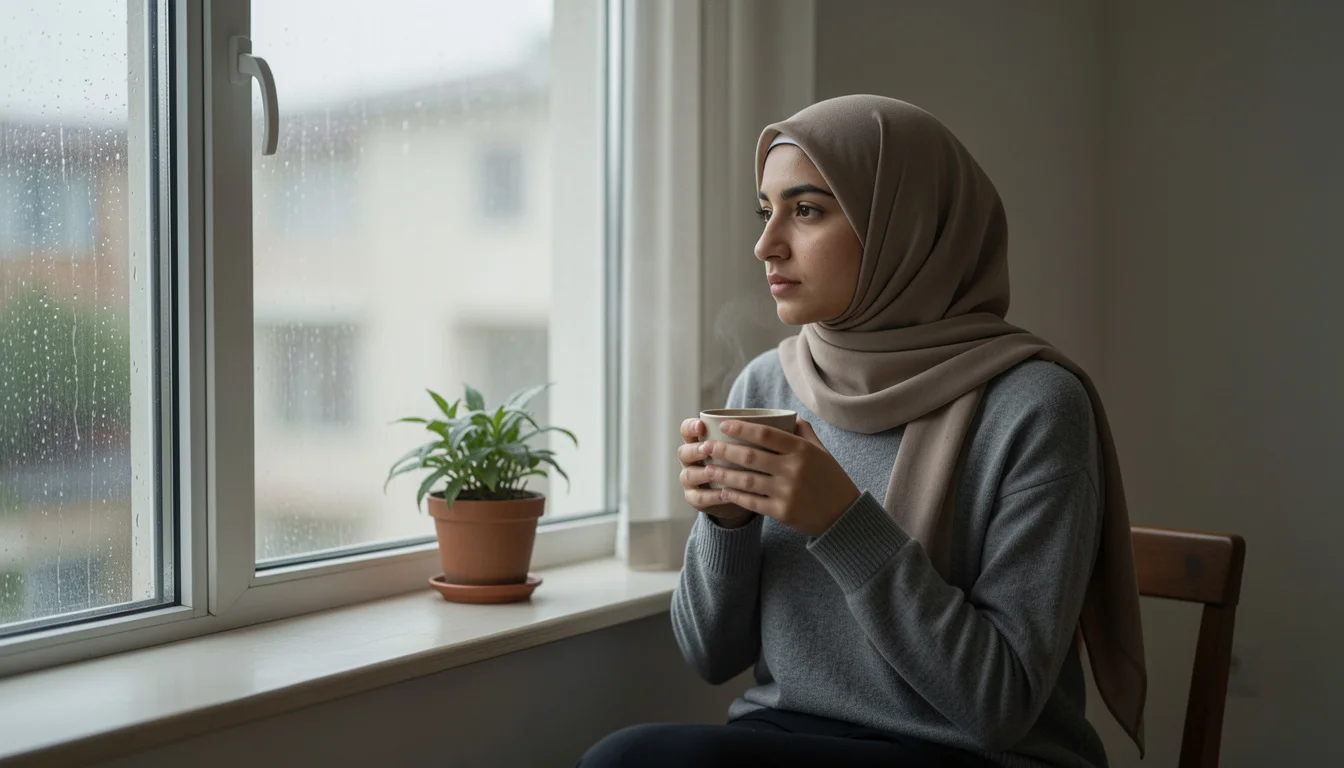
Depression is not weakness or God's anger — it's a real medical illness affecting the brain and altering its chemistry. It affects 264 million people worldwide, including roughly 800,000 in Jordan, most of whom don't seek treatment due to stigma. The ClinicsJo Editorial Team reviews the scientific facts.
Sadness vs Depression
- Sadness: a natural reaction to a specific event, eases with time, doesn't disrupt life.
- Depression: a chronic state (>2 weeks), requires no clear cause, disrupts work and relationships, accompanied by physical and cognitive symptoms.
Types of Depression
1. Major Depression
The most famous. Severe persistent symptoms >2 weeks.
2. Persistent Depressive Disorder (Dysthymia)
Milder symptoms but lasting >2 years.
3. Seasonal Affective Disorder (SAD)
Appears in winter due to reduced light.
4. Postpartum Depression
10–20% of women after childbirth.
5. Bipolar Disorder
Alternating depression and mania episodes.
6. Psychotic Depression
Depression with hallucinations and delusions.
Symptoms
Emotional
- Persistent sadness or feeling of emptiness.
- Loss of interest and pleasure (anhedonia).
- Hopelessness.
- Guilt and worthlessness.
- Anger and irritability.
- Anxiety.
Physical
- Chronic fatigue.
- Sleep disturbances (insomnia or hypersomnia).
- Appetite changes (increased or decreased).
- Weight changes.
- Chronic headaches and body pains.
- Motor slowing.
- Slowed speech.
Cognitive
- Difficulty concentrating.
- Difficulty making decisions.
- Memory fog.
- Recurrent negative thoughts.
- Suicidal thoughts.
Depression Symptoms in Men
Depression may differ in men due to social pressures:
- Anger and irritability instead of sadness.
- Overworking, smoking, or drinking.
- Risk-taking behaviors.
- Aggression.
- Denial of feelings.
Causes
- Genetics: 40% of risk.
- Brain chemistry: serotonin, norepinephrine, dopamine dysregulation.
- Life events: loss, trauma, failure, violence.
- Chronic stress.
- Physical illness: hypothyroidism, vitamin deficiencies, chronic disease.
- Medications: steroids, beta-blockers, some birth control.
- Alcohol and drugs.
- Weak social support.
Diagnosis
Clinical via interview. DSM-5 criteria: at least 5 symptoms from the list, near-daily, for 2 weeks, one being loss of pleasure or sadness. Tests to rule out physical causes (TSH, B12, vitamin D).
Treatment
1. Psychotherapy
Cognitive Behavioral Therapy (CBT) — Most Effective
Targets negative thoughts and behavior patterns. Usually 12–20 sessions. Strong scientific evidence.
Interpersonal Therapy (IPT)
Focuses on relationships.
Psychodynamic Therapy.
Acceptance and Commitment Therapy (ACT).
2. Medications
SSRI (First-Line)
- Sertraline (Zoloft).
- Escitalopram (Cipralex).
- Fluoxetine (Prozac).
- Paroxetine (Seroxat).
Take 4–6 weeks for full effect. Mild side effects initially.
SNRI
- Venlafaxine (Effexor).
- Duloxetine (Cymbalta).
Atypical Antidepressants
- Mirtazapine (Remeron) — aids sleep and appetite.
- Bupropion (Wellbutrin) — no sexual side effects.
TCA (Older, Effective)
- Amitriptyline.
- Nortriptyline.
3. Other Treatments
- Transcranial Magnetic Stimulation (TMS): for resistant cases.
- Electroconvulsive Therapy (ECT): very effective for severe cases.
- Ketamine / Esketamine: rapid-acting.
- Light therapy: for SAD.
Supportive Lifestyle
- Exercise: as effective as a mild antidepressant! 30 minutes 5 times weekly.
- Sun exposure: 20 minutes daily.
- Sleep: 7–9 consistent hours.
- Diet: rich in omega-3, vitamin D, B12.
- Social connection.
- Avoid alcohol and drugs.
- Hobbies.
- Meditation and yoga.
Suicidal Thoughts
If you're thinking of hurting yourself:
- Call immediately a close person or emergency services.
- Jordan crisis hotline: 110.
- Go to a hospital ER.
- Remember: suicide is a permanent solution to a temporary problem.
- Remove medications and weapons from reach.
Medical note: Depression is fully treatable. 80–90% of patients respond to appropriate treatment. Don't be ashamed to seek help — you're no different from someone taking BP medication.
Supporting a Depressed Person
- Listen without judgment.
- Don't say "cheer up" or "others are worse off."
- Help them seek professional help.
- Stay in contact.
- Support them in attending appointments.
- Be patient — improvement takes time.
- Take care of yourself too.
If you or someone close has depression symptoms, book an appointment with a psychiatrist or GP on ClinicsJo. Don't wait.