
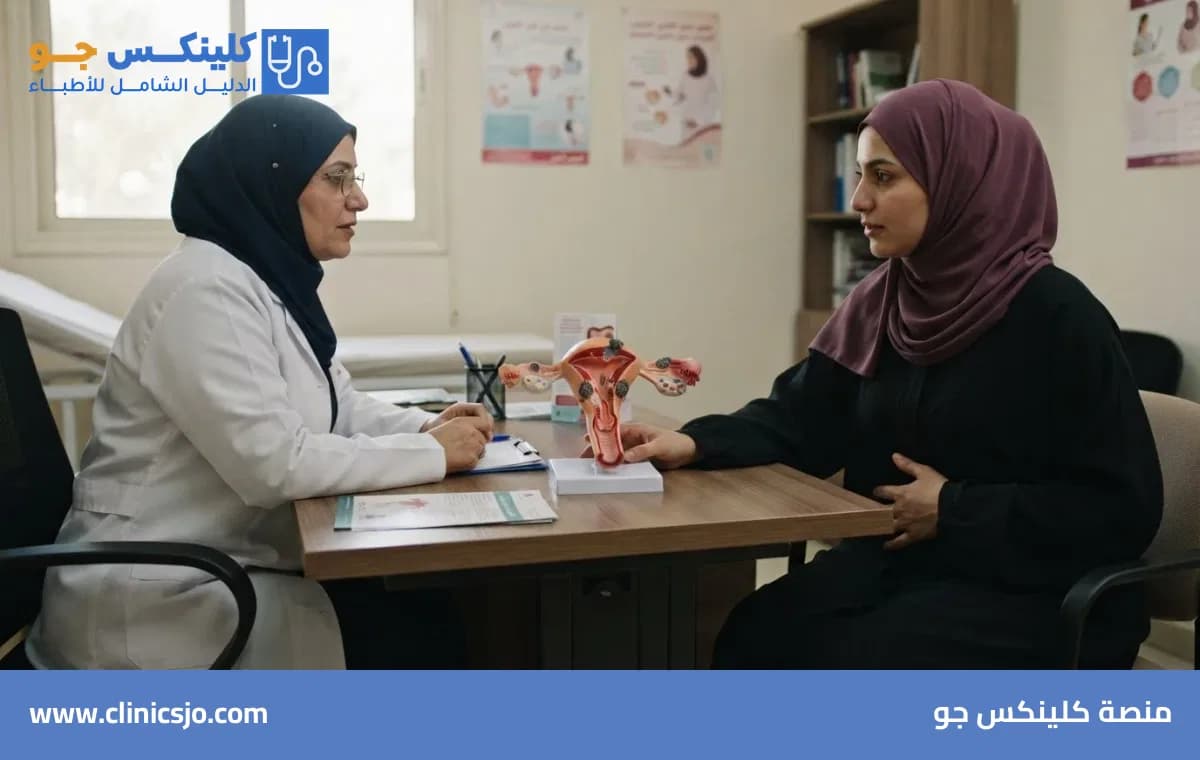
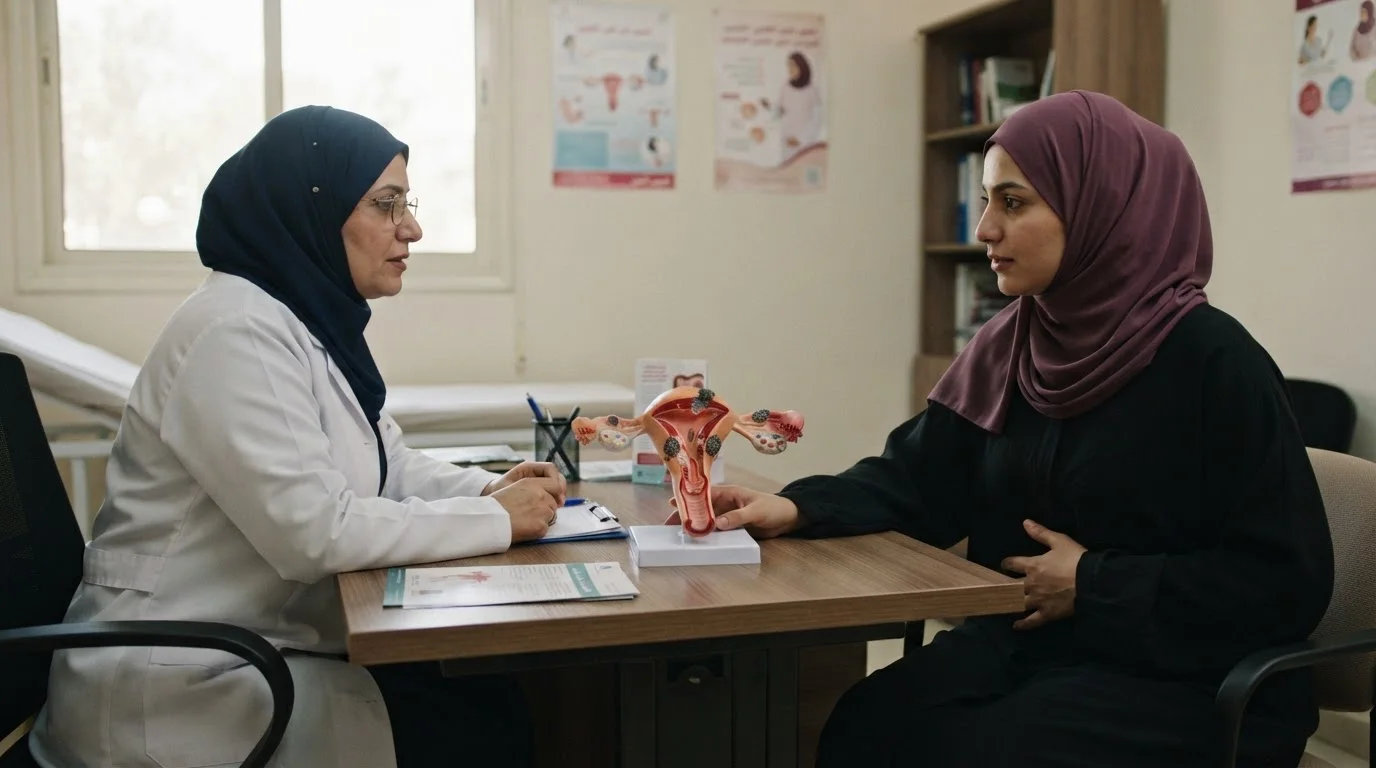
Many women believe that severe period pain is normal and must be endured, when it may in fact be a symptom of a common but underdiagnosed disease: endometriosis. Diagnosis can take years because symptoms are dismissed. The ClinicsJo Editorial Team offers this guide to raise awareness for every woman.
What Is Endometriosis?
The endometrium is the tissue lining the inside of the uterus that sheds with menstruation. In this disease, similar tissue grows outside the uterus — on the ovaries, fallopian tubes, or pelvis. This displaced tissue responds to cycle hormones and bleeds monthly, but the blood has no exit, causing inflammation, pain, and adhesions.
Symptoms
- Severe period pain not relieved by ordinary painkillers.
- Chronic pelvic and lower-abdominal pain.
- Pain during or after intercourse.
- Pain on urination or bowel movements, especially during periods.
- Heavy periods or bleeding between periods.
- Delayed pregnancy (infertility) in a proportion of women.
- Fatigue, bloating, and digestive upset.
Causes and Risk Factors
- The exact cause is unknown, with several theories (including retrograde menstruation).
- Family history.
- Early menarche and short cycles.
- Never having given birth.
- Immune and hormonal disorders.
How Is It Diagnosed?
- History and gynecological exam.
- Ultrasound to detect ovarian (chocolate) cysts.
- MRI in selected cases.
- Laparoscopy: the most accurate confirmatory method, allowing biopsy and sometimes treatment at the same time.
Treatment
- Painkillers and anti-inflammatories for pain control.
- Hormonal therapy: birth control pills or other drugs that suppress the tissue and reduce pain.
- Laparoscopic surgery: to remove lesions, adhesions, and cysts, improving pain and fertility.
- Fertility treatment: for those with delayed pregnancy under a gynecologist's care.
Medical tip: period pain that stops you from living your daily life is not "normal" to be endured. Consult a gynecologist — early diagnosis of endometriosis protects your fertility and spares years of pain.
When to See a Doctor
See a gynecologist for severe period pain that disrupts your life, chronic pelvic pain, pain during intercourse, or delayed pregnancy. Do not delay seeking help believing the pain is normal.
Frequently Asked Questions
Does endometriosis prevent pregnancy?
It may reduce fertility in some women, but many conceive naturally, and effective treatments exist for those with delayed pregnancy.
Can it be cured permanently?
There is no definitive cure, but symptoms are well controlled with treatment and often improve after menopause.
Daily Life and Fertility
Endometriosis can affect work, relationships, and fertility, but most women with the condition can still conceive — often with medical guidance. Lifestyle measures such as regular gentle exercise, anti-inflammatory diet patterns, stress reduction, and adequate sleep complement medical treatment. For women planning pregnancy, consulting a gynecologist early helps choose the best management plan and timing.
To assess your condition and plan treatment, book with a gynecologist on ClinicsJo.