

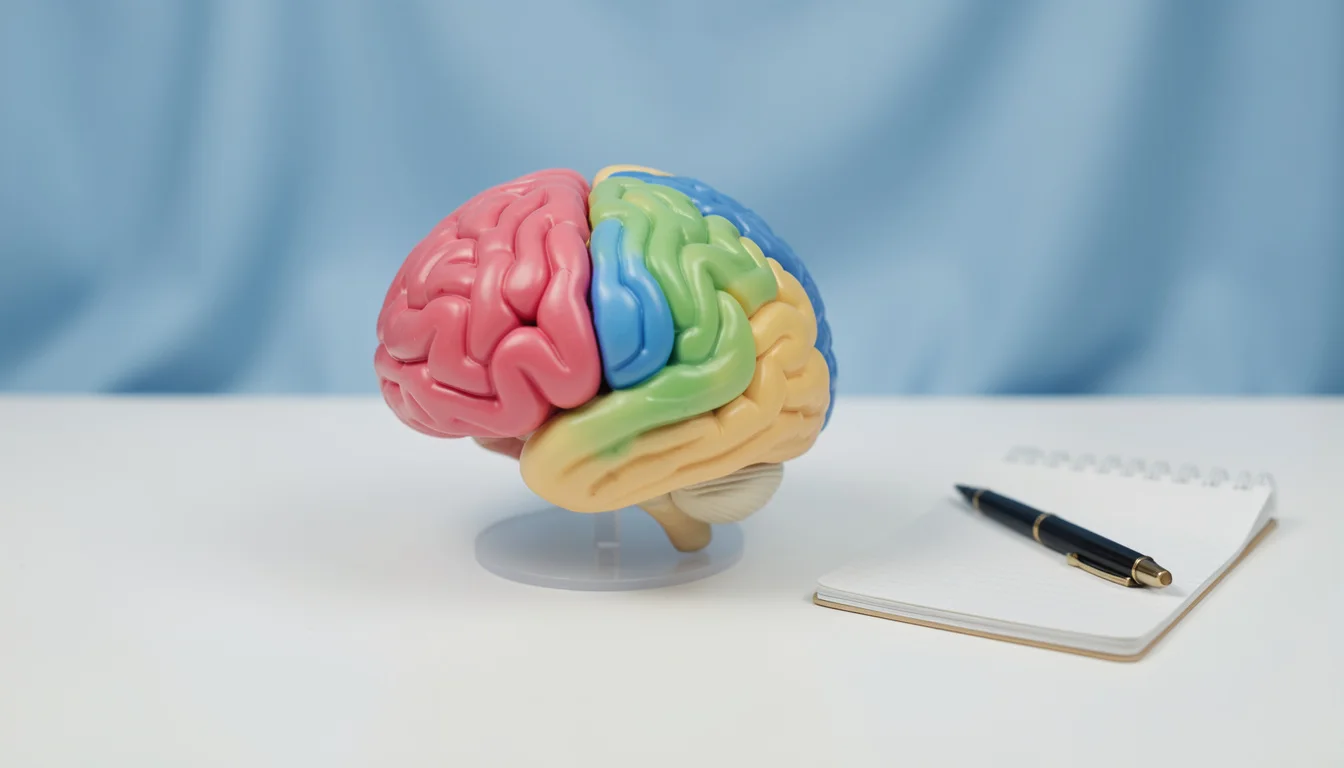
Epilepsy is one of the oldest known neurological diseases and the most surrounded by myths, even though it is a purely medical condition controllable in most cases with medication. Many patients still face unjustified social stigma, although they can live a completely normal life with the right treatment. The ClinicsJo Editorial Team offers this guide to correct misconceptions and explain the disease, its seizure types, and treatment.
Epilepsy affects people of all ages, from infants to the elderly, and about one in a hundred people may develop it at some point in life.
What Is Epilepsy?
The brain works through organized electrical signals between nerve cells. Epilepsy is a chronic neurological disorder marked by recurrent seizures caused by sudden, abnormal electrical discharges — like a brief "electrical storm." These discharges temporarily affect consciousness, movement, sensation, or behavior depending on the brain area involved.
It is important to distinguish a single seizure (which can happen to anyone from a temporary cause) from epilepsy, usually diagnosed after two or more unprovoked seizures.
Causes
- Unknown in many cases (a genetic factor is suspected).
- Head injuries and severe accidents.
- Strokes and brain tumors, especially in older adults.
- Brain infections such as meningitis and encephalitis.
- Oxygen deprivation at birth or congenital malformations.
- Metabolic disorders and electrolyte or sugar deficiencies.
Seizure Types
Generalized Seizures
Involve the whole brain; the best known is the tonic-clonic seizure with loss of consciousness, body stiffening, and shaking. Absence seizures are brief blank staring, common in children and sometimes mistaken for daydreaming.
Focal Seizures
Begin in a specific brain area with localized symptoms like numbness, involuntary movements, strange sensations, or sudden fear, with or without loss of awareness.
First Aid During a Seizure
- Stay calm and move hard or dangerous objects away.
- Place something soft under the head and do not forcibly restrain.
- Turn the person on their side to ease breathing.
- Do not put anything in the mouth (the belief they may swallow the tongue is false and dangerous).
- Loosen tight clothing around the neck.
- Time the seizure and stay until they recover.
- Call for help if it exceeds 5 minutes or repeats without recovery.
How Is It Diagnosed?
- Medical history and witness description of the seizure.
- EEG: the basic test of electrical activity.
- Brain MRI to look for a structural cause.
- Blood tests to exclude other causes.
Treatment
- Anti-epileptic drugs: the cornerstone, preventing seizures in most patients with strict adherence.
- Epilepsy surgery in selected drug-resistant cases.
- Nerve stimulation devices and special diets (keto) in chosen cases.
Taking medication on schedule and never stopping it abruptly is crucial — sudden withdrawal is among the most dangerous seizure triggers.
Living With Epilepsy
- Avoid triggers like sleep deprivation, stress, flashing lights, and missed medication.
- Keep regular, adequate sleep.
- Tell those close to you how to give first aid.
- Follow driving and swimming safety advice per your doctor.
- Seek psychological support — anxiety and depression are common and treatable.
Medical tip: sleep deprivation, missed medication, and stress are among the biggest seizure triggers. Regular sleep and strict adherence greatly reduce seizures.
When to See a Doctor
See a neurologist after any first seizure, or with recurrent or changing seizures. Seek emergency care for a seizure over five minutes or repeated seizures without recovery.
Frequently Asked Questions
Is epilepsy a mental or contagious illness?
No, epilepsy is a non-contagious neurological disease unrelated to mental illness or intelligence.
Can epilepsy be cured?
Many patients become completely seizure-free with medication, and some childhood cases resolve with growth.
Can patients marry and have children?
Yes, with medical follow-up during pregnancy to choose safe medications.
Is every convulsion epilepsy?
No, there are transient convulsions from other causes (febrile seizures, low sugar, fainting) that the doctor distinguishes.
To diagnose seizures and plan treatment, book with a neurologist on ClinicsJo.