
A herniated or "slipped" disc is one of the most common causes of back and neck pain, striking people in their active years. It often raises fear of surgery, but the truth is most cases improve with conservative treatment. The ClinicsJo Editorial Team offers this guide to understand your condition clearly.
What Is a Herniated Disc?
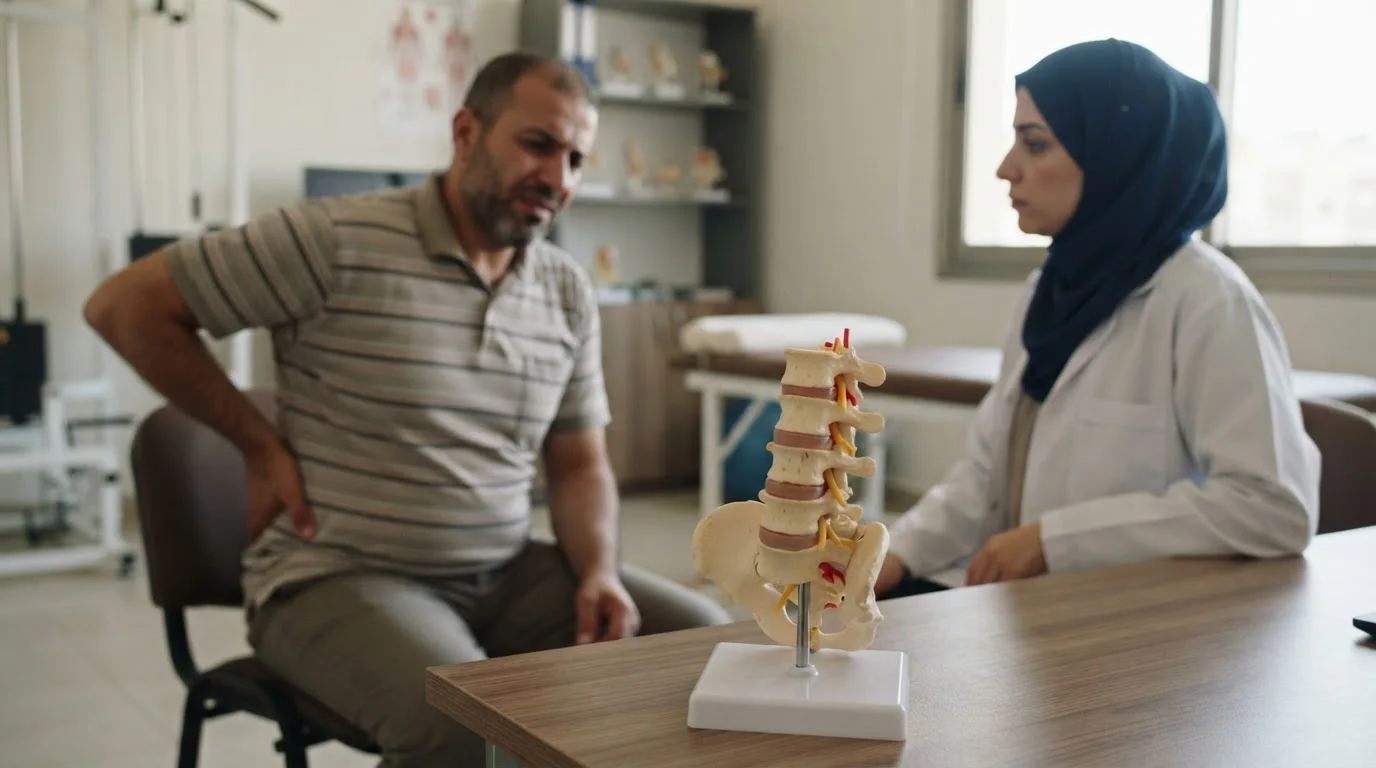
Between the spinal vertebrae are cartilage discs that act as shock absorbers. Each disc has a gel-like core surrounded by a fibrous ring. When the ring tears and part of the core protrudes, the disc presses on the adjacent nerve, causing pain and numbness. It is most common in the lower back, then the neck.
Causes and Risk Factors
- Aging and drying of the discs.
- Lifting heavy weights incorrectly.
- Prolonged sitting and poor posture.
- Obesity and weak back and abdominal muscles.
- Sudden movements and twisting.
- Smoking, which impairs disc nutrition.
Symptoms
- Lower-back disc: low-back pain radiating to the buttock and leg (sciatica), with numbness or weakness.
- Neck disc: neck pain radiating to the shoulder, arm, and hand with numbness.
- Pain worsened by coughing, sneezing, and prolonged sitting.
- Muscle weakness in more severe cases.
Red Flags Needing Urgent Care
Seek emergency care for: loss of bladder or bowel control, numbness in the saddle area, or severe progressive leg weakness — these may indicate dangerous nerve compression needing urgent surgery.
How Is It Diagnosed?
- Clinical exam, nerve and reflex tests.
- MRI: the most accurate test showing the disc and nerve.
- Nerve conduction studies in some cases.
Treatment
- Relative rest avoiding harmful movements (not prolonged complete rest).
- Medication: painkillers, anti-inflammatories, and sometimes muscle relaxants.
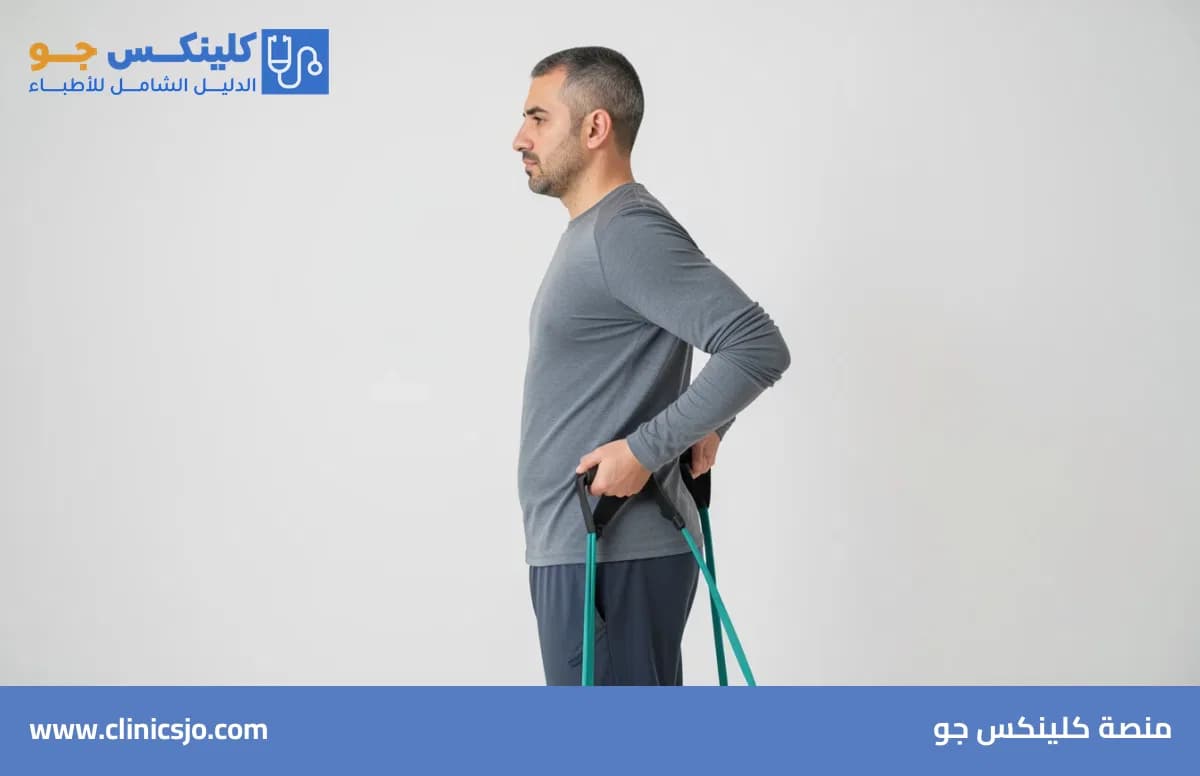
- Physiotherapy: back-strengthening and posture exercises — the cornerstone.
- Steroid injections around the nerve in selected cases.
- Surgery: reserved for failed treatment or progressive nerve weakness.
Medical tip: prolonged complete bed rest harms more than helps disc pain. Gradual movement and physiotherapy speed recovery and strengthen the back to prevent relapse.
Prevention
- Lift heavy objects by bending the knees, not the back.
- Maintain good sitting posture and take breaks.
- Strengthen back and abdominal muscles regularly.
- Keep a healthy weight and quit smoking.
When to See a Doctor
See an orthopedist for back or neck pain radiating to a limb with numbness or weakness, or pain not improving with rest and painkillers over weeks. Seek emergency care for the red flags above.
Frequently Asked Questions
Does a herniated disc always need surgery?
No, the vast majority improve with conservative treatment; surgery is for the minority who do not respond or have nerve weakness.
Can a herniated disc heal on its own?
In many cases nerve pressure recedes gradually over time with treatment, and symptoms ease.
To assess your condition and plan treatment, book with an orthopedist or a physiotherapist on ClinicsJo.