

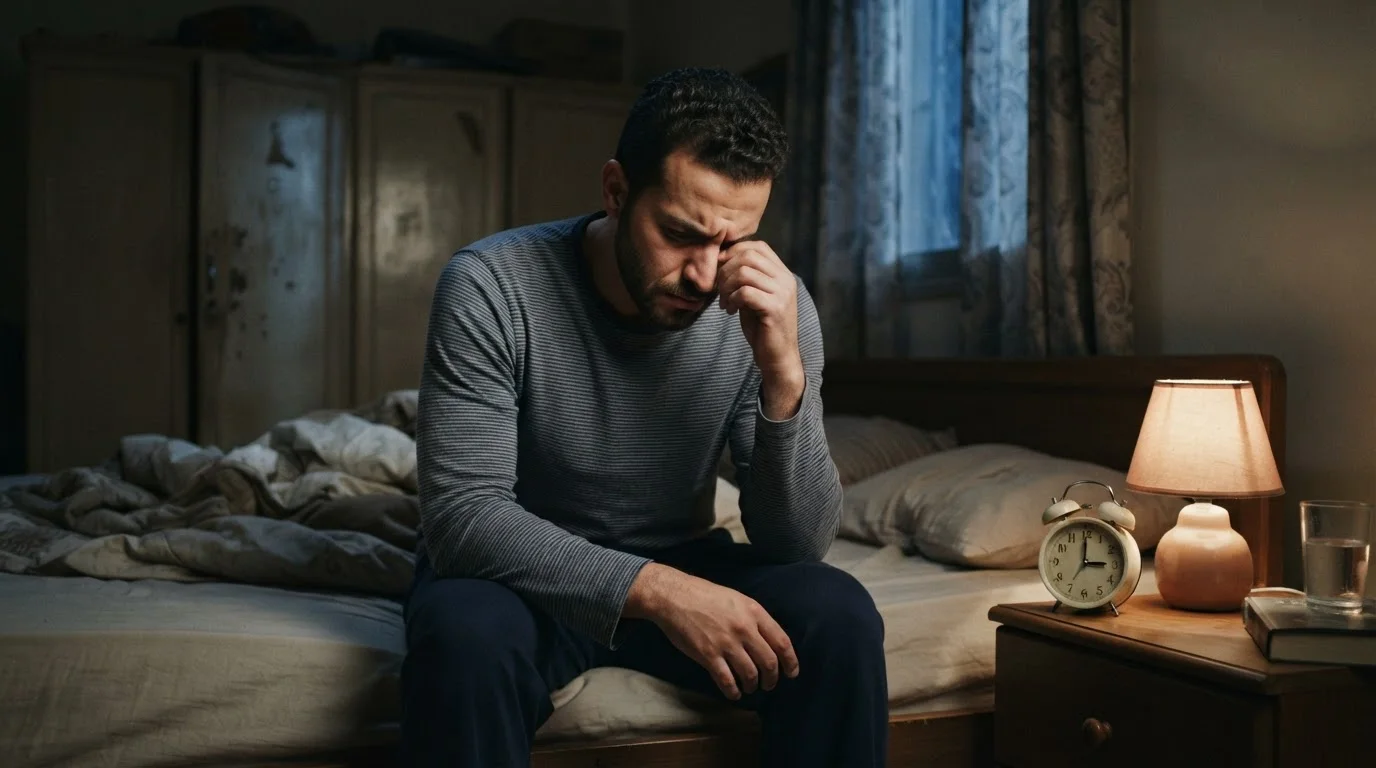
Insomnia has become a defining disease of our era, with millions struggling to sleep due to life pressures, screens, chronic anxiety, and irregular work patterns. Poor sleep is not a passing annoyance — it deeply affects the heart, mood, immunity, weight, and focus, and chronic sleep loss is now a public-health concern. The ClinicsJo Editorial Team offers a practical guide to restoring healthy sleep with proven, safe methods.
Sleep is not a luxury but a basic biological need during which the body repairs itself, memory consolidates, and hormones are regulated.
What Is Insomnia?
Insomnia is difficulty falling asleep, staying asleep, or waking too early without being able to return to sleep, despite having the opportunity. It leads to daytime tiredness, poor focus, and mood changes. It may be short-term (days or weeks tied to stress) or chronic (three nights a week or more for over three months).
Causes
- Stress, anxiety, and depression and overthinking at night.
- Excess caffeine and nicotine, especially after midday.
- Screens and blue light before bed, which suppress melatonin.
- Irregular sleep times and long naps.
- Chronic pain and some illnesses such as thyroid disorders and reflux.
- Other sleep disorders like apnea and restless legs.
- Certain medications and an uncomfortable sleep environment.
Risks of Chronic Sleep Loss
Chronic sleep deprivation raises the risk of high blood pressure, heart disease, diabetes, and obesity, weakens immunity, memory, and focus, and increases anxiety, depression, and drowsy-driving accidents. It also disturbs appetite hormones, promoting weight gain. Treating insomnia is an investment in your whole health.
Sleep Hygiene Rules
- Keep a fixed bedtime and wake time, even on weekends.
- Make the bedroom dark, quiet, and relatively cool.
- Avoid screens at least an hour before bed.
- Stop caffeine after midday and avoid heavy meals at night.
- Exercise during the day but not right before bed.
- If you do not sleep within 20 minutes, get up, do a calm activity, then return.
- Use the bed only for sleep.
- Get morning daylight to set your body clock.
Treatment
- Cognitive behavioral therapy for insomnia (CBT-I): the most effective and safest long-term treatment and the recommended first choice.
- Treating the cause: anxiety, depression, pain, or an underlying sleep disorder.
- Medication: used short-term and cautiously — not a permanent fix.
- Relaxation, meditation, and breathing exercises.
Medical tip: sleeping pills are not a cure for chronic insomnia and can lead to dependence. CBT-I outperforms medication long term without side effects and should be the foundation.
When to See a Doctor
See a doctor if insomnia lasts more than a few weeks and affects daily life, or comes with loud snoring and breathing pauses, or severe daytime sleepiness. A sleep disorder may need specific treatment.
Frequently Asked Questions
How many hours of sleep do I need?
Most adults need 7–9 hours, but sleep quality and feeling rested matter more than the number alone.
Are naps helpful or harmful?
A short nap (20 minutes) before late afternoon helps; long or late naps can spoil night sleep.
Is melatonin safe?
It may help in some cases (body-clock disorders, travel), but consult a doctor before regular use.
Does overthinking cause insomnia?
Yes, overthinking and worry are common causes; journaling before bed and relaxation help calm the mind.
If insomnia is exhausting you, book with a psychiatrist on ClinicsJo to assess and plan safe treatment.