

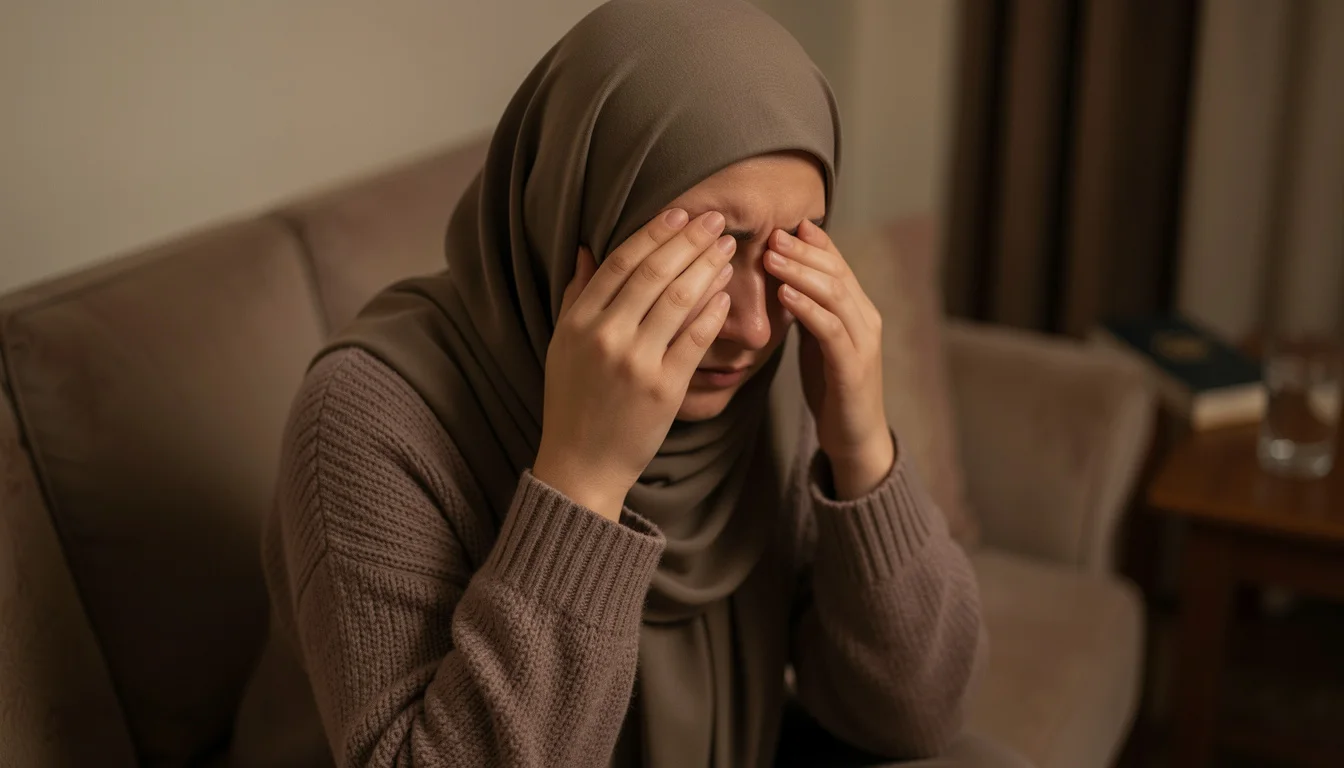
Migraine is not just a "severe headache" — it's a complex neurological disorder affecting 14% of the world's population, with women affected 3 times more than men. A severe attack can disable a patient for hours or days. The ClinicsJo Editorial Team reviews what you need to know.
What Is Migraine?
Migraine is a recurrent neurological disorder characterized by attacks of usually one-sided throbbing headache, accompanied by:
- Nausea and vomiting.
- Light sensitivity (photophobia).
- Sound sensitivity (phonophobia).
- Smell sensitivity.
- Severe post-attack fatigue.
The Four Phases of an Attack
1. Prodrome — hours to 2 days before
- Mood changes.
- Frequent yawning.
- Food cravings.
- Constipation or diarrhea.
- Neck stiffness.
2. Aura — in 25% of patients
Transient neurological symptoms lasting 20–60 minutes before headache:
- Visual disturbances (flashing, zigzag lines, partial vision loss).
- Face or hand numbness.
- Speech difficulty.
- Dizziness.
3. Headache — 4–72 hours
Severe throbbing pain with associated symptoms.
4. Postdrome — a day
Fatigue, mental fog, exhaustion.
Migraine Types
- With aura (classic migraine).
- Without aura (common migraine): most prevalent.
- Chronic migraine: >15 days monthly for over 3 months.
- Abdominal migraine: in children (recurrent abdominal pain).
- Vestibular migraine: with vertigo.
- Hemiplegic migraine: rare, causes temporary paralysis.
Common Triggers
Dietary
- Chocolate.
- Aged cheeses.
- Alcohol, especially red wine.
- Caffeine (excess or withdrawal).
- Processed meats (nitrates).
- Artificial sweeteners (aspartame).
- MSG (Chinese food).
- Citrus fruits.
- Walnuts and peanuts.
- Skipping meals.
Hormonal
- Menstruation.
- Birth control pills.
- Pregnancy.
- Menopause.
Environmental
- Bright light.
- Loud sounds.
- Strong odors (perfume, smoke).
- Weather changes and barometric pressure.
- Extreme heat.
Behavioral and Psychological
- Psychological stress.
- Too little or too much sleep.
- Intense physical effort.
- Dehydration.
- Travel and time zone changes.
Diagnosis
Usually clinical. Imaging (MRI, CT) is done to rule out other causes when:
- Very sudden, severe headache ("thunderclap").
- New headache after age 50.
- Change in headache pattern.
- Persistent neurological symptoms.
- Headache with fever and neck stiffness.
Acute Attack Treatment
1. Simple Painkillers (For Mild Attacks)
- Paracetamol 1000 mg.
- Ibuprofen 600–800 mg.
- Naproxen 500–1000 mg.
- Aspirin 900–1000 mg.
2. Triptans
Best option for moderate-to-severe attacks:
- Sumatriptan (Imigran).
- Rizatriptan (Maxalt).
- Eletriptan (Relpax).
- Zolmitriptan (Zomig).
Taken at pain onset. Contraindicated in cardiac and stroke patients.
3. CGRP Inhibitors (Modern Revolution)
- Gepants: rimegepant, ubrogepant — pills.
- Ditans: lasmiditan — pills.
Safe for cardiac patients; an excellent alternative to triptans.
4. Antiemetics
- Metoclopramide (Primperan).
- Domperidone.
- Ondansetron.
5. Ergotamine
Older, less used today.
Preventive Treatment (For Frequent Attacks)
Used for >4 attacks monthly or very severe attacks:
Traditional Medications
- Beta-blockers: propranolol, metoprolol.
- Antiepileptics: topiramate, valproate.
- Antidepressants: amitriptyline, venlafaxine.
- Calcium channel blockers: flunarizine.
- Candesartan.
CGRP Inhibitors (Injections)
- Erenumab (Aimovig).
- Galcanezumab (Emgality).
- Fremanezumab (Ajovy).
Given monthly or every 3 months. A revolution in chronic migraine treatment.
Botox
For chronic resistant migraine. Injections every 3 months.
Medical tip: Don't overuse painkillers. Painkiller overuse causes "medication overuse headache" — more frequent and severe attacks.
Non-Pharmacological Treatments
- Acupuncture.
- Biofeedback.
- Meditation and yoga.
- Cognitive behavioral therapy.
- Magnesium (400 mg daily).
- Riboflavin (400 mg daily).
- Coenzyme Q10.
- Ginger.
Lifestyle for Prevention
- Consistent sleep (7–9 hours).
- Regular meals.
- Adequate hydration.
- Regular moderate exercise.
- Stress reduction.
- Avoid personal triggers (headache diary).
- Reduce caffeine.
- Quit smoking.
If you have recurrent migraines, book an appointment with a neurologist or GP on ClinicsJo.