

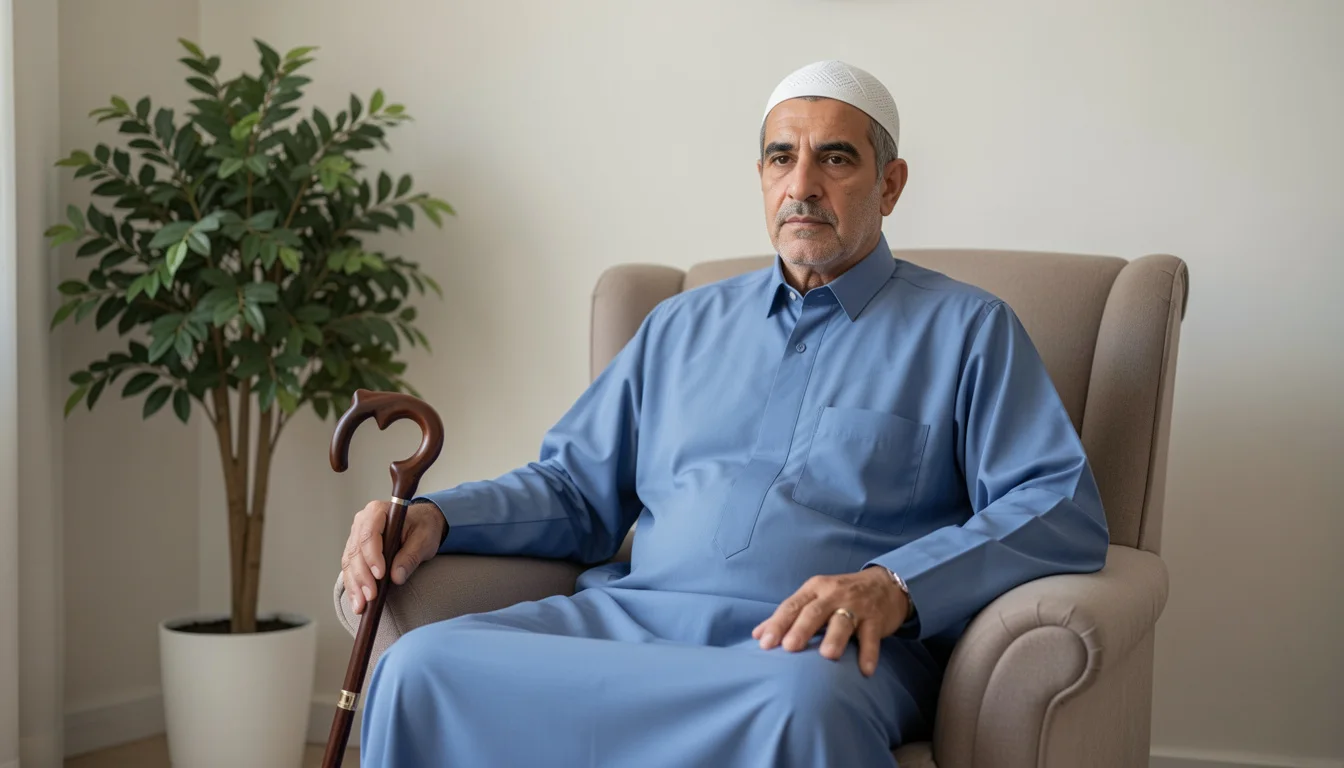
Parkinson disease, sometimes called "shaking palsy," is one of the most common movement disorders after Alzheimer and mainly affects older adults over 60, though it can appear earlier. Although it is a chronic, progressive disease with no definitive cure yet, modern treatments allow a good, active life for many years. The ClinicsJo Editorial Team offers a clear guide to understanding and managing it with confidence.
Fear of the disease is often greater than its reality; many patients keep their independence and activity for years with proper treatment and rehabilitation.
What Is Parkinson Disease?
Parkinson is a neurological disease affecting a deep brain region responsible for producing dopamine, which regulates smooth movement. As these cells gradually die, dopamine falls, movement control is disrupted, and the characteristic symptoms appear. Symptoms usually begin after a large portion of dopamine cells is lost, so they are gradual at first.
Symptoms
Motor Symptoms
- Tremor: especially in the hand at rest, easing with movement.
- Slowness of movement (bradykinesia).
- Muscle rigidity and pain.
- Impaired balance and gait with small shuffling steps and a stooped posture.
- Changed handwriting (small writing), reduced facial expression, and a softer voice.
Non-Motor Symptoms
- Sleep disturbance and early loss of smell.
- Chronic constipation.
- Depression, anxiety, and reduced motivation.
- Low blood pressure on standing.
Causes and Risk Factors
- The exact cause is unknown; genetic and environmental factors likely interact.
- Aging is the biggest factor.
- Chronic exposure to certain pesticides and toxins.
- Family history in some cases.
How Is It Diagnosed?
- Clinical neurological exam assessing the three motor signs.
- Response to Parkinson medication supports the diagnosis.
- Imaging to exclude other diseases.
Treatment
- Medications: chiefly levodopa, which greatly improves movement, plus dopamine agonists and supportive drugs.
- Deep brain stimulation (DBS): effective surgery for selected advanced cases.
- Physical, occupational, and speech therapy: essential to preserve movement, balance, and independence.
- Regular exercise, shown to slow decline and improve balance and mood.
Medical tip: movement is medicine for Parkinson patients. Regular exercise — walking, stretching, balance training, yoga, and dancing — preserves flexibility, reduces fall risk, and improves mood; the earlier you start, the greater the benefit.
Living With the Disease
- Take medication exactly on time to avoid "freezing."
- Make the home safe to prevent falls.
- Stay socially and mentally active with hobbies you enjoy.
- Eat fiber and drink water to manage constipation.
- Seek psychological support — depression is common and treatable.
When to See a Doctor
See a neurologist for a persistent hand tremor, slowness, rigidity, or changes in gait, handwriting, or facial expression. Early diagnosis greatly improves management.
Frequently Asked Questions
Is Parkinson fatal?
No, it is a chronic, progressive disease and not fatal in itself; with treatment patients live many years with good quality.
Does every hand tremor mean Parkinson?
No, there are other tremor types (such as essential tremor) that are less serious; the doctor distinguishes them.
Does medication stop working over time?
Response may change as the disease progresses, so the doctor adjusts doses and timing and adds options as needed.
To assess motor symptoms and plan treatment, book with a neurologist on ClinicsJo.