

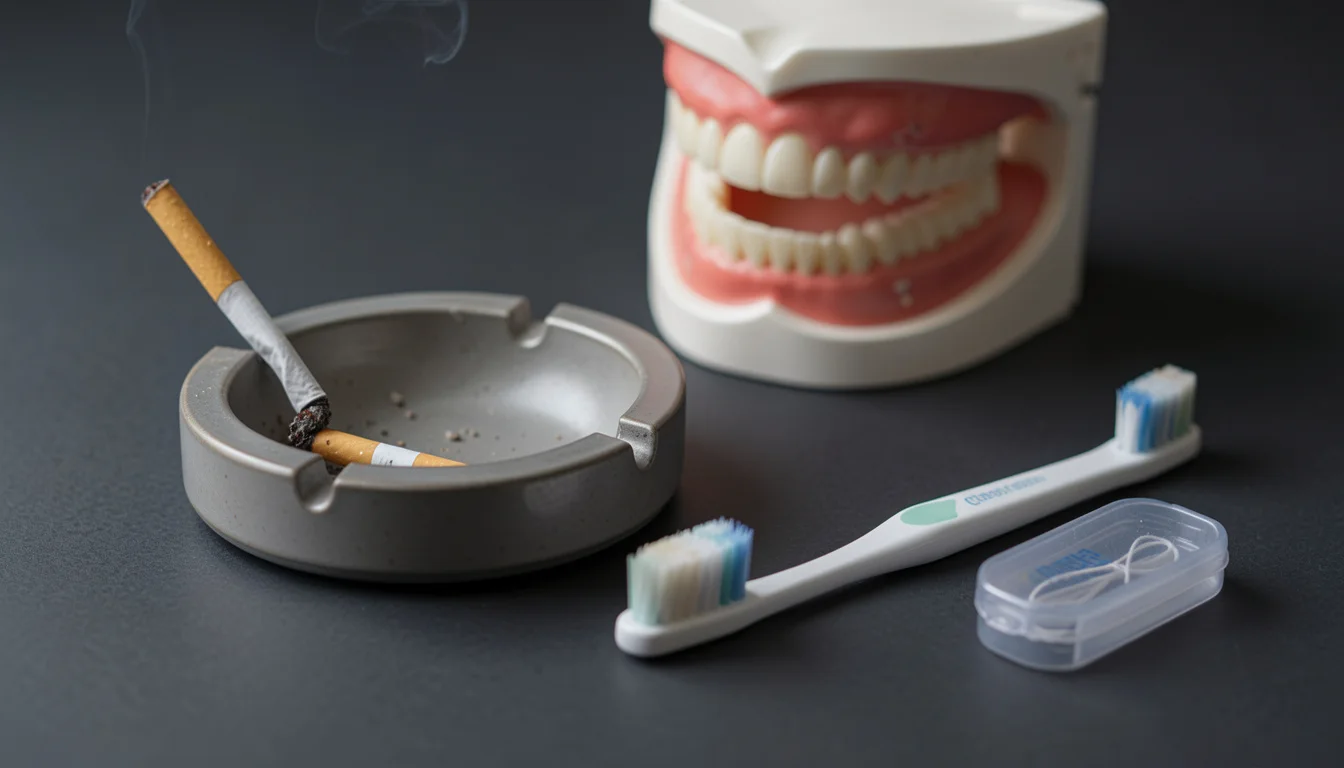
Smoking is enemy number one of teeth and gums. What many smokers don't realize is that the damage goes far beyond yellow teeth and bad breath — to serious diseases including oral cancer. The ClinicsJo Editorial Team reviews these effects and how the mouth recovers after quitting.
How Does Smoking Affect Your Mouth?
Cigarette smoke contains over 7,000 chemicals, 70 of which are known carcinogens. These chemicals:
- Cause dry mouth by reducing saliva.
- Weaken blood supply to the gums, reducing inflammation resistance.
- Suppress the oral immune system.
- Cause deep black staining of enamel.
- Disrupt beneficial oral bacteria and boost harmful ones.
- Reduce bone density around teeth.
Short-Term Damage
- Yellowing and staining of teeth.
- Persistent bad breath.
- Bitter or metallic taste.
- Mild gum inflammation.
- Mouth lining inflammation.
- Delayed wound healing.
Long-Term Damage
1. Chronic Gum Disease (Periodontitis)
Smokers are 3–6 times more likely to develop gum disease than non-smokers, and the disease progresses faster. The danger: nicotine constricts blood vessels and masks bleeding, so smokers don't notice the disease until it's advanced.
2. Tooth Loss
Smokers lose teeth at twice the rate of non-smokers, especially after age 40.
3. Implant Failure
Implant failure rate is 10–15% in smokers vs 2–3% in non-smokers. Many implantologists decline to place implants for smokers who haven't quit for at least 4 weeks.
4. Enamel Erosion and Decay
Smoke and heat create micro-cracks in enamel, and the combination of cigarettes plus frequent coffee damages teeth.
5. Recurrent Fungal Infections (Candida)
Smokers are more prone to oral fungal infections.
6. Impaired Wound Healing
After any procedure (extraction, surgery), a smoker's healing is slower and more prone to complications like dry socket.
Smoking and Oral Cancer
Smoking is the single biggest risk factor for oral cancer. The deadly combination is smoking + alcohol, which increases risk 30-fold. Key warning signs of oral cancer:
- A mouth ulcer that doesn't heal in 3 weeks.
- A persistent white (leukoplakia) or red (erythroplakia) patch.
- An unexplained lump or swelling.
- Pain or numbness in mouth or lip.
- Difficulty swallowing or speaking.
- Sudden tooth mobility.
- Unexplained bleeding.
Medical warning: Smokers over 40 should have a comprehensive oral cancer screening yearly. Early detection raises cure rates from 30% to 90%.
E-Cigarettes and Hookah: Safer?
- E-cigarettes: cause severe dry mouth, gum inflammation, and chemical exposure. Recent studies link them to gum disease and enamel erosion.
- Hookah (shisha): one session equals 100–200 cigarettes. Effects on the mouth are similar or worse than cigarettes due to prolonged exposure.
- Smokeless tobacco (snus): direct cause of oral cancer.
Recovery After Quitting — Timeline
- 24 hours: taste and smell start improving.
- 1 week: breath improves noticeably.
- 1 month: gums begin returning to natural pink color.
- 3 months: gum disease risk drops significantly.
- 1 year: tooth loss risk drops by half.
- 5 years: oral cancer risk approaches non-smokers.
- 10 years: oral cancer risk almost equals non-smokers.
How to Restore Your Smile After Quitting
- Deep professional cleaning: remove accumulated tartar and stains.
- Teeth whitening: after cleaning, surface yellow layers come off.
- Gum disease treatment: if it has developed.
- Restoration or implants: for any lost teeth.
- Regular follow-up: every 6 months instead of yearly.
Tips During the Quit Process
- Drink plenty of water to combat dry mouth.
- Chew sugar-free gum as a cigarette substitute.
- Brush immediately after meals.
- Reduce heavy coffee early on (strong trigger).
- Get support from a smoking cessation clinic.
- Reward yourself with a dental cleaning one month after quitting.
If you've decided to quit or want to restore your oral health, book an appointment with a dentist on ClinicsJo to start a comprehensive treatment plan.