

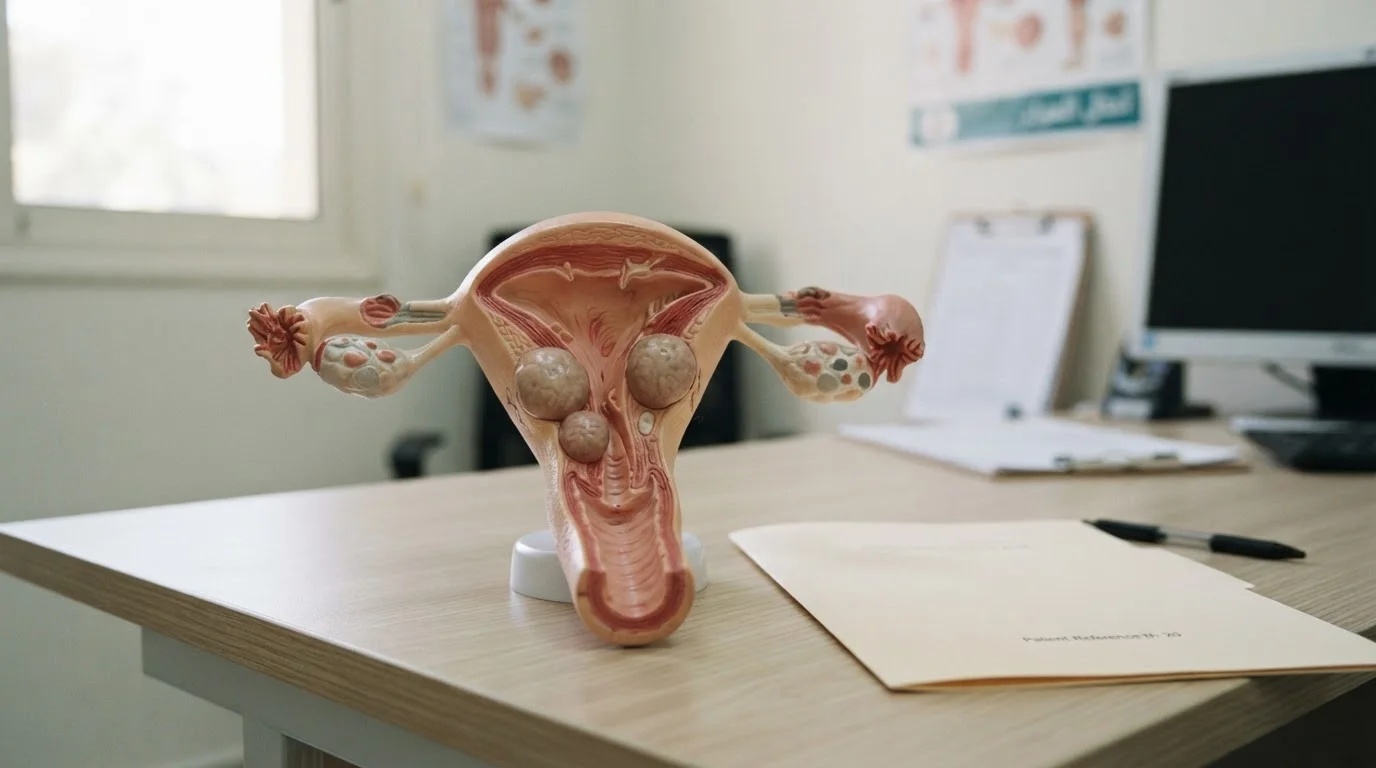
Uterine fibroids are among the most common benign tumors in women of reproductive age, and many do not know they have them because they may cause no symptoms. Although the word "tumor" is alarming, these are non-cancerous in the vast majority. The ClinicsJo Editorial Team offers this trusted guide.
What Are Uterine Fibroids?
Fibroids are growths arising from the smooth muscle of the uterine wall. They vary in size from a small seed to a large mass, and may be single or multiple. Their location (inside the cavity, in the wall, or outside) determines the symptoms. They are benign and rarely turn cancerous.
Symptoms
Many cause no symptoms, but when present they include:
- Heavy, prolonged periods that can cause anemia.
- Pelvic and lower-abdominal pain or heaviness.
- Frequent urination or constipation (from pressure on bladder or bowel).
- Pain during intercourse.
- Abdominal swelling.
- Sometimes delayed pregnancy or pregnancy complications depending on location.
Causes and Risk Factors
- Hormones (estrogen and progesterone) stimulate their growth.
- Family history.
- Age (more common in the 30s and 40s).
- Obesity and dietary factors.
- Never having given birth.
How Are They Diagnosed?
- Gynecological exam that may reveal an enlarged uterus.
- Ultrasound: the basic test to determine number, size, and location.
- MRI in selected cases before treatment.
Treatment
- Monitoring only: for small, symptomless fibroids.
- Medication: hormonal to reduce bleeding and symptoms or temporarily shrink the fibroid.
- Myomectomy: removing the fibroid while preserving the uterus, suitable for those wishing to conceive.
- Uterine artery embolization and other less-invasive techniques.
- Hysterectomy: a definitive solution in severe cases for those not wishing to conceive.
Medical tip: having a fibroid does not necessarily mean surgery is needed. Many small fibroids need only monitoring; the decision depends on symptoms and their impact on your life and fertility plans.
Fibroids and Pregnancy
Most affected women conceive and deliver normally, but some fibroids may affect fertility or raise the risk of certain complications depending on size and location. The plan is discussed with a gynecologist before and during pregnancy.
When to See a Doctor
See a gynecologist for bothersome heavy periods or anemia, persistent pelvic pain, bladder pressure, or delayed pregnancy. Evaluation determines whether fibroids are the cause and the best treatment.
Frequently Asked Questions
Are fibroids cancer?
No, the vast majority are benign and non-cancerous; malignant change is very rare.
Do they disappear on their own?
They may shrink after menopause as hormones fall, but usually do not disappear before that without treatment.
To assess your condition and discuss treatment options, book with a gynecologist on ClinicsJo.