
Varicose veins are a common problem affecting a large share of adults, especially women, appearing as swollen, twisted blue or purple veins under the skin. They are not just a cosmetic issue — they can cause bothersome symptoms and complications if neglected. The good news is that modern treatments are simple and minimally invasive. The ClinicsJo Editorial Team offers a practical guide.
What Are Varicose Veins?
Veins contain small valves that let blood flow toward the heart and prevent it flowing back down. When these valves weaken, blood pools in the leg veins, which enlarge and bulge under the skin as varicose veins. They appear mainly in the legs because of gravity during standing and walking.
Causes and Risk Factors
- Heredity: a family history greatly raises the risk.
- Prolonged standing or sitting: as in teaching, nursing, and barbering.
- Pregnancy: hormonal changes, increased blood volume, and uterine pressure.
- Obesity: increases pressure on leg veins.
- Aging and weakening vein walls.
- Female sex, due to hormones.
Symptoms
- Bulging, twisted blue or purple veins.
- Heaviness and tiredness in the legs, especially late in the day.
- Pain, burning, or night cramps.
- Swelling of the ankles and feet.
- Itching around the veins and skin color changes.
- In advanced cases: skin ulcers, bleeding, or vein inflammation.
Spider Veins
Besides large varicose veins, "spider veins" are thin red or blue capillaries near the skin surface. They are usually cosmetic and symptomless but may accompany deeper venous weakness worth assessing.
How Are They Diagnosed?
Diagnosis is based on clinical exam and confirmed by Duplex ultrasound, which assesses blood flow, detects weak valves, and rules out deep vein clots.
Treatment
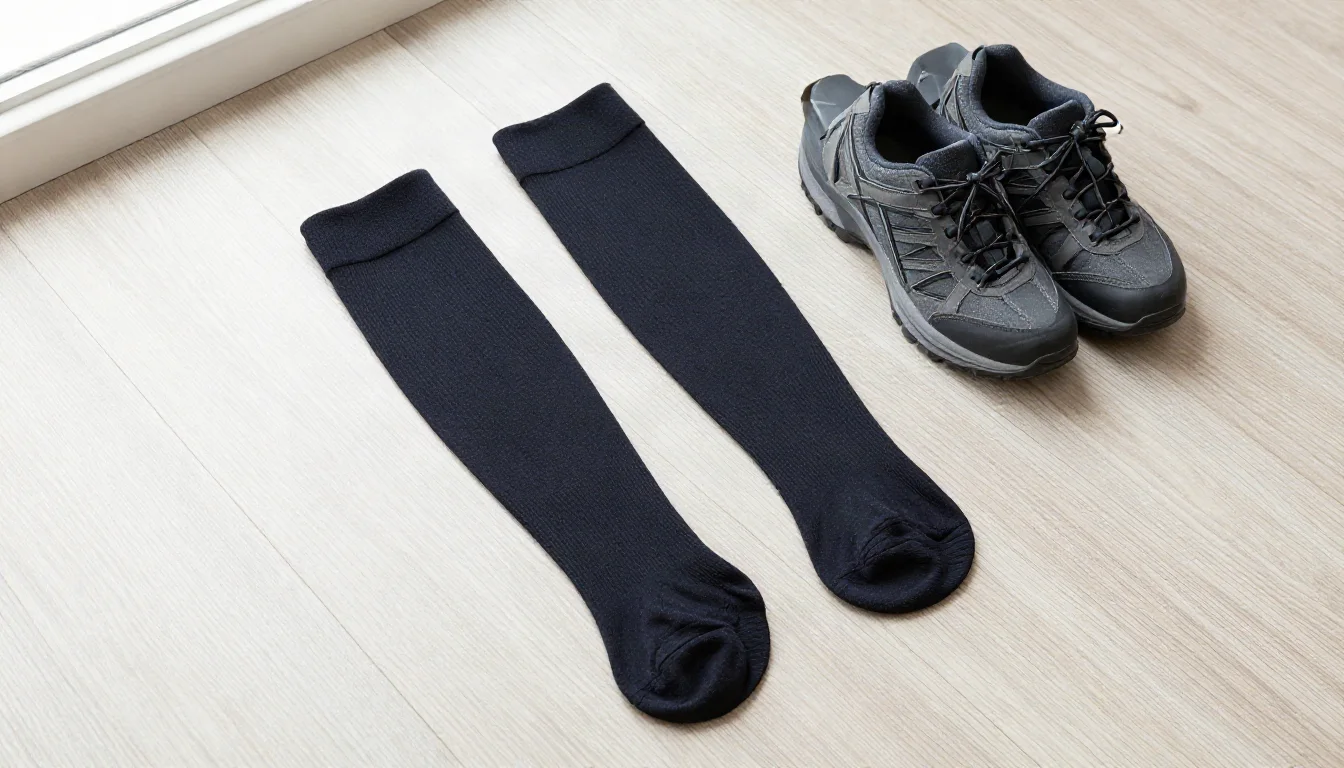
- Compression stockings: the first step to improve flow and ease symptoms.
- Lifestyle changes: leg elevation, movement, and weight loss.
- Sclerotherapy: injecting a solution to close small and medium veins.
- Endovenous laser or radiofrequency: a modern technique closing the affected vein without major surgery.
- Surgery to remove large veins in advanced cases.
Medical tip: if your job requires long standing, move your legs regularly and wear medical compression stockings. Simple movement activates the calf-muscle pump that pushes blood toward the heart.
Prevention
- Avoid prolonged standing or sitting without movement.
- Elevate your legs at rest.
- Walk and swim to boost circulation.
- Keep a healthy weight and avoid very tight clothing.
When to See a Doctor
See a doctor if veins cause pain, swelling, or skin color change, if bleeding or an ulcer develops, or if the appearance bothers you. Sudden swelling with severe pain in one leg may signal a clot and needs urgent care.
Frequently Asked Questions
Are varicose veins dangerous?
Most are not dangerous but are bothersome; a few may progress to ulcers or vein inflammation needing treatment.
Do they come back after treatment?
Treatment removes affected veins, but new ones can appear over time, so prevention and follow-up matter.
Do they disappear after childbirth?
Pregnancy-related veins may improve within months after delivery, and any remaining ones can be treated.
To assess your condition and choose the best treatment, book with a vascular doctor on ClinicsJo.