Treating burn scars and their consequences is a staged programme aimed at improving the pliability, colour and thickness of scar tissue and releasing tightness that limits a joint or distorts a feature. The realistic goal is better appearance and better function, not erasing the scar, because scar is permanent replacement tissue and never becomes normal skin again.
The plan depends on the scar. A flat, pale scar needs only moisturising and sun protection. A raised, red hypertrophic scar responds to pressure, silicone sheeting and, at the doctor's discretion, local injection. A keloid grows beyond the original wound edges and tends to recur if it is simply excised on its own. A contracture pulls on a joint, the neck or an eyelid and needs surgical release with grafting or flaps. Timing matters: scars usually mature over twelve to eighteen months and often improve on their own, so cosmetic surgery is rarely decided early unless function is threatened.
**First aid for a fresh burn shapes the scar that follows: stop the source of heat, hold the area under cool running water for twenty minutes, never use ice, toothpaste, oil, coffee or flour, do not burst blisters, remove jewellery and any clothing that is not stuck to the skin, and cover the burn with a clean non-adherent dressing. Burns of the face, hands, joints or genitals, burns encircling a whole limb, electrical or chemical burns, any burn with smoke inhalation or a hoarse voice, and burns in small children or older adults are emergencies and must not be treated at home.**
Care usually starts conservatively: pressure garments or dressings, silicone sheets or gel, moisturising and scar massage, range-of-motion exercises and splints to prevent contracture, and strict sun protection. Procedures may then be added, such as local injections for a hypertrophic scar, vascular laser to reduce redness, and fractional laser or microneedling to improve texture. Reconstructive surgery is reserved for contracture and tissue loss: releasing the tightness, skin grafting, local flaps, tissue expanders and autologous fat transfer, often across several stages over many months.
The limits are explicit. No treatment erases a scar and no result is guaranteed; a difference in colour and texture may remain permanently. Keloids can regrow and need combined treatment with follow-up. Laser does not create wholly new skin and does not treat contracture. Grafting exchanges one tissue for another and leaves the donor site with its own scar. Smoking, poor nutrition and uncontrolled blood sugar delay every stage. Candidacy and the timing of each stage are decided by clinical examination, not by reading.
1 specialists
Procedure steps
1
Assessing and documenting the scar
The doctor defines the scar type, age, area and depth, measures the range of motion of any affected joint, and asks about itching, tightness, pain and the impact on sleep, work and self-image. The area is photographed for comparison, and infection, chronic ulceration or a suspicious change needing biopsy is ruled out.
2
The early conservative phase
Pressure garments or dressings worn for most of the day are prescribed, together with silicone sheets or gel, daily moisturising and scar massage, and complete sun protection. Range-of-motion exercises and night splints are added to prevent contracture, and adherence is monitored, because the outcome of this phase decides how much surgery you may later need.
3
Non-surgical procedures
A local injection for a hypertrophic scar or keloid may be offered at the doctor's discretion, or vascular laser to reduce redness and itching, or fractional laser and microneedling to improve texture and pliability. These are done in spaced sessions, and response is judged from photographs and measurements before each further session.
4
Reconstructive surgery when needed
When a contracture limits movement or distorts an eyelid, the mouth or the neck, the tightness is released surgically and the defect is covered with a skin graft, a local flap or rearranged tissue. A tissue expander or autologous fat transfer may be used to improve contour, and the plan is often delivered in more than one operation months apart.
5
Rehabilitation and long-term follow-up
Physiotherapy, occupational therapy and splinting continue after each stage to protect what has been gained, while pressure, silicone and moisturising carry on until the scar matures. The result is reviewed every few months with photographs and measurements, new itching or ulceration is treated, and psychological support is offered, especially for scars on the face and hands.
Before the procedure
Tell the doctor how and when the burn happened and everything that has been applied to it, including ointments and home remedies, and list all your medicines and supplements, especially blood thinners and anti-inflammatories. Mention diabetes, anaemia or any immune problem, any tendency to form hypertrophic scars or keloids, and any allergy to dressings or antiseptics. Stop smoking before and after reconstructive surgery for the period your surgeon specifies, because smoking causes grafts to fail and delays healing. Before laser sessions avoid sun exposure and tanning of the area and stop skin-exfoliating products, and attend with no make-up or cream on the site. Bring earlier photographs of the scar if you have them, and ask how many sessions are expected and how many hours a day you will need to wear pressure garments.
After the procedure
Wear the pressure garment and silicone for the number of hours prescribed each day, because interrupting them lets the scar rise again. Moisturise two to three times a day and massage the healed scar gently, and follow the range-of-motion exercises and night splints exactly, since these are what stop a contracture returning. Protect the area from the sun with clothing and a high-factor sunscreen for at least a year, because exposure darkens a young scar in a way that can persist. Do not scratch the scar or burst small blisters, keep your nails short, and tell your doctor about severe itching because it can be treated.
**Contact your doctor immediately if there is: spreading redness, local heat, pus, a bad smell or fever; wound breakdown or a graft turning pale or dark; increasing pain not relieved by your painkiller; numbness, coldness or swelling of the limb under a pressure wrap; a chronic ulcer that will not heal, or a change or bleeding in an old scar; or a rapid loss of joint movement.** Numbness and coldness may mean the pressure is too tight, and any change in a long-standing scar needs assessment rather than waiting.
Expected duration
A laser or injection session usually takes 15 to 45 minutes and is repeated every four to eight weeks, contracture release with grafting takes one to three hours, and the pressure and silicone programme normally continues for six to twelve months until the scar matures.
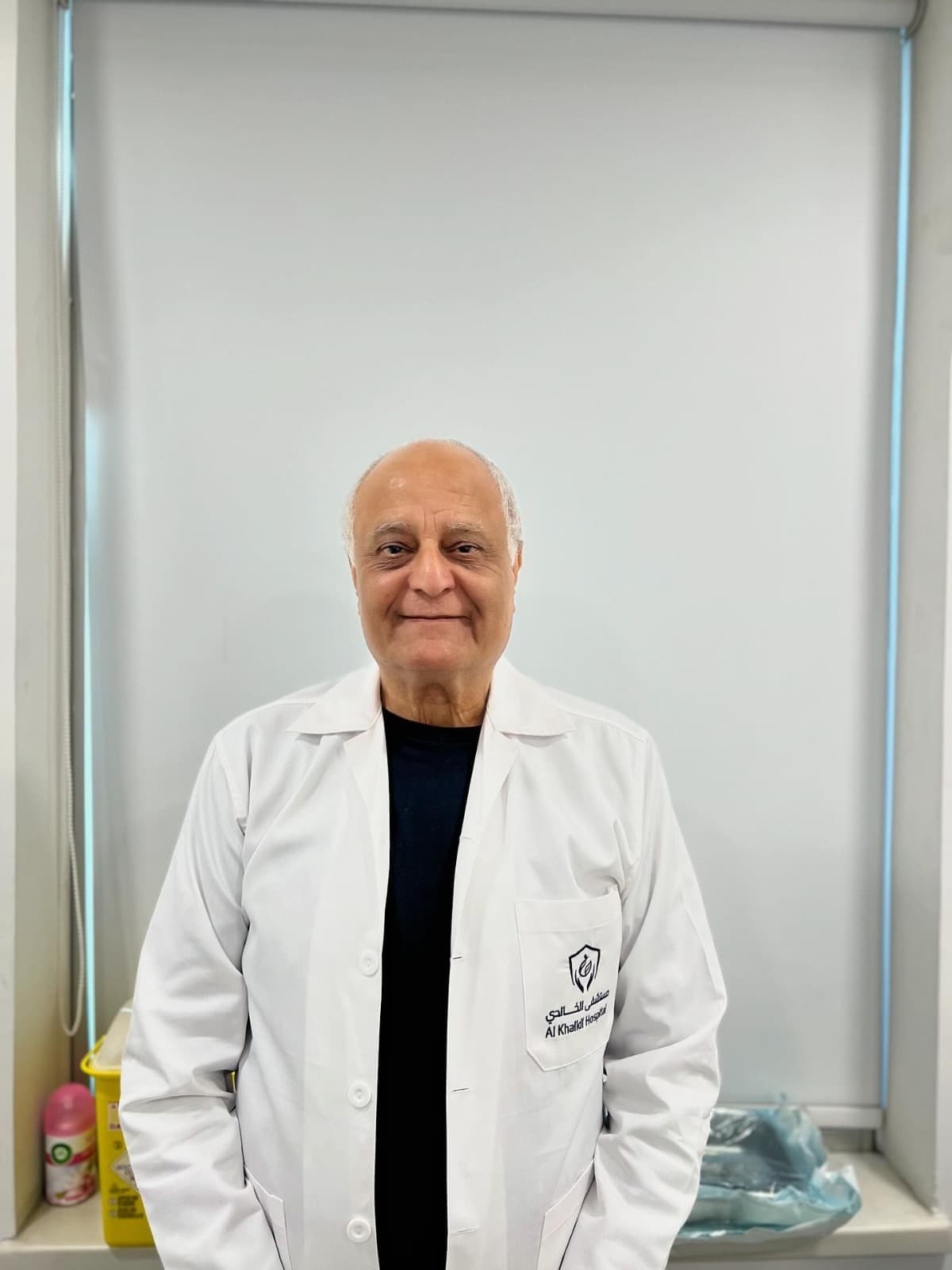
Ahmad Dawood is a consultant plastic and reconstructive surgeon with Jordanian Board certification in plastic surgery and a medical degree from the University o…
Which doctors are listed for Burn scars treatment in Jordan?
There are currently 1 doctor profiles linked to Burn scars treatment on ClinicsJo. Review the listed services and contact the practice to confirm availability with the doctor and branch you choose.
How can I find an appointment for Burn scars treatment?
Start with an available doctor's profile and use the contact or booking options shown there. Confirm the service, practice location and appointment time with the clinic. If this list is empty, broaden your search using the directory links on this page.
What does Burn scars treatment cost in Jordan?
Ask the practice for the current price and what it includes. A consultation fee shown on a profile is not necessarily the price of a procedure, tests or follow-up. Confirm any additional charges and insurance arrangements before your visit.
Explore related Reconstructive & Burn Surgery doctor directories