Lung Biopsy Doctors in Jordan — A woman sitting upright while experiencing breathing difficulty — directory of the best Lung Biopsy doctors in Jordan
Treatment·Pulmonology

Lung Biopsy Doctors in Jordan

خزعة الرئة

A lung biopsy removes a small piece of lung tissue, or of a nodule inside the lung, so it can be examined under the microscope and the nature of the abnormality identified precisely: inflammation, infection, scarring, or abnormal cells. It is requested when imaging, blood tests, and lung function studies cannot settle a diagnosis firmly enough to base treatment on, because very different diseases can look alike on a scan while requiring entirely different management.

Samples can be obtained in several ways. A fine needle may be passed through the chest wall guided by computed tomography or ultrasound; a bronchoscope may be passed through the mouth or nose into the airways to sample from within the lung or from neighbouring lymph nodes; or a surgical biopsy may be taken through keyhole chest surgery when a larger piece of tissue is needed or the lesion sits where less invasive routes cannot reach. The route is chosen according to the position and size of the lesion, lung function, and clotting status, and is decided by clinical assessment and review of the images rather than by patient preference.

The limits matter. A biopsy is diagnostic, not therapeutic: it does not remove or treat the lesion and does not slow its growth. Its result is not always conclusive either. A sample can come back inadequate or non-specific, so it may have to be repeated or approached differently, and a negative result does not fully exclude disease because the needle can land beside the target rather than in it. For that reason a biopsy is always interpreted together with the imaging and the clinical picture.

The most frequent complication is air leaking into the space around the lung, a pneumothorax, which occasionally needs a drain. Minor bleeding or briefly blood-streaked sputum is also possible. These risks are explained before consent and weighed against the harm of remaining undiagnosed or taking long treatment without proof.

2 specialists

Procedure steps

  1. 1

    Reviewing images and choosing the route

    The physician reviews the CT scan, the position of the lesion and its relation to blood vessels and airways, together with lung function, clotting tests, and other conditions. On that basis the route with the lowest risk and the highest chance of an adequate sample is selected, and you are told what the alternative was and why it was not chosen.

  2. 2

    Preparation and consent

    The benefits and possible complications are explained and consent is signed. Anticoagulants and antiplatelet drugs are planned in advance: they may need to be paused for a set interval or substituted, and that decision belongs to the doctor who prescribed them, not to you. Fasting for several hours is required if sedation or anaesthesia is planned.

  3. 3

    Anaesthesia and guidance

    For a needle biopsy the skin is cleaned and numbed with local anaesthetic, with light intravenous sedation if needed, while a surgical biopsy is done under general anaesthesia. Your vital signs and oxygen are monitored, the entry point is marked using imaging, and you are given clear breathing instructions to follow at the moment the needle is advanced.

  4. 4

    Taking and sending the sample

    One or more samples are taken depending on need and lesion size, and a pathologist may check adequacy on the spot. Specimens are divided between histology, bacterial and tuberculosis cultures, and any special tests the suspicion requires, because repeating a biopsy later is far harder than dividing the material correctly now.

  5. 5

    Observation and post-procedure imaging

    You stay under observation for several hours with oxygen and pulse monitoring, and a chest X-ray is taken after an interval to check for an air leak. A small pneumothorax is usually watched, while a large one is drained. Before discharge you are told the warning signs and when the result is expected, which is typically several days.

Before the procedure

Tell the team about every anticoagulant, antiplatelet drug, painkiller, and herbal supplement you take, since some increase bleeding, and never stop a medication on your own — only the prescriber should change it. Report drug allergies or reactions to contrast dye, kidney disease, diabetes, heart disease, and any possibility of pregnancy. Complete the requested clotting studies and blood count before the appointment and bring the results along with earlier scans, ideally on a disc. Follow the fasting instructions if sedation or general anaesthesia is planned, and avoid smoking beforehand. Arrange someone to bring you and take you home, do not drive that day, plan a rest day afterwards, and avoid air travel immediately after the procedure until your doctor clears it.

After the procedure

Expect mild soreness at the puncture site that responds to a simple painkiller approved by your doctor, and possibly one or two episodes of blood-streaked sputum that then stop. Rest for the remainder of the day and avoid heavy lifting, strenuous exercise, and air travel until your doctor permits them. Leave the dressing in place until the time you were told, and keep the site clean and dry. Note when the result is due and do not start any treatment on guesswork before it arrives. Go to the emergency department immediately for sudden severe breathlessness or sharp chest pain that worsens on breathing in, which may mean a collapsed lung or a pulmonary embolism. Seek emergency care for heavy or repeated coughing of red blood, blue lips, or breathlessness that stops you finishing a sentence. Also seek urgent review for high fever or shaking chills, crackling swelling under the skin of the chest or neck, or continued bleeding from the puncture site.

Expected duration

A needle biopsy through the chest wall usually takes 20 to 40 minutes, a bronchoscopic biopsy about 30 to 60 minutes, and a keyhole surgical biopsy an hour or more under general anaesthesia. Several hours of monitoring and a post-procedure chest X-ray are added, and results normally take a few days.

Doctors who provide Lung Biopsy

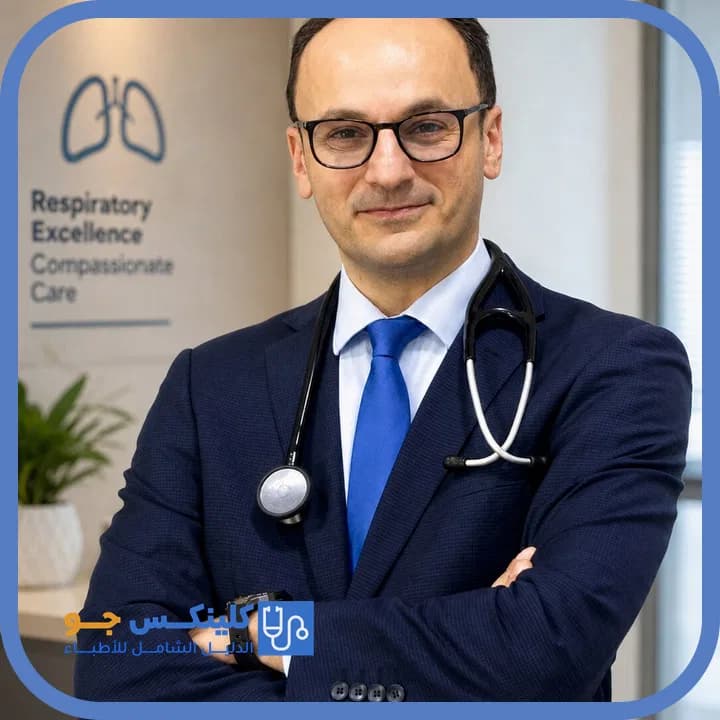
Dr Ahmad AlKhyat Pulmonology and Sleep Medicine Clinic

Dr Ahmad Al Khyat is a specialist in pulmonary medicine, allergy and internal medicine in Amman. He graduated from the Hashemite University and holds Jordanian …

Sign in to the platform to view the phone number
324 viewsHours 12:30–19:00 · 6 days a weekAccepts health insuranceAccepted insurers
Dr. Mohammad Hassan Saeed Al Tarawneh Clinic

Dr. Mohammad Hassan Saeed Al Tarawneh practices pulmonary, respiratory, allergy and sleep medicine. His scope includes asthma, COPD and lung fibrosis assessment…

Sign in to the platform to view the phone number
260 viewsHours 11:00–17:00 · 6 days a weekInsurance not specified

Finding Lung Biopsy services in Jordan

Which doctors are listed for Lung Biopsy in Jordan?

There are currently 2 doctor profiles linked to Lung Biopsy on ClinicsJo. Review the listed services and contact the practice to confirm availability with the doctor and branch you choose.

How can I find an appointment for Lung Biopsy?

Start with an available doctor's profile and use the contact or booking options shown there. Confirm the service, practice location and appointment time with the clinic. If this list is empty, broaden your search using the directory links on this page.

What does Lung Biopsy cost in Jordan?

Ask the practice for the current price and what it includes. A consultation fee shown on a profile is not necessarily the price of a procedure, tests or follow-up. Confirm any additional charges and insurance arrangements before your visit.

How much does Lung Biopsy cost in Jordan?

No clinic on ClinicsJo has published a price for Lung Biopsy yet, so we do not quote an estimated figure. What is published is the consultation fee: 20–30 JOD (profiles: 9). The doctor sets the treatment price after assessing your case.

What clinics and doctors have published on ClinicsJo

Other doctor profiles with a published fee: 4.

What sets the price of Lung Biopsy?

  • The exact test and the equipment used
  • Whether the price includes the doctor's report and reading
  • Contrast dye, sedation or special preparation
  • Whether a referral or a consultation is needed first
  • Insurance coverage and your share of the cost

Expected duration (from the procedure guide): A needle biopsy through the chest wall usually takes 20 to 40 minutes, a bronchoscopic biopsy about 30 to 60 minutes, and a keyhole surgical biopsy an hour or more under general anaesthesia. Several hours of monitoring and a post-procedure chest X-ray are added, and results normally take a few days.

How to ask about the price

Before booking, ask the clinic for the all-inclusive price and what it covers, any extra tests or scans, how many follow-up visits are included, the payment options, and whether your insurance is accepted. You can reach them through the contact details on the doctor and clinic profiles on this page.

The figures above were published by the clinics and doctors themselves on ClinicsJo and may change. We do not estimate prices. Confirm the all-inclusive price with the clinic before booking. Offers on ClinicsJo