
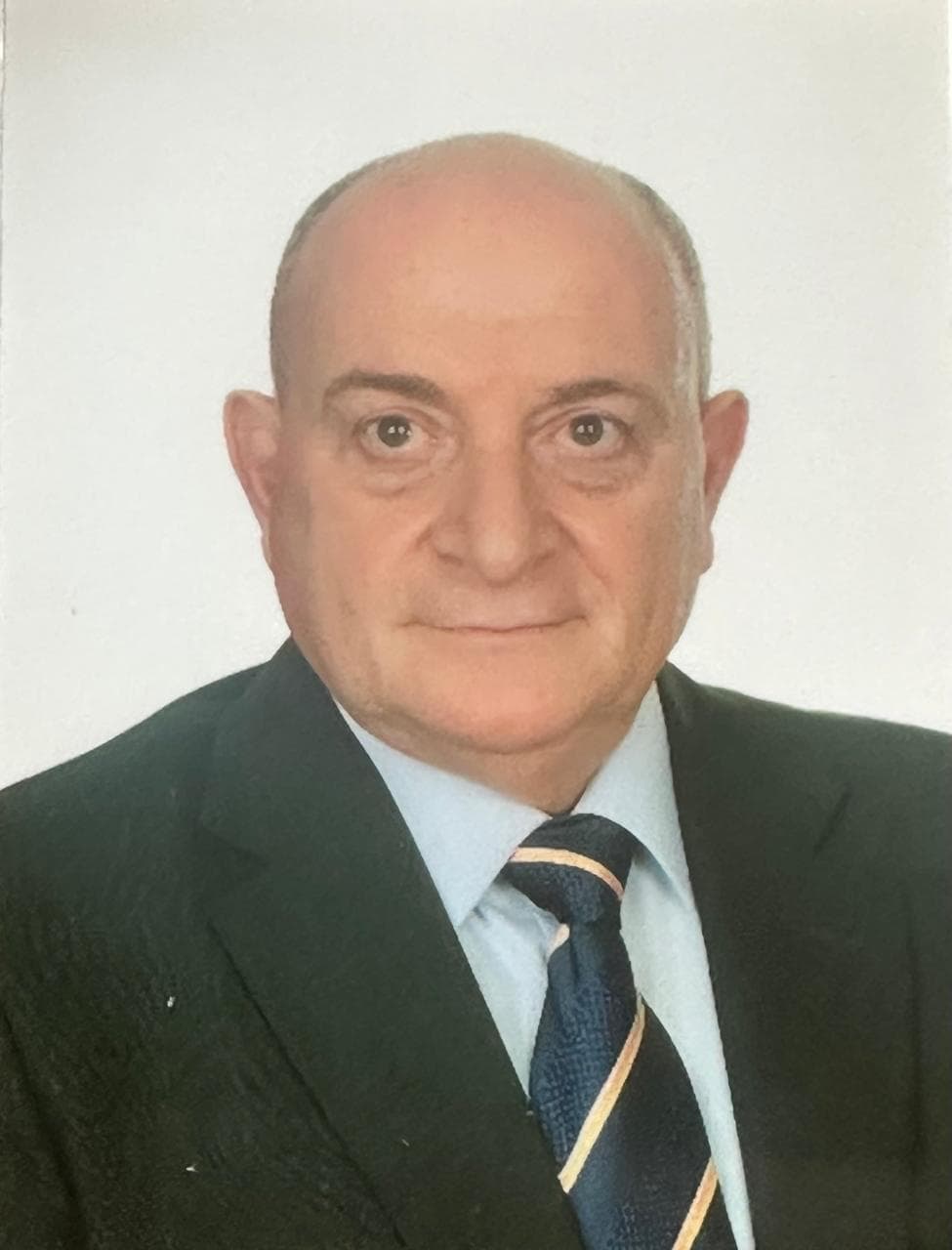
Al Khalidi Medical Plaza
Dr. Yousef Jamal Zureikat is a senior consultant in cardiac and thoracic surgery. His qualifications include the Jordanian Board in cardiac and thoracic surgery…
Hours not listedInsurance not specified18 views
Trusted medical platform in Jordan

Open heart surgery is not a single operation but a description of the route the surgeon takes: the chest wall is opened, usually through an incision down the middle of the breastbone, to reach the heart and great vessels directly, and the patient is most often connected to a cardiopulmonary bypass machine that temporarily takes over the work of the heart and lungs so the surgeon can operate on a still heart. Very different operations fall under this heading, including coronary artery bypass, valve repair or replacement, aortic surgery, correction of congenital defects and removal of cardiac tumours. A common confusion is worth clearing up. The name does not necessarily mean the heart itself is cut open: some procedures are performed on its surface or its vessels, and some are done with the heart still beating and without the bypass machine. Cardiac catheterisation, stenting and transcatheter valve implantation are not open heart surgery, because they are performed through a blood vessel without opening the chest. There are also minimally invasive approaches that reach the heart through a small incision between the ribs or a partial sternal incision; these do not suit every patient or every procedure, and the team decides on them rather than patient preference alone. In practical terms, the patient receives full general anaesthesia, a breathing tube, a urinary catheter, and chest drains that are removed in the first days, followed by usually one or two days in intensive care and then several days on the ward with graduated walking and breathing exercises. Full recovery is gradual: the breastbone needs weeks to unite, and fatigue, poor sleep, mood swings and reduced concentration are common in the early weeks and improve. Supervised cardiac rehabilitation is part of the treatment, not an optional extra. The limits are explicit. Surgery corrects a mechanical fault or an obstruction, and it does not abolish the disease that led to it. It does not stop atherosclerosis, it does not restore heart muscle that has scarred after an infarction, and it is no substitute for medication or for controlling blood pressure, blood sugar, lipids and weight, or for stopping smoking. It is also not always the first option: many conditions are treated by catheter or by medication, and comparing the options is the heart team's task after imaging and measurement, not the outcome of reading or general opinion. Like any major operation it carries risks, which are explained to you individually before consent. They vary considerably with age, heart, kidney and lung function, the number of previous operations and the nature of the procedure, and they are always weighed against the risk of not operating. Ask for the alternative to each option to be explained, along with what can and cannot be expected, and write your questions down beforehand rather than leaving the clinic without understanding the plan.
The first step is defining exactly what your heart needs: coronary arteries, a valve, the aorta, or a congenital defect. The surgical option is then compared with catheter treatment and medication within the heart team, because open heart surgery is a route, not a diagnosis.
Blood tests, a chest radiograph, echocardiography, kidney and lung function assessment, dental and carotid evaluation where indicated, adjustment of cardiac and diabetes medication by the team, coaching in breathing exercises, and a detailed explanation of risks and alternatives before consent.
Full general anaesthesia with a breathing tube and continuous monitoring of pressure and rhythm, then an incision down the middle of the breastbone and its division, or a smaller incision in minimally invasive approaches, followed by opening the sac around the heart to reach it.
The patient is usually placed on cardiopulmonary bypass and the heart is temporarily arrested with a protective solution, after which the planned procedure is carried out. In selected cases the work is done with the heart beating. The result is verified before the heart resumes its function.
The breastbone is closed with wires and drains are placed, followed by a day or two in intensive care with rhythm and fluid monitoring, several days on the ward, and then a supervised cardiac rehabilitation programme along with sternal movement restrictions for several weeks.
**Do not stop an antiplatelet drug, an anticoagulant or any cardiac medication on your own before the operation; whether to stop or continue it is a joint decision of your cardiologist and surgeon.** Give the team a complete list of your medicines, supplements and herbal products, as some supplements increase bleeding. Report diabetes, kidney or lung disease, sleep apnoea, any previous heart or chest operation, and any drug allergy. Complete the tests and imaging and a dental assessment if requested, and treat any oral infection before the date. Stop smoking immediately, practise deep breathing and coughing while supporting your chest with a pillow, and improve your diet and walking as far as your condition allows. Fast according to the anaesthetist's instructions, shower with the prescribed antiseptic, arrange someone to help you during the first recovery weeks, and write your questions down.
Keep to the sternal restrictions for several weeks as your surgeon directs: do not lift, push or pull loads, do not push up on your arms to rise from a bed or chair, brace your chest with a pillow or your arms when coughing or sneezing, and do not drive or swim until you are cleared. Walk daily with gradually increasing distance, do the breathing exercises you were taught, weigh yourself every morning, and inspect and clean the wound exactly as instructed without applying anything of your own. Take all your medicines on time and stop none of them yourself, attend cardiac rehabilitation, and keep blood pressure, blood sugar and lipids controlled. Do not return to smoking. Fatigue, poor sleep and mood swings are common in the first weeks; talk about them rather than ignoring them. **Go to emergency care immediately for new chest pain or sudden breathlessness, fluid or pus draining from the chest wound or a sensation of movement or clicking in the breastbone, persistent high fever, a fast irregular heartbeat with dizziness or fainting, painful swelling of one leg, rapid weight gain with swollen feet and breathlessness lying flat, coughing up blood, or sudden limb weakness or slurred speech.**
Usually 3 to 6 hours in the operating room depending on the procedure, with additional time for preparation, anaesthesia and waking up.
Dr. Yousef Jamal Zureikat is a senior consultant in cardiac and thoracic surgery. His qualifications include the Jordanian Board in cardiac and thoracic surgery…
There are currently 1 doctor profiles linked to Open Heart Surgery on ClinicsJo. Review the listed services and contact the practice to confirm availability with the doctor and branch you choose.
Start with an available doctor's profile and use the contact or booking options shown there. Confirm the service, practice location and appointment time with the clinic. If this list is empty, broaden your search using the directory links on this page.
Ask the practice for the current price and what it includes. A consultation fee shown on a profile is not necessarily the price of a procedure, tests or follow-up. Confirm any additional charges and insurance arrangements before your visit.