
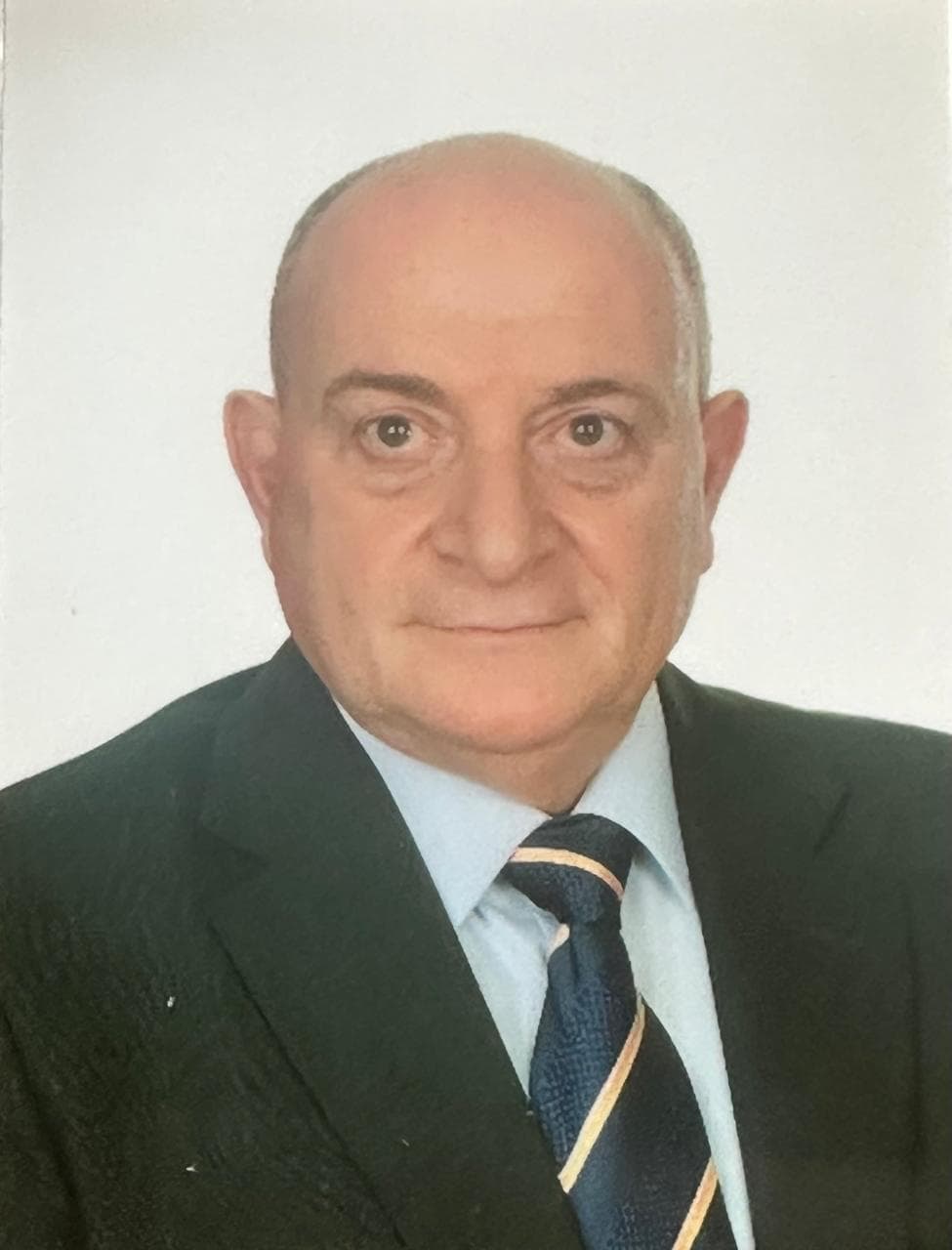
Al Khalidi Medical Plaza
Dr. Yousef Jamal Zureikat is a senior consultant in cardiac and thoracic surgery. His qualifications include the Jordanian Board in cardiac and thoracic surgery…
Hours not listedInsurance not specified7 views
Trusted medical platform in Jordan

Heart valve repair surgery means reconstructing and preserving the patient's own valve instead of replacing it with a prosthesis. The surgeon restores the valve's shape and function using techniques such as tightening its annulus with a prosthetic ring, resecting and reshaping a prolapsing leaflet, repairing the chordae or replacing them with artificial sutures, separating fused leaflets, or removing limited calcification. The aim is a valve that closes and opens as it should, so backward leakage stops or an obstruction to flow is relieved. Repair is most often considered in mitral regurgitation when the anatomy is favourable, and also in selected cases involving the tricuspid valve and in chosen patients with aortic valve disease. Repairability is judged on detailed echocardiography, both transthoracic and transoesophageal, together with assessment of the severity of regurgitation, ventricular size and function, and pulmonary artery pressure. The assessment may be completed in the operating room once the valve is seen directly. The advantage of repair is that it keeps native tissue and natural valve motion, and in selected patients it may avoid the lifelong anticoagulation that a mechanical prosthesis requires. This is an advantage the team evaluates individually for each patient rather than a general promise. The operation is performed under general anaesthesia with cardiopulmonary bypass, through a breastbone incision or, in selected cases decided by the team according to anatomy and any additional procedures, through a smaller access. The limits are explicit. Not every valve can be repaired: heavy calcification, extensive leaflet destruction, or damage caused by endocarditis may make replacement necessary, and this decision can be taken during the operation once the valve is inspected, which is why it is explained before consent. Repair does not guarantee that regurgitation will never return, and some patients need a further intervention later. It does not treat heart muscle weakness that developed beforehand, it does not by itself correct established atrial fibrillation, and it does not remove the need for lifelong echocardiographic follow-up. After any valve procedure, dental health becomes part of heart health: always tell your dentist what was done, treat any oral infection early, and take any prolonged unexplained fever seriously. Candidacy and timing are set by examination, echocardiography and the heart team's decision, not by reading about it or by a relative's experience.
The valve is studied with transthoracic and transoesophageal echocardiography to define the exact mechanism of failure, whether leaflet prolapse, a ruptured chord, annular dilatation or calcification, alongside ventricular size and function, pulmonary pressure and the best timing for intervention.
Blood tests, a chest radiograph and coronary assessment where indicated are completed, a dental examination is requested and any infection or abscess treated before surgery to reduce the risk of endocarditis, medications are optimised, and the timing of anticoagulants is set by the team.
Under full general anaesthesia and close monitoring the patient is placed on cardiopulmonary bypass and the heart is temporarily arrested with a protective solution. The atrium or aorta is then opened to reach the valve, through a sternal incision or a smaller access in selected cases.
The valve is reconstructed according to the mechanism of failure, with an annuloplasty ring, leaflet reshaping, chordal repair or release of fused tissue. The valve is then tested by fluid injection and by transoesophageal echocardiography before leaving the operating room, and if the repair is inadequate it is revised or the valve is replaced.
After discharge, periodic echocardiograms are scheduled to monitor the durability of the repair, ventricular function and pulmonary pressure, alongside medication adjustment, endocarditis prevention, and rhythm surveillance for atrial fibrillation that may need separate treatment.
**Do not stop any anticoagulant or antiplatelet drug on your own; stopping or temporarily switching it is a joint decision of your cardiologist and surgeon, and some patients need bridging cover during the transition.** Give the team a full list of your medicines and supplements, and report any previous endocarditis, rheumatic fever, earlier cardiac surgery or an implanted pacemaker. Have a dental examination and treat any infection or abscess before the date, since this lowers the risk of endocarditis after surgery. Stop smoking, keep blood sugar controlled, and practise breathing exercises and coughing while supporting your chest. Fast according to the anaesthetist's instructions, shower with the prescribed antiseptic, and bring your reports, previous echocardiogram discs and a companion.
Protect your breastbone for several weeks as your surgeon directs: do not lift, push or pull, do not push up on your arms to stand, brace your chest when coughing, and do not drive until cleared. Walk daily with gradually increasing distance, weigh yourself every morning, and inspect and clean the wound as instructed. Take all your medicines on time and stop none of them yourself; if an anticoagulant has been prescribed, keep strictly to the blood tests and their schedule and tell every doctor and dentist about it before any procedure. Look after your teeth and gums, because after valve surgery oral care becomes cardiac prevention. Attend your echocardiogram appointments even when you feel well. **Go to emergency care immediately for persistent fever, night sweats or unexplained fatigue, which may indicate endocarditis; sudden breathlessness or breathlessness when lying flat; a fast irregular heartbeat with dizziness or fainting; new chest pain; fluid or pus from the chest wound or clicking in the breastbone; abnormal bleeding or black stools while on an anticoagulant; or sudden weakness in a limb or slurred speech.**
Usually 3 to 5 hours, and longer for a complex repair or a concurrent coronary or second valve procedure.
Dr. Yousef Jamal Zureikat is a senior consultant in cardiac and thoracic surgery. His qualifications include the Jordanian Board in cardiac and thoracic surgery…
There are currently 1 doctor profiles linked to Heart Valve Repair Surgery on ClinicsJo. Review the listed services and contact the practice to confirm availability with the doctor and branch you choose.
Start with an available doctor's profile and use the contact or booking options shown there. Confirm the service, practice location and appointment time with the clinic. If this list is empty, broaden your search using the directory links on this page.
Ask the practice for the current price and what it includes. A consultation fee shown on a profile is not necessarily the price of a procedure, tests or follow-up. Confirm any additional charges and insurance arrangements before your visit.