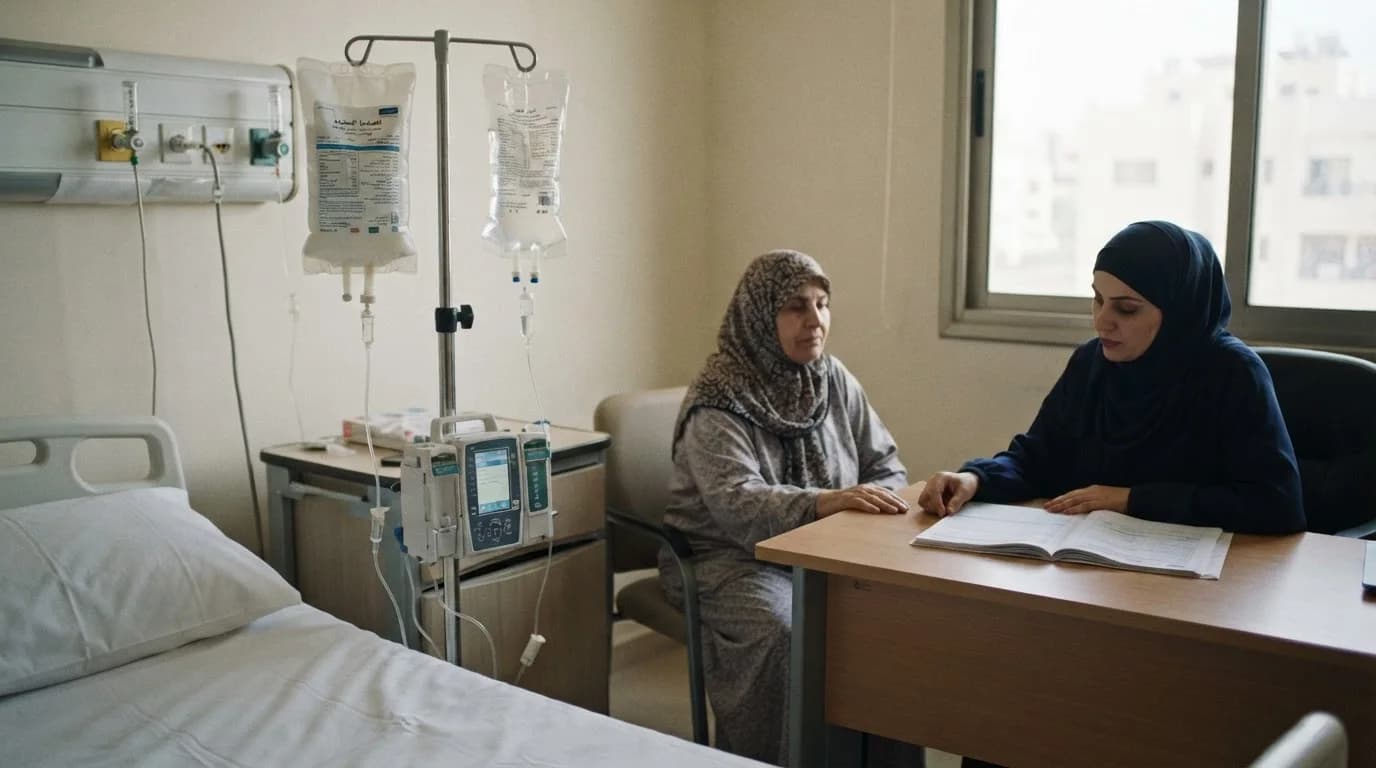
Medical weight management treats excess weight as a chronic health condition with multiple causes, not a matter of willpower. Weight gain results from an interaction of genetic, hormonal, medication, sleep, stress, food-environment and activity factors — which is why repeated crash diets fail: they drop weight quickly, then it returns, often with more, because none of the causes were addressed.
A medical plan begins with assessment rather than a diet: weight, height and waist circumference, and tests that reveal what may impede loss or need treatment in its own right — **thyroid function, insulin resistance and diabetes, polycystic ovary syndrome, blood lipids, fatty liver, vitamin D** — plus a medication review, since some drugs cause weight gain. Sleep and snoring are also asked about, because obstructive sleep apnoea impedes weight loss and affects the heart.
The plan is then built on pillars that work together: **a reasonable, sustainable calorie deficit** rather than starvation; adequate protein to preserve muscle mass; physical activity combining walking with resistance training (the most neglected element — resistance work preserves muscle so metabolism stays better); sleep regulation; and addressing emotional eating. Medication prescribed by a physician may be added in defined situations, or bariatric surgery considered for those who meet its criteria.
The right measure of success is not the scale alone: losing 5 to 10 per cent of body weight **and maintaining it** meaningfully improves blood sugar, blood pressure, lipids, fatty liver, joint pain and sleep. A sustainable pace beats a fast one, and weeks of a weight plateau are a normal stage, not failure.
1 specialists
Procedure steps
1
Medical assessment and identifying obstacles
Body measurements plus thyroid, glucose, insulin, lipid, liver-function and vitamin D testing, a full medication review, and questions about sleep and snoring.
2
Setting a realistic, maintainable goal
A percentage-based goal is set (5–10 per cent first) at a reasonable pace, with success criteria explained to include laboratory values, blood pressure and sleep — not the scale alone.
3
A habit-based nutrition plan
A sustainable calorie deficit with adequate protein and fibre and meal timing that fits the patient’s actual day, without eliminating whole food groups that cannot be sustained.
4
Activity including resistance training
Regular graded walking with resistance training two to three times weekly to preserve muscle mass — the most neglected element and the most important for durable results.
5
Follow-up and plan adjustment
Periodic reviews measure progress and adjust the plan at plateaus, address emotional eating, and consider medication or surgery where indicated.
Before the procedure
Bring a complete list of medications and supplements — some antidepressants, antiepileptics, corticosteroids, beta-blockers and diabetes drugs cause weight gain and may be substitutable with a lighter equivalent at your physician’s decision. Bring previous test results and record your current and highest weight, your history of previous attempts, and what worked and what did not. Note your sleep, snoring and any daytime sleepiness. Record honestly what you actually eat for three days before the visit — this is the most useful thing you can bring. **Ask why losing weight is difficult in your specific case** rather than asking for a general diet.
After the procedure
Do not measure yourself by the daily scale alone — track waist circumference, energy, sleep and periodic laboratory values. Expect plateaus lasting weeks; these are a normal metabolic stage, not a collapse of the plan, and the response is adjusting the plan rather than starving. Do not cut protein or stop resistance training as you lose weight — they are what preserve muscle and metabolism. Sleep regularly and sufficiently, since sleep deprivation raises appetite hormonally. Watch for dizziness, severe fatigue, hair loss, menstrual disturbance, palpitations or gallstones with rapid loss — and review with your physician. **Seek urgent review for fainting, severe palpitations, chest pain, persistent vomiting, severe abdominal pain, or rapid unintended weight loss.**
Expected duration
First visit about 45–60 minutes; the programme is ongoing with reviews every two to four weeks
Dr Saher Sadeq Al Safarini is a consultant in endocrinology and diabetes who sees adults and children aged one year and older in Shmeisani. He studied medicine …
Which doctors are listed for Weight loss in Jordan?
There are currently 1 doctor profiles linked to Weight loss on ClinicsJo. Review the listed services and contact the practice to confirm availability with the doctor and branch you choose.
How can I find an appointment for Weight loss?
Start with an available doctor's profile and use the contact or booking options shown there. Confirm the service, practice location and appointment time with the clinic. If this list is empty, broaden your search using the directory links on this page.
What does Weight loss cost in Jordan?
Ask the practice for the current price and what it includes. A consultation fee shown on a profile is not necessarily the price of a procedure, tests or follow-up. Confirm any additional charges and insurance arrangements before your visit.
Explore related Obesity & Metabolism doctor directories