Dr. Mustafa Ramadan Clinic
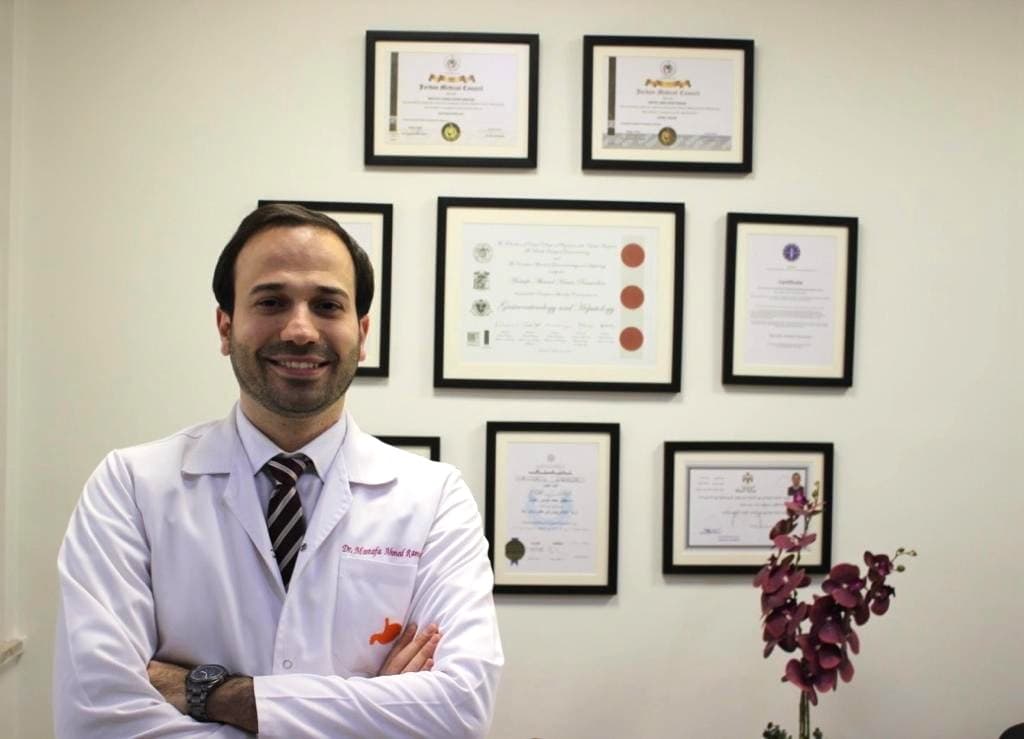
Dr. Mustafa Ramadan specializes in gastroenterology, hepatology and endoscopy. His practice includes assessment of abdominal pain and stomach and bowel disorder…
Hours not listedInsurance not specified8 views
Trusted medical platform in Jordan

Colonoscopy is an examination in which a thin, flexible tube carrying a camera and light is passed through the anus so the inner surface of the rectum and the whole colon, up to its junction with the small intestine, can be displayed on a screen. It is usually performed under intravenous sedation, and most patients recall little or nothing of the examination. The strength of the technique is that it can look and act at the same time: taking biopsies, removing polyps, stopping bleeding and dilating a narrowing. Its greatest value is preventive rather than purely diagnostic. Most colorectal cancers begin as a small benign polyp that changes slowly over years, and removing those polyps during the examination prevents them from turning into cancer later. Colonoscopy therefore does not only detect disease, it eliminates the risk arising from those particular polyps. The type and number of polyps found determine when the next examination is due, which is why the interval is never left to personal judgement. Some warning signs must not be managed with a laxative or an ointment and must not wait: rectal bleeding or blood in the stool, unexplained weight loss, a persistent change in bowel habit such as new diarrhoea, new constipation or narrowing of the stool, and iron-deficiency anaemia with no clear cause, along with new persistent abdominal pain or a close family history of colorectal cancer. Any of these warrants prompt review by a gastroenterologist. Two beliefs deserve correcting. The first is that colonoscopy is extremely painful; in reality intravenous sedation makes it tolerable for the great majority, and what patients usually report is bloating afterwards rather than pain during. The second is that normal blood tests mean no colonoscopy is needed; in reality blood tests, stool tests and ultrasound cannot see a polyp, an ulcer or an early tumour, and all of them can be normal while a significant polyp is present. Only endoscopy can see, biopsy and remove. The limits are equally clear. Colonoscopy does not examine the stomach or oesophagus, which require a separate upper endoscopy, it sees only the very beginning of the small bowel, and it does not treat irritable bowel syndrome or functional bloating. A normal result is not permanent immunity and does not exclude functional causes of symptoms. Finally, the quality of bowel preparation is the single biggest determinant of the examination's value, and an unclean colon may mean repeating it entirely. Suitability and timing are decided by clinical assessment.
The indication, your symptoms, family history, chronic conditions and medications are reviewed, particularly blood thinners and diabetes drugs. The sedation plan is explained and the most suitable bowel preparation is chosen.
You move to a low-fibre diet, then clear fluids, and drink the cleansing solution in full at the times specified. This step is the biggest determinant of quality, because any residue can hide small polyps.
An intravenous line is placed and sedation is given so you are comfortable and usually do not recall the examination, with pulse, oxygen and blood pressure monitored throughout. This is why an escort is required and driving is not allowed that day.
The scope is advanced gently with gas insufflation to open the lumen until the end of the colon is reached, then the wall is inspected meticulously during slow withdrawal, since this is when most polyps are detected.
Polyps are removed, biopsies are taken from suspicious areas and any bleeding is treated, with all tissue sent to the laboratory. You then recover under observation, a report of the findings is issued, and the next examination interval is set once pathology returns.
Preparation is the biggest determinant of examination quality: an unclean colon hides small polyps and may force the whole test to be repeated. Follow the low-fibre diet you are given, avoiding seeds, grains, legumes, raw vegetables and unpeeled fruit, then move to clear fluids in the final stage and avoid red colouring. Drink the cleansing solution in full and at the specified times; splitting it into two doses usually gives a better view, and drinking half of it is not enough. Tell your doctor about all your medicines, especially blood thinners and anticoagulants, diabetes medicines and iron tablets, as some are stopped or adjusted before the test. Also mention pregnancy, heart or lung disease, a heart valve, a pacemaker or any drug allergy. Fasting before sedation is mandatory. Arrange an adult escort to take you home, because driving is not permitted after sedation.
Bloating, wind and mild cramps are normal afterwards and settle with walking and passing gas, and you may see a small amount of blood once if a biopsy was taken or a polyp removed. Start with fluids, then light food as instructed, and drink well to replace the fluid lost during preparation. Seek emergency care immediately for heavy or repeated rectal bleeding, severe or increasing abdominal pain, a distended or rigid abdomen, fever and chills, dizziness or fainting, or repeated vomiting: these can indicate bleeding or perforation, rare but real complications that should not wait until morning. Do not drive, operate machinery or sign important documents on the day of sedation, and do not spend that night alone. If a polyp was removed, avoid strenuous exertion and heavy lifting for a few days and remember that bleeding can be delayed. Restart blood thinners on the date your doctor sets, and return for your pathology result and next interval.
Usually 20 to 45 minutes for the examination itself, plus one to two hours of recovery and observation before discharge.
Dr. Mustafa Ramadan specializes in gastroenterology, hepatology and endoscopy. His practice includes assessment of abdominal pain and stomach and bowel disorder…
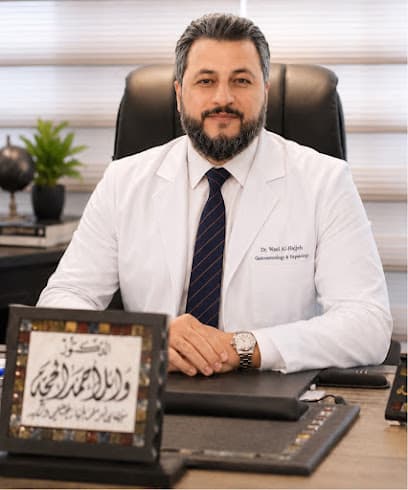
Dr. Wael Ahmed Al Hajeh provides gastroenterology, hepatology and endoscopy care alongside internal medicine consultations. His published practice includes dige…
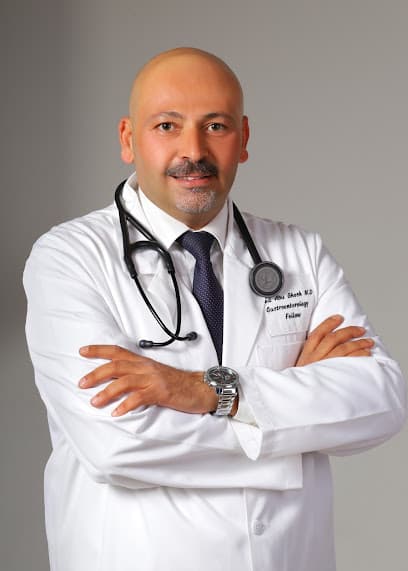
Dr. Raed Abu Ghosh is a consultant in gastroenterology and hepatology whose practice combines clinical follow-up with diagnostic and therapeutic endoscopy. His …
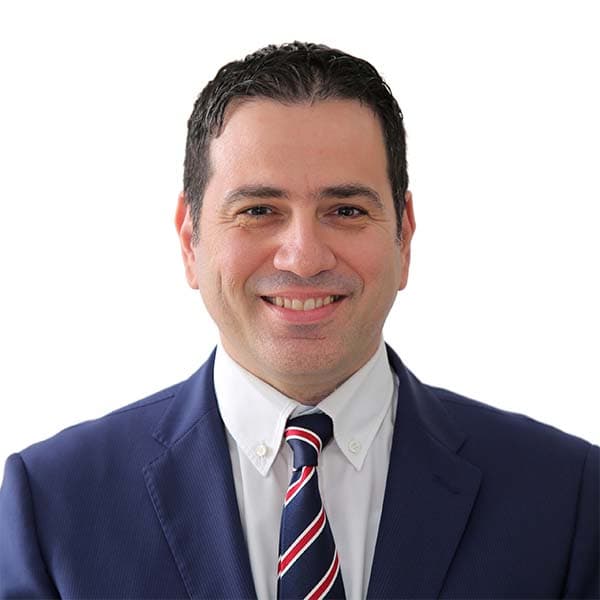
Dr Mohammad Mahmoud Rashid is a consultant in gastroenterology, hepatology and endoscopy with British postgraduate qualifications. His clinical work covers live…
There are currently 4 doctor profiles linked to Colonoscopy on ClinicsJo. Review the listed services and contact the practice to confirm availability with the doctor and branch you choose.
Start with an available doctor's profile and use the contact or booking options shown there. Confirm the service, practice location and appointment time with the clinic. If this list is empty, broaden your search using the directory links on this page.
Ask the practice for the current price and what it includes. A consultation fee shown on a profile is not necessarily the price of a procedure, tests or follow-up. Confirm any additional charges and insurance arrangements before your visit.