Gastroscopy, also called upper endoscopy, is an examination in which a thin flexible tube carrying a camera and light is passed through the mouth to display the lining of the oesophagus, stomach and first part of the small intestine on a screen. It is usually performed under intravenous sedation with local anaesthetic to the throat, and it allows treatment in the same session: taking biopsies, stopping bleeding, dilating a narrowing, removing a foreign body and banding varices.
The commonest indications are heartburn or upper abdominal pain that has not responded to treatment, difficulty or pain on swallowing, repeated vomiting or vomiting of blood, black stools, iron-deficiency anaemia with no clear cause, unexplained weight loss, suspected Helicobacter pylori infection, follow-up of an ulcer or Barrett's oesophagus, and assessment for coeliac disease. It shows detail no other test provides: an ulcer and its margins, oesophagitis and its severity, and early mucosal change.
Two beliefs need correcting. The first is that gastroscopy is extremely painful; in reality intravenous sedation means most patients recall nothing, pain is not an expected part of the procedure, and the usual complaint is a scratchy throat for a day. The second is that normal blood tests remove the need for endoscopy; in reality blood tests and ultrasound cannot see an ulcer, oesophagitis or an early tumour, and they can be entirely normal in someone with a bleeding ulcer. Only endoscopy can look, biopsy and treat.
The limits are equally clear. Gastroscopy does not examine the colon, which needs a separate procedure, it does not see most of the small bowel, and it does not assess the gallbladder, pancreas or liver, which belong to ultrasound, endoscopic ultrasound and MRI. It does not treat irritable bowel syndrome or functional bloating, and a normal result does not mean the symptoms are imaginary; it may mean the cause is functional and needs a different kind of treatment, which is itself a useful result that changes the plan.
Whether and when to perform the test is decided by clinical assessment and a review of your medications, not by reading an article. Because sedation is used, you need an adult escort and must not drive for the rest of that day.
1 specialists
Procedure steps
1
Assessment and explanation
Your symptoms, chronic conditions and medications are reviewed, particularly blood thinners and acid-suppressing drugs. The sedation plan, expected benefit and possible risks are explained and informed consent is taken.
2
Fasting and sedation
Fasting from food and fluids for the stated period is required, because retained food obscures the view and increases the risk of aspiration. An intravenous line is placed and sedation is given, with local anaesthetic sprayed to the throat.
3
Insertion and systematic inspection
You lie on your left side with a mouthguard, and the scope is passed gently as you swallow. A little gas is insufflated to open the lumen, and the oesophagus, stomach and duodenum are inspected in a systematic order with images recorded.
4
Biopsies and therapeutic work
Small biopsies are taken with forceps passed through the working channel, which is not painful, and sent to the laboratory. Where needed, bleeding is treated, a narrowing is dilated, varices are banded, or a foreign body is removed in the same session.
5
Recovery and reporting
You are monitored until the sedation wears off, and fluids then food are restarted with the team's approval once throat sensation has returned. A report of the findings is issued, and the treatment plan and timing of the biopsy result are explained.
Before the procedure
Fasting is the core of preparation here: take nothing by mouth for the period the unit specifies, because food left in the stomach obscures the view and increases the risk of aspiration during sedation. Tell your doctor about all your medications, especially blood thinners, anticoagulants, diabetes drugs and iron tablets. If the test is being done to assess Helicobacter pylori, you may be asked to stop strong acid-suppressing medicines and antibiotics for a period set by your doctor, because continuing them can mask the organism and produce a falsely negative result. Also mention pregnancy, drug allergies, heart or lung disease, a heart valve, a pacemaker, or previous stomach surgery. Remove dentures before entering the room, wear comfortable clothing, and arrange an adult escort to take you home, since driving is not allowed after sedation.
After the procedure
A scratchy throat, bloating and wind are normal for a while and usually settle within a day or two. Do not eat or drink until full sensation returns to your throat after the local anaesthetic, then start with lukewarm fluids and soft food. Seek emergency care immediately for vomiting blood or coffee-ground material, black tarry stools, severe persistent chest or upper abdominal pain, pain that worsens on swallowing, breathlessness, fever, a distended or rigid abdomen, or dizziness and fainting. These indicate bleeding or perforation, which are rare after endoscopy but do occur and need urgent assessment. Do not drive, operate machinery or sign important documents on the day of sedation, and do not spend that night alone. Restart blood thinners exactly when your doctor specifies, and return for your biopsy result and treatment plan; do not assume that resolution of symptoms makes that unnecessary.
Expected duration
Usually 10 to 20 minutes for the examination itself, plus 30 to 60 minutes of recovery and observation before discharge.
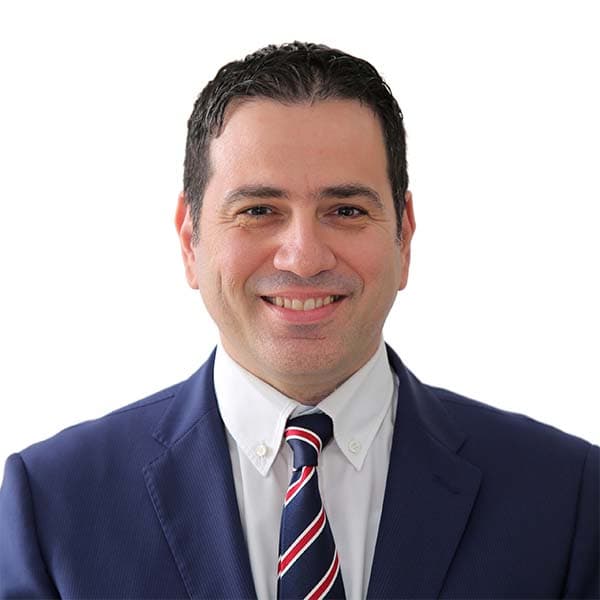
Dr Mohammad Mahmoud Rashid is a consultant in gastroenterology, hepatology and endoscopy with British postgraduate qualifications. His clinical work covers live…
Which doctors are listed for Gastroscopy in Jordan?
There are currently 1 doctor profiles linked to Gastroscopy on ClinicsJo. Review the listed services and contact the practice to confirm availability with the doctor and branch you choose.
How can I find an appointment for Gastroscopy?
Start with an available doctor's profile and use the contact or booking options shown there. Confirm the service, practice location and appointment time with the clinic. If this list is empty, broaden your search using the directory links on this page.
What does Gastroscopy cost in Jordan?
Ask the practice for the current price and what it includes. A consultation fee shown on a profile is not necessarily the price of a procedure, tests or follow-up. Confirm any additional charges and insurance arrangements before your visit.