Istiklal Hospital Outpatient Clinics
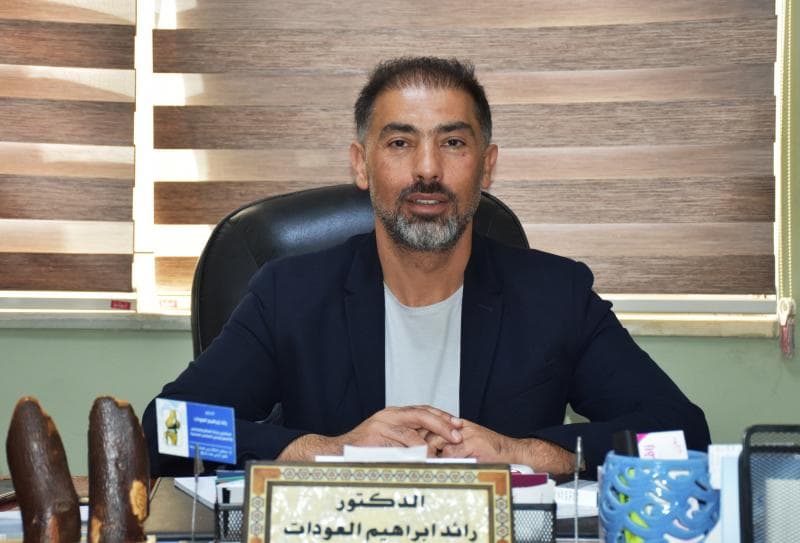
Dr Raed Ibrahim Al-Odat is a consultant in orthopaedic and fracture surgery and joint replacement. He graduated from the University of Jordan and completed a jo…
Hours not listedInsurance not specified5 views
Trusted medical platform in Jordan

Joint replacement surgery is a family of operations in which a worn joint surface is replaced with manufactured components made of metal and polyethylene or ceramic, restoring gliding movement without painful bone-on-bone contact. The knee and hip are by far the most commonly replaced joints, while the shoulder, elbow, wrist, ankle and finger joints are replaced in selected cases according to the condition and the team's expertise. The main driver for surgery is pain that non-surgical care has failed to relieve after months of genuine effort: weight reduction, physiotherapy and muscle strengthening, activity modification and walking aids, medication prescribed by a physician, and joint injections where appropriate. Candidacy is determined by clinical examination and by how much the pain affects sleep, walking and work, read together with imaging — never by an X-ray alone. Some people have poor-looking images and tolerable lives; others have less dramatic images and lives that have stopped. The decision belongs to the person, not to the picture. It is only fair to state what this surgery does not do. It treats the damaged joint; it does not cure the disease that damaged it, so a patient with rheumatoid arthritis continues disease-directed treatment with their physician. It does not deliver a brand-new joint or youthful range of motion, and it does not abolish the need for walking aids in every patient. It is not a treatment for pain referred from the spine or nerves, which is why the segments above and below the joint are examined before deciding. The implant is a manufactured device with a service life that often extends many years but is never permanent, and it may require revision surgery that is more complex than the first operation. Two beliefs deserve correction. The first is that it is best to wait until you cannot move at all — in reality, long delay wastes muscle, fixes deformity, and makes rehabilitation harder and the result poorer. The second is that an implant is unaffected by what happens elsewhere in the body — in reality, infection can reach it through the bloodstream from dental, urinary or skin infections, so any infection should be treated early, and every dentist and future surgeon should be told that you have a joint implant. Preventing deep vein thrombosis is a fixed part of the plan: preventive medication for a defined period, early mobilisation, ankle exercises, fluids and compression devices. Its signs are pain, swelling, warmth or redness in one leg; sudden breathlessness, chest pain or palpitations is an emergency. The final outcome, however, is determined more by rehabilitation than by the operation: daily exercises and adherence to the physiotherapy programme are what turn a painless joint into a working one.
Your history is reviewed and the joint, the neighbouring joints and the spine are examined to identify the true source of pain, supported by appropriate imaging. The surgeon weighs the degree of damage against its impact on your life, your age, your general health and your expectations, and explains the non-surgical alternative and the realistic limits of what surgery will achieve before consent is signed.
Chronic conditions such as diabetes, hypertension and anaemia are optimised, medication and blood thinners are reviewed with written instructions, and any dental, urinary or skin focus of infection is sought and treated before the date. Stopping smoking, losing weight and pre-operative strengthening are advised because they improve healing and rehabilitation.
Under spinal or general anaesthesia with a prophylactic antibiotic dose, the joint is exposed, damaged cartilage and bone are removed to precise measurements, trial components are used to set alignment, tension and stability, and the definitive implants are then fixed with cement or press-fit according to the joint and your bone quality.
A thromboprophylaxis plan begins with preventive medication for a defined period, alongside early mobilisation, ankle exercises, fluids and intermittent compression devices. Wound signs and temperature are monitored for infection, and the warning signs that require immediate review rather than waiting for an appointment are explained to you.
Rehabilitation usually starts the same or the next day and progresses over weeks according to the joint; it is the strongest single determinant of the final result. After healing, periodic clinical and radiological follow-up monitors the implant, while maintaining weight and muscle strength, avoiding impact activities and treating any infection in the body early.
Before consenting, ask: which joint, which type of implant, what the non-surgical alternative is, what will improve and what will not, how long rehabilitation lasts and who will supervise it. Tell your doctor about every medication and supplement — blood thinners, diabetes drugs, steroids, immune-modulating treatments, herbal products — and stop nothing on your own. Report any dental, urinary or skin infection before the date, as it must be treated first to protect the implant, and complete a dental check beforehand if possible. Stop smoking several weeks in advance, optimise diabetes, blood pressure and weight, and start strengthening the muscles around the joint. Prepare your home for the recovery phase: remove loose rugs, fit grab rails in the bathroom, provide a firm chair of adequate height, and arrange a companion and transport. Follow fasting instructions, do not shave the surgical area with a razor, and bring your reports, imaging and medication list on admission.
**Seek emergency care immediately if you develop:** sudden breathlessness, chest pain, palpitations or coughing blood (suspected pulmonary embolism); pain, swelling, warmth or redness in one leg (deep vein thrombosis); a temperature of 38C or above with shivering; pus or cloudy discharge from the wound or opening of its edges; pain that suddenly worsens after improvement; a change in limb shape with inability to move it after a fall; or numbness, coldness and pallor of the limb. Day to day: take clot prevention at the prescribed dose for the full duration and do not stop it because you feel better, move your ankles every hour, take frequent short walks, drink enough fluid, and keep the wound clean and dry without submerging it until your surgeon agrees. Do your exercises daily and keep your physiotherapy appointments — rehabilitation determines the final result more than the operation itself. Long term: maintain your weight and muscle strength, avoid impact sports, treat any infection in your body early, tell your dentist and any surgeon that you have a joint implant, and attend the periodic follow-up visits that monitor it.
Most joint replacements take 60 to 150 minutes depending on the joint, hospital stay is one to three days, and rehabilitation ranges from 6 weeks to 6 months according to the joint replaced.
Dr Raed Ibrahim Al-Odat is a consultant in orthopaedic and fracture surgery and joint replacement. He graduated from the University of Jordan and completed a jo…
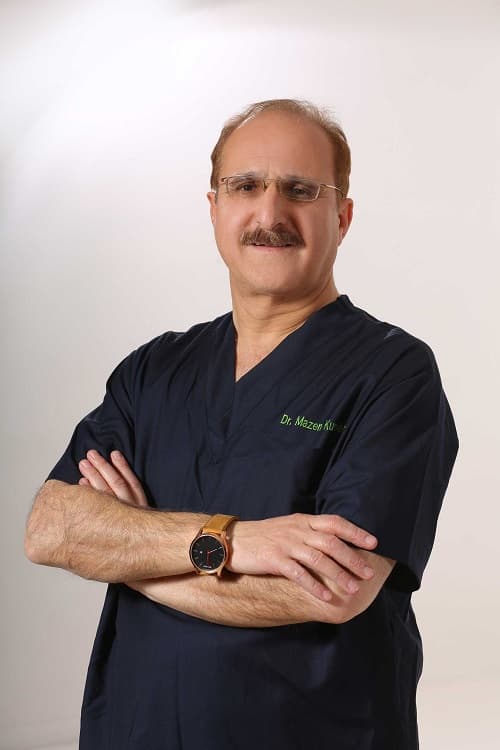
Dr Mazen Kurdieh practices orthopedics in Amman. Qualifications include Jordanian Board in Orthopaedic Surgery; Jordanian Board in General Surgery; German Fello…
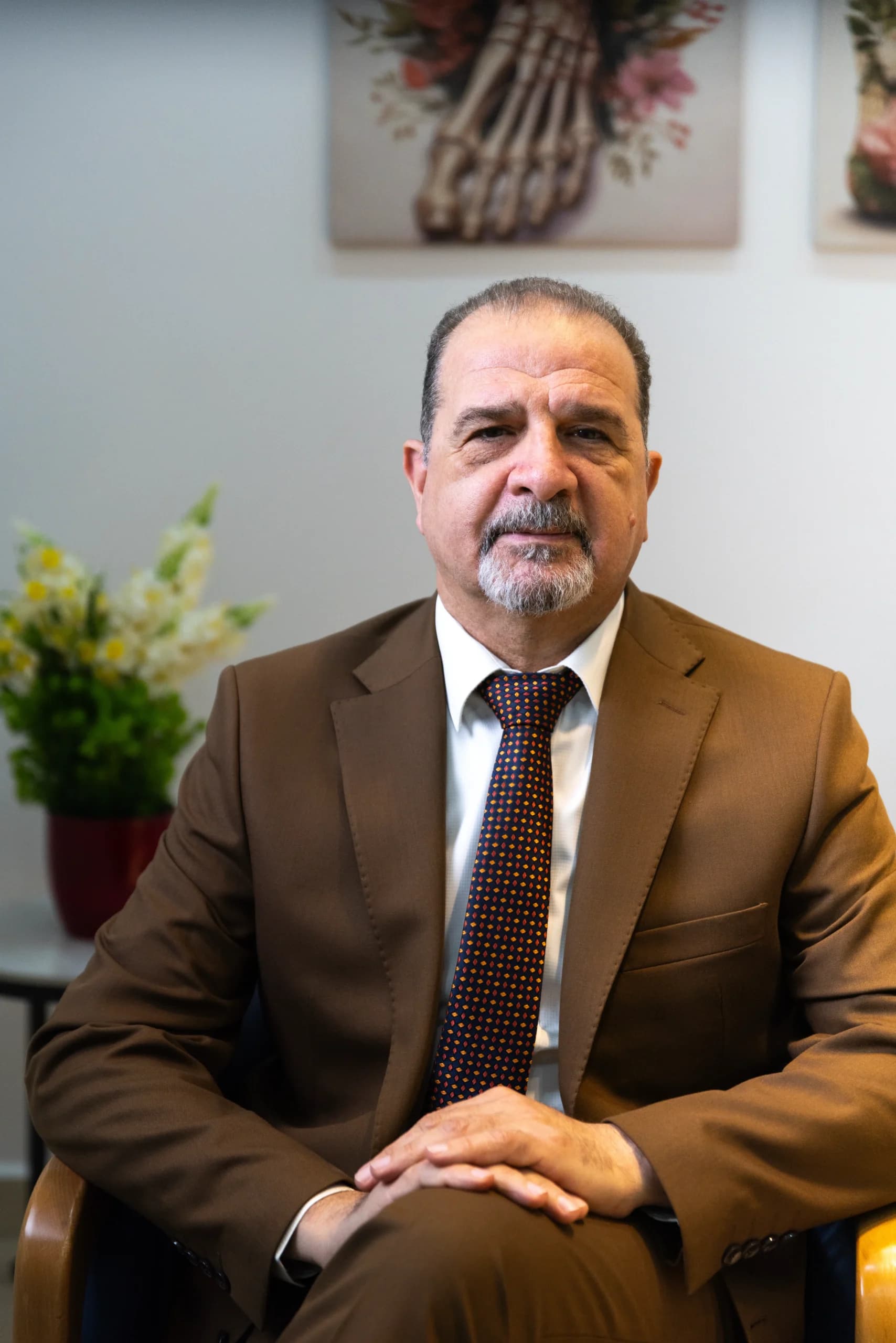
Dr Malik Abu Al-Nadi is an orthopaedic consultant with a focus on foot and ankle disorders. He holds the Jordanian orthopaedic board; his official biography des…
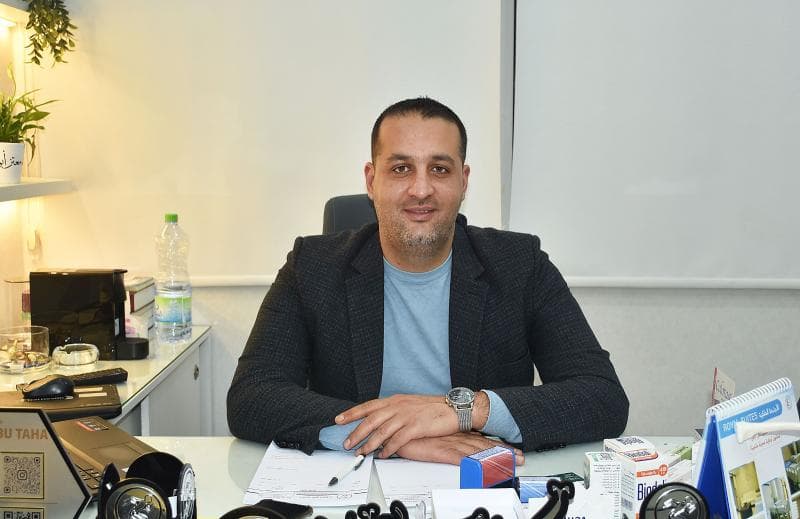
Dr Mutaz Saleh Abu Taha practices orthopedics in Amman. His official profile describes simple and complex fracture care, hip, knee and shoulder replacement, kne…
There are currently 4 doctor profiles linked to Joint replacement surgery on ClinicsJo. Review the listed services and contact the practice to confirm availability with the doctor and branch you choose.
Start with an available doctor's profile and use the contact or booking options shown there. Confirm the service, practice location and appointment time with the clinic. If this list is empty, broaden your search using the directory links on this page.
Ask the practice for the current price and what it includes. A consultation fee shown on a profile is not necessarily the price of a procedure, tests or follow-up. Confirm any additional charges and insurance arrangements before your visit.