A hearing test is a complete assessment that establishes how much each ear hears across different frequencies, the type of any loss present, and how well you understand speech rather than simply detect sound. The appointment is not one test but a set: pure tone audiometry, which plots the audiogram; speech testing, which measures understanding; and middle ear tests, which measure how the eardrum and the small bones are working. Together they give a picture on which decisions can be based.
The complaints that justify testing are not always obvious hearing loss. Come for a test if you often ask for sentences to be repeated, find crowded places hard to follow, turn the television up, find phone calls tiring, feel fullness or ringing in one ear, notice your child's speech is delayed, or work in a noisy environment. A hearing test is also valuable as a baseline against which later tests are compared, and that comparison is one of the most useful things in tracking change over time.
The test is painless and nothing harmful is introduced. It is carried out in a quiet room or a sound-treated booth: you wear headphones and give a simple response, such as raising a hand or pressing a button, at the softest tone you can detect, then repeat words back so speech discrimination can be scored. For children, age-appropriate methods are used, such as conditioned play audiometry or objective tests that need no cooperation at all.
The limits are clear. The test measures hearing and classifies the type of loss, but it does not by itself diagnose the cause and it does not treat anything; the result must be read alongside physical examination of the ear and the clinical history. A normal result does not rule out a central auditory processing difficulty or an attention problem, and it does not rule out tinnitus. A single day's result can also be temporarily affected by a cold, middle ear fluid, or loud noise exposure shortly beforehand.
One correction is essential here. **Do not clean your ears with cotton buds**: they push wax deeper towards the eardrum, scratch the canal, and can cause infection or perforation. Wax is a protective substance that migrates out on its own and **does not need routine removal without a reason**. It is removed only when it blocks the canal or obstructs testing, and only in the clinic, never at home. **Sudden hearing loss in one ear is not wax and not tiredness: it is an emergency that must be seen the same day, because the treatment window is only a few days.**
1 specialists
Procedure steps
1
History and canal examination
The audiologist asks when symptoms began, which ear is worse, and whether there is tinnitus, dizziness, discharge or pain, along with noise exposure, medicines, infections, surgery and family history. The canal is then examined to confirm it is free of impacted wax, inflammation or perforation, since any of these changes how results are interpreted.
2
Pure tone audiometry
Headphones are worn and tones of different frequencies are presented to each ear separately, with a signal expected at the softest tone you can detect, however faint. The measurement is repeated by bone conduction to separate conductive from sensorineural loss, and results are plotted on an audiogram showing the frequency pattern for each ear.
3
Speech discrimination testing
Words or sentences are presented at various levels and repeated back to score understanding rather than mere detection. This part explains the complaint of hearing without understanding, may be repeated with light background noise because that resembles real life, and is the most practical indicator of likely benefit from a hearing aid.
4
Middle ear testing
The eardrum's response to pressure change is measured, with acoustic reflexes added when indicated. These tests reveal middle ear fluid, Eustachian tube dysfunction, perforation and stiffness of the small bones, and they often explain a hearing loss that is medically treatable without any device.
5
Explaining results and the next step
The audiogram is explained in plain language: which ear is affected, the type of loss, which frequencies are involved, and how much speech is affected. A plan is then agreed: medical treatment where the cause is treatable, a properly fitted hearing aid trial, further investigation, or a repeat test later as a comparison baseline.
Before the procedure
A hearing test needs no fasting and no medication changes, but its accuracy is affected by a few simple things. Avoid loud noise in the sixteen to twenty-four hours before the appointment, such as weddings, concerts, machinery or loud headphones, because it can create a temporary shift that looks like real loss. Do not clean inside your ear with cotton buds beforehand: this pushes wax towards the eardrum, obstructs the test and can injure the canal. If you feel blocked, say so and let it be examined in the clinic. Bring the results of any previous hearing test, even old ones, a list of your medicines, and reports of any ear surgery or infection. Tell the audiologist if you currently have a cold or infection, or if you have tinnitus, dizziness or discharge. For children, book a time when the child is rested and fed, and bring a toy for distraction plus nursery or school reports.
After the procedure
There are no restrictions afterwards and you can return to all activities immediately. Ask for a copy of your audiogram and keep it in a permanent file, because comparing today's test with next year's is the most sensitive way to detect early change. If medical treatment, a hearing aid trial or further tests were recommended, book the appointments before leaving the clinic rather than postponing them for months. Start protecting your hearing today: use ear protection in noisy work and events, lower the volume on personal headphones, shorten listening time, and put nothing in your ear to clean it. Remember too that warm oils, including olive oil, do not treat an ear infection and do not safely dissolve wax. Seek care immediately if you develop: **sudden hearing loss or a rapid drop in one ear over hours or days**, **severe dizziness with vomiting**, **discharge, blood or a foul smell from the ear**, **severe pain with fever or swelling behind the ear**, or weakness of the facial muscles.
Expected duration
A full adult hearing assessment usually takes about 30 to 45 minutes, and may be as short as 15 to 20 minutes for a basic screen. In children the session runs from 30 to 60 minutes and may be split over two visits depending on cooperation. Testing is typically repeated annually for comparison, and sooner if hearing changes or work involves noise exposure.
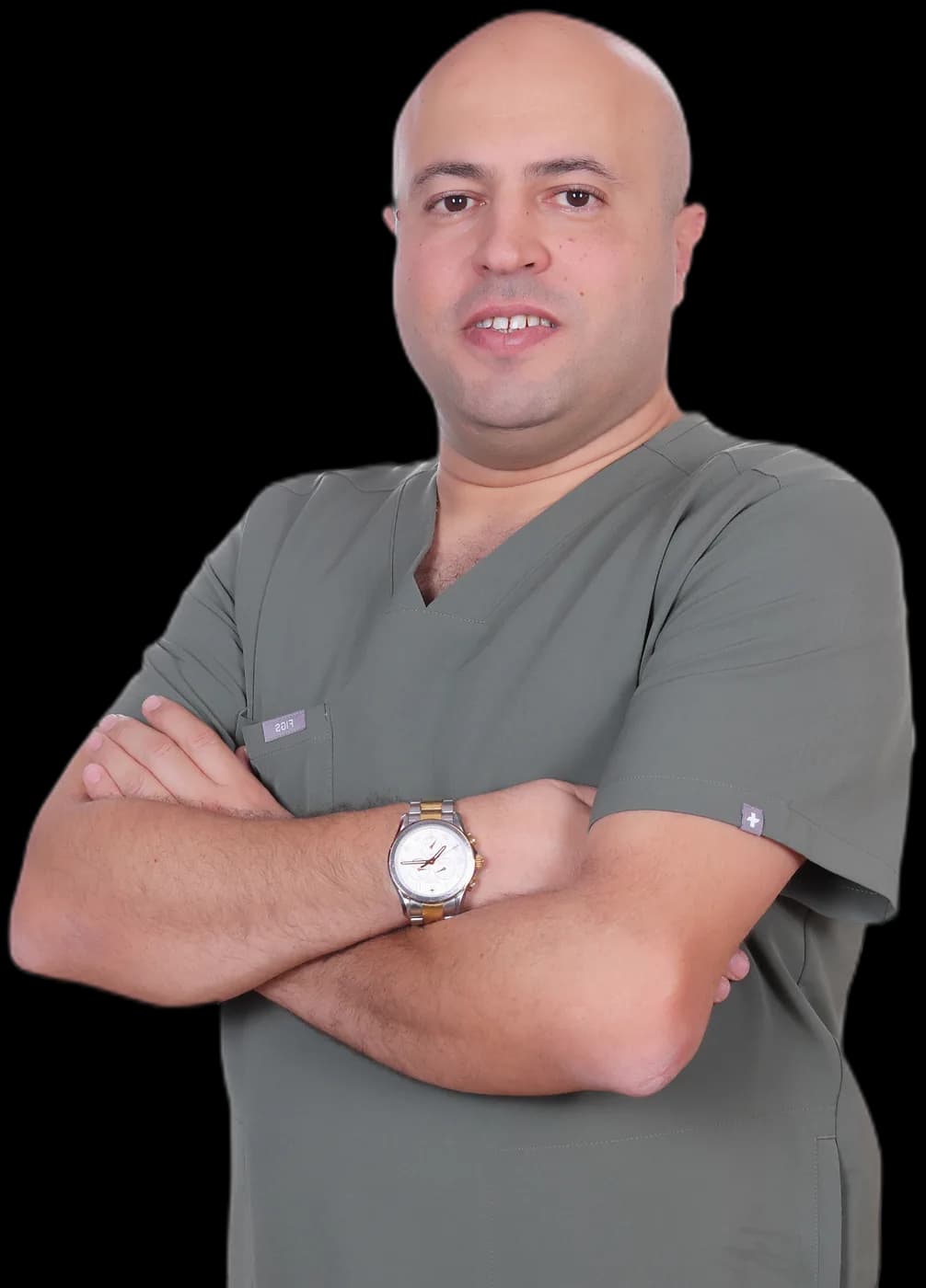
Dr. Marwan Ibrahim Al Halalmeh is an ENT specialist with Jordanian Board certification and higher specialty training. Following work at the Royal Medical Servic…
Which doctors are listed for Hearing test in Jordan?
There are currently 1 doctor profiles linked to Hearing test on ClinicsJo. Review the listed services and contact the practice to confirm availability with the doctor and branch you choose.
How can I find an appointment for Hearing test?
Start with an available doctor's profile and use the contact or booking options shown there. Confirm the service, practice location and appointment time with the clinic. If this list is empty, broaden your search using the directory links on this page.
What does Hearing test cost in Jordan?
Ask the practice for the current price and what it includes. A consultation fee shown on a profile is not necessarily the price of a procedure, tests or follow-up. Confirm any additional charges and insurance arrangements before your visit.