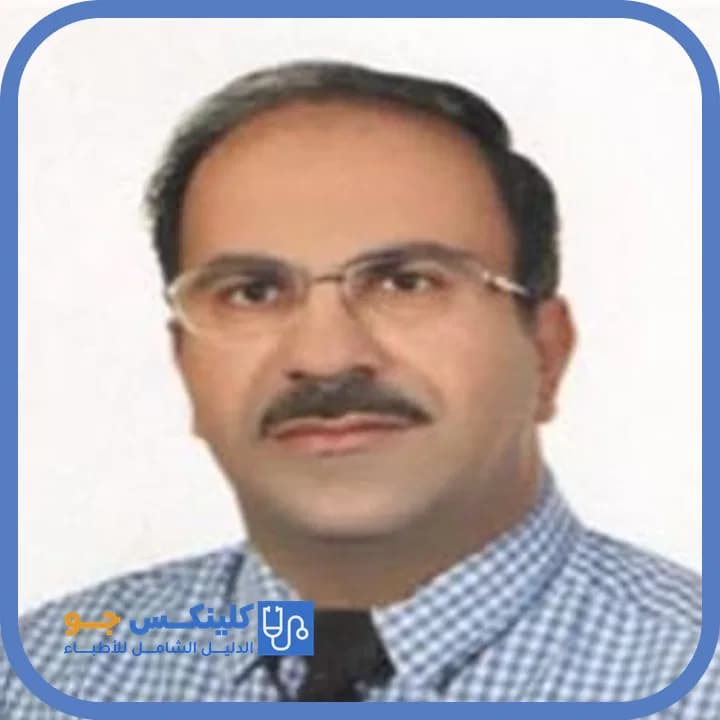
Humam Al Riyalat practices ENT medicine in Amman. Consultations assess hearing, nose, throat and upper-airway symptoms and review investigations to discuss asse…

Ear wax removal is a procedure to clear impacted cerumen from the external ear canal when it causes symptoms or prevents examination. Three main methods are used: microsuction under an otoscope or microscope, manual removal with small instruments under direct vision, or irrigation with body-temperature water after the wax has been softened with drops for several days.
Ear wax is not dirt that needs constant cleaning. It is a normal secretion that protects and moisturises the canal skin and traps dust, and the ear expels it on its own through skin migration and jaw movement. Most people therefore need no routine cleaning at all. Removal is indicated when the wax is impacted and causes reduced hearing, tinnitus, a blocked or full sensation, pain, dizziness or a reflex cough, or when the eardrum needs to be seen, a hearing test performed, or an impression taken for a hearing aid.
Two widespread myths need correcting. Cotton buds do not clean the ear; they push wax deeper, abrade the skin and can perforate the eardrum, and they are among the commonest causes of the very blockage people attend for. Ear candling has no established benefit and can cause burns to the canal and face as well as leaving melted wax inside the ear.
What the procedure does not do: clearing wax corrects only what the blockage itself caused. If reduced hearing, tinnitus or dizziness persists once the canal is clear, the cause lies in the middle ear or the hearing nerve and needs assessment with an audiogram rather than repeated cleaning. Removal also does not stop wax from re-accumulating in people prone to it, and it does not treat coexisting infection of the outer ear.
Some ears should never be irrigated: a perforated eardrum, a ventilation tube, previous ear surgery, active otitis externa, or an only-hearing ear, and caution applies in diabetes or reduced immunity. For these, microsuction under vision is safer. The suitable method is decided by clinical examination, not by a description of the symptoms.

Procedure steps
- 1
Assessment and otoscopy
The doctor reviews the symptoms and ear history, then inspects with an otoscope to judge the amount, consistency and position of the wax, whether the eardrum is intact or there is a perforation or tube, and whether the canal skin is inflamed.
- 2
Softening the wax
For hard wax, softening drops for several days before the appointment make removal easier and gentler on the skin. They are used exactly as and for as long as the clinician directs, and are avoided if a perforation is suspected.
- 3
Selecting the method
Microsuction, manual instruments or irrigation is chosen according to the state of the eardrum, the consistency of the wax and how well the patient can cooperate. Suction under vision is the safest option where there is a perforation, a tube or previous ear surgery.
- 4
Removal under vision
The canal is cleared gradually with gentle movements, and the clinician stops if pain, dizziness or bleeding appears. Irrigation is performed with body-temperature water at low pressure, since water that is cold or hot provokes dizziness.
- 5
Eardrum check and hearing review
Once the canal is clear the eardrum is examined and hearing is reviewed clinically, or with an audiogram if hearing loss was the complaint. Advice on preventing re-accumulation is given, and why cotton buds must be avoided is explained.
Before the procedure
Tell the doctor if you have a perforated eardrum, a ventilation tube, previous ear surgery, an only-hearing ear or recurrent ear infections; if you have diabetes, take immunosuppressive medication or a blood thinner; and if you wear a hearing aid. Mention any past episode of dizziness or severe pain during wax removal. If softening drops have been prescribed, use them exactly as directed in the days before the appointment and do not extend the course yourself. Stop using cotton buds before the visit, as they push wax deeper and make the procedure harder, and do not attempt to suction or dig with any home device. Do not put water in the ear if you suspect a perforation. If the appointment is also for a hearing test or a hearing-aid impression, tell the clinic in advance so enough time is booked.
After the procedure
A clear improvement in hearing straight after the canal is cleared is expected, along with mild canal tenderness or sounds seeming unusually loud for a few hours. Keep the ear dry for a couple of days if irrigation was used or the skin was grazed, and avoid swimming during that time. Never insert cotton buds or any implement into the ear, as this restores the blockage and injures the skin. If wax builds up repeatedly, ask about scheduled removal or preventive drops rather than self-cleaning. Seek review promptly for increasing pain or bleeding, yellow or foul-smelling discharge, marked dizziness or unsteadiness, hearing that did not improve or has worsened after removal, severe new tinnitus, or fever and swelling around the ear. Hearing loss that persists in a clear canal means an audiogram is needed to identify the cause.
Expected duration
Usually 10 to 25 minutes for both ears; very hard wax may need a second session after a few days of softening.
Doctors who provide Ear Wax Removing
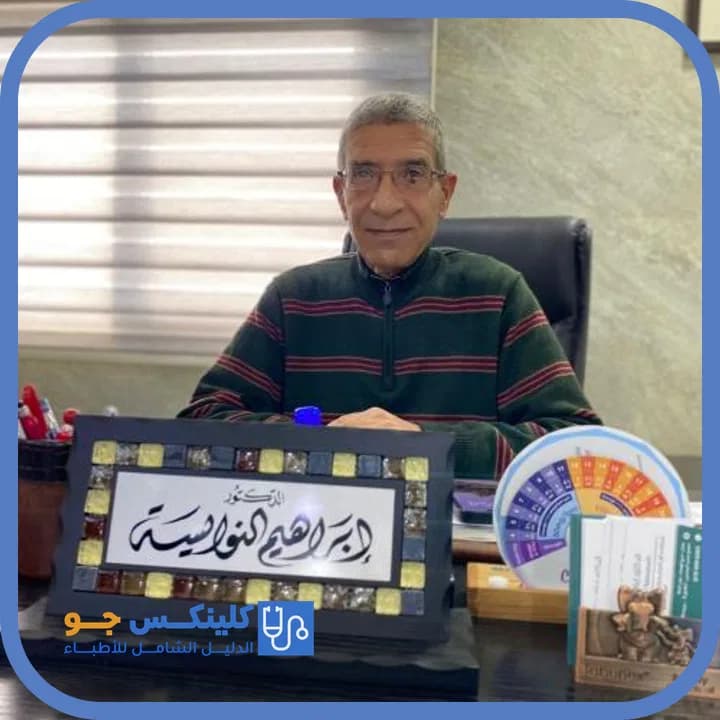
Ibrahim Mohammad Al Nawaiseh practices ENT medicine at Hassan Al Bardini Complex near Dalla Roundabout in Marj Al Hamam. Use the practice contact to arrange rev…
Dr Sultan Saad Jaber is an ENT surgery specialist who graduated from Misr University for Science and Technology and trained with the Jordanian Royal Medical Ser…
Patients can arrange a ent surgery consultation with Dr Majid Khaleel Bani-Ata at King Abdullah University Hospital in Irbid. Qualifications include Jordanian B…
Dr Mohammad Al-Khatatba practices ent (ear, nose & throat) in Amman. Qualifications include Medical degree — University of Jordan; Jordanian Board in ENT; Arab …
Dr Ayman Jaber practices ENT medicine and surgery alongside nasal and facial reconstruction at Abdali Hospital in Amman. He holds Jordanian ENT board certificat…
Dr Ziad Mohammad Al Balbisi is a consultant ENT surgeon at Jordan Hospital in Amman. He graduated in Alexandria and holds a fellowship of the Royal College of S…
Imad Hussein Abu Romeh is an ENT surgery specialist in Amman. His qualifications include a medical degree from Cairo University, the Jordanian Board in otolaryn…
Dr. Majdi Abdul Kareem is an ENT consultant with a professional focus on endoscopic sinus surgery. His qualifications include British and American ENT fellowshi…
Hassan Al-Tawalbeh practises ENT care in Irbid at Hassan Al-Tawalbeh ENT Clinic. The practice reception coordinates appointment times and the requested consulta…
Islam Al Ziadneh practices ENT medicine at Al Basma Medical Complex on Abu Firas Al Hamdani Street in Jabal Amman. Consultations address nose, ear and throat co…
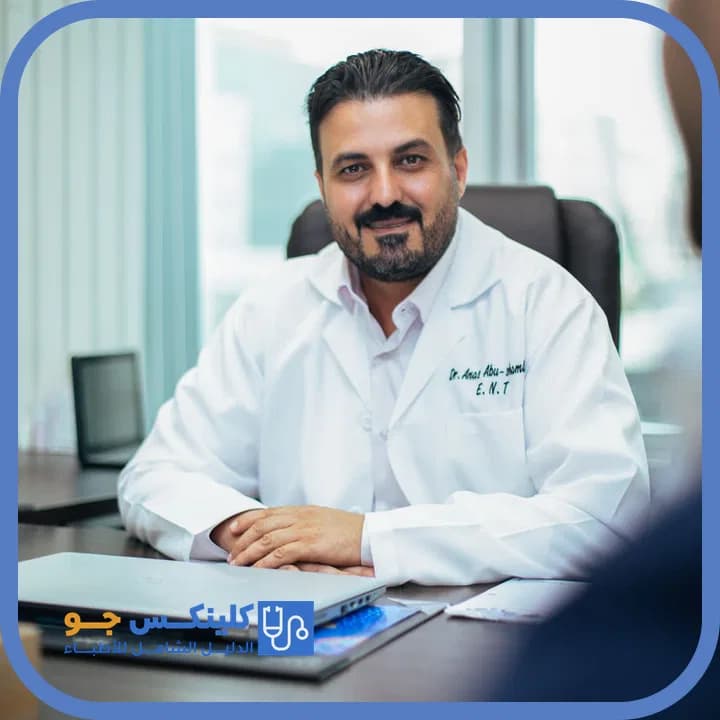
Dr Anas Abu Shamleh is an ENT specialist and consultant in rhinoplasty and endoscopic sinus surgery in Amman, holding the Jordanian Board in ENT surgery. His pr…
Dr. Yousef Anis Al Safarini is an ENT specialist on Al Saadeh Street in Zarqa. Consultations assess ear, hearing, nasal, sinus and throat concerns and determine…
Ali Shatnawi is part of the Specialist ENT Clinics team in Irbid. The center’s care includes ENT consultations, tonsil and adenoid concerns, nasal septal deviat…
Dr Shadi Marji practices ent (ear, nose & throat) in Irbid. Qualifications and experience include ENT care and the clinic on Suleiman Waheed Street. The direct …
Dr Marwan Ibrahim Halalma is an ENT surgeon with Jordanian and Arab Boards obtained in 2016. He graduated from Misr University for Science and Technology in 200…
Finding Ear Wax Removing services in Jordan
Which doctors are listed for Ear Wax Removing in Jordan?
There are currently 17 doctor profiles linked to Ear Wax Removing on ClinicsJo. Review the listed services and contact the practice to confirm availability with the doctor and branch you choose.
How can I find an appointment for Ear Wax Removing?
Start with an available doctor's profile and use the contact or booking options shown there. Confirm the service, practice location and appointment time with the clinic. If this list is empty, broaden your search using the directory links on this page.
What does Ear Wax Removing cost in Jordan?
Ask the practice for the current price and what it includes. A consultation fee shown on a profile is not necessarily the price of a procedure, tests or follow-up. Confirm any additional charges and insurance arrangements before your visit.
How much does Ear Wax Removing cost in Jordan?
No clinic on ClinicsJo has published a price for Ear Wax Removing yet, so we do not quote an estimated figure. What is published is the consultation fee: 15–30 JOD (profiles: 18). The doctor sets the treatment price after assessing your case.
What clinics and doctors have published on ClinicsJo
- Published consultation fee — Hassan Al-Tawalbeh: 15 JOD consultation fee.
- Published consultation fee — Majdi Abdul Kareem: 15 JOD consultation fee.
- Published consultation fee — Osama Al Dabbi: 15 JOD consultation fee.
- Published consultation fee — Ali Shatnawi: 20 JOD consultation fee.
- Published consultation fee — Yousef Anis Al Safarini: 20 JOD consultation fee.
Other doctor profiles with a published fee: 13.
What sets the price of Ear Wax Removing?
- The consultation fee and follow-up visits
- Tests and investigations needed
- The chosen treatment approach and its duration
- Medicines or supplies
- Insurance coverage and your share of the cost
Expected duration (from the procedure guide): Usually 10 to 25 minutes for both ears; very hard wax may need a second session after a few days of softening.
How to ask about the price
Before booking, ask the clinic for the all-inclusive price and what it covers, any extra tests or scans, how many follow-up visits are included, the payment options, and whether your insurance is accepted. You can reach them through the contact details on the doctor and clinic profiles on this page.
The figures above were published by the clinics and doctors themselves on ClinicsJo and may change. We do not estimate prices. Confirm the all-inclusive price with the clinic before booking. Offers on ClinicsJo