Top 4 Bone Marrow & Stem Cell Transplant Specialists in Amman — A doctor reviewing blood test results with a patient — directory of the best Bone Marrow & Stem Cell Transplant doctors in Amman

Top 4 Bone Marrow & Stem Cell Transplant Specialists in Amman 2026

If you are searching for the best bone marrow & stem cell transplant specialists in Amman, this page lists four consultants who work at King Hussein Cancer Center in Jubeiha. They are ordered by a published profile-completeness score, not by clinical quality. Compare their qualifications, roles and hours. Then use the guide below to learn when a transplant is considered, what to bring and what to ask before booking.

4 of 11 doctors on ClinicsJoUpdated 18 October 2026How we chose

At a glance

#DoctorAreaSuitsProfile score
1Khaled HalahlehJubaihaBone Marrow & Stem Cell Transplant31/100
2Zaid Abdel-RahmanJubaihaBone Marrow & Stem Cell Transplant31/100
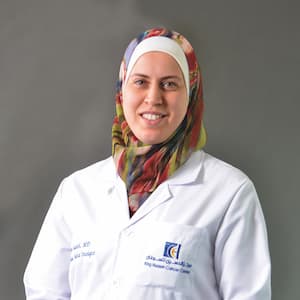
3Salwa SaadehJubaihaMedical Oncology & Chemotherapy31/100
4Waleed Da’naJubaihaMedical Oncology & Chemotherapy31/100
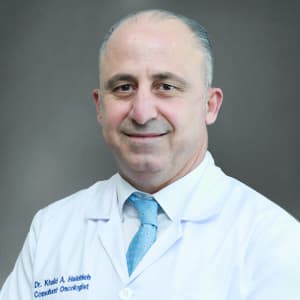
  1. 1Khaled Halahleh

    Khaled Halahleh serves at King Hussein Cancer Center as consultant Bone Marrow Transplantation and Cell Therapy. Professional qualifications include: Jordanian Board of Internal Medicine; Jordanian Board of Medical Oncology; Palestinian Board of Medical Oncology Hematology. Education and training include: M.B.S.S; Medical Oncology Fellowship, King Hussein Cancer Center (KHCC), Jordan.

    Suits: Bone Marrow & Stem Cell Transplant

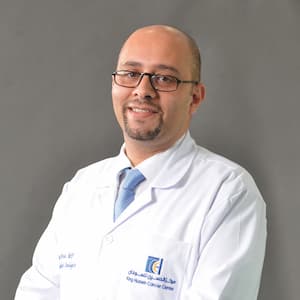
  2. 2Zaid Abdel-Rahman

    Zaid Abdel-Rahman serves at King Hussein Cancer Center as consultant Hematology, Bone Marrow Transplant and Cellular Therapies. Professional qualifications include: 2021: American Board of Hematology; 2021: American Board of Medical Oncology; 2018: American Board of Internal Medicine (2018). Education and training include: Fellowship in Stem Cell Transplant and Cellular Therapy, University of Texas MD Anderson Cancer Center, Houston, TX, USA; Fellowship in Hematology and Medical Oncology, Mayo Clinic, Jacksonville, FL, USA.

    Suits: Bone Marrow & Stem Cell Transplant

  3. 3Salwa Saadeh

    Salwa Saadeh serves at King Hussein Cancer Center as consultant Medical Oncology/Myeloma/Leukemia/BMT. Professional qualifications include: Jordanian Board of Internal Medicine and Medical Oncology; MRCP (U.K.), MRCP SCE (U.K.) Medical Oncology; European Board of Hematology. Education and training include: M.B./B.S; MRCP (U.K.), MRCP SCE (U.K.).

    Suits: Medical Oncology & Chemotherapy

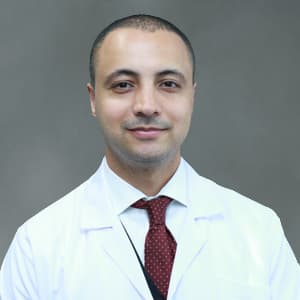
  4. 4Waleed Da’na

    Waleed Da’na serves at King Hussein Cancer Center as consultant Medical Oncology, BMT. Professional qualifications include: Jordanian Board of Internal Medicine, Jordan Medical Council; Jordanian Board of Medical Oncology, Jordan Medical Council. Education and training include: 2007-2011 Medical Resident, Specialty Hospital, Jordan; 2013-2016 Medical Oncology Fellowship & Internist, KHCC, Jordan.

    Suits: Medical Oncology & Chemotherapy

This shortlist covers 4 of the 11 matching doctors on ClinicsJo. Browse the full list and filter it.

How we chose this list

Every matching doctor profile in this area was scored out of 100 for how complete and checkable its published information is, and the highest scores appear here in order. Featured placement does not change a profile's score, and the score does not measure treatment quality or outcomes — it tells you how much you can check before you call.

  • Profile verified by the platform15
  • Approved reviews (number and average)20
  • Published years of experience (up to 25)15
  • Published qualifications10
  • Written professional biography8
  • Profile photo5
  • Published services8
  • Listed insurers7
  • Confirmed opening hours6
  • Published consultation fee3
  • Map location3

Ties are broken by the number of approved reviews, then published years of experience. Confirm the service, branch, appointment, fees and insurance coverage with the practice before visiting.

When do you need this specialty or procedure?

A bone marrow or stem cell transplant (often shortened to BMT or HSCT) replaces blood-forming cells. These cells may have been damaged by disease or by intensive treatment. There are two main types:

  • Autologous transplant: the patient's own stem cells are collected, stored and returned after high-dose therapy.
  • Allogeneic transplant: the cells come from a donor, such as a matched sibling, another relative or an unrelated volunteer.

Transplant specialists usually see patients who have already been diagnosed by a haematologist or oncologist. Mainstream guidance lists several conditions where a transplant may be discussed:

  • Some leukaemias, such as acute myeloid or acute lymphoblastic leukaemia
  • Multiple myeloma and some lymphomas
  • Myelodysplastic syndromes and bone marrow failure, such as aplastic anaemia
  • Certain inherited blood disorders, for example severe thalassaemia or sickle cell disease

Whether a transplant is appropriate depends on several things: the disease and its stage, the response to earlier treatment, general health and donor availability. Only the treating team can judge this.

Common reasons to book a consultation include:

  • A referral from your haematologist
  • A relapse after treatment
  • A second opinion on transplant options
  • Long-term follow-up after a transplant

Warning signs that need urgent care

People having chemotherapy or recovering from a transplant have weakened immunity. Some symptoms cannot wait for a clinic appointment. Contact your treating team immediately, call 911 or go to the nearest emergency department if you have:

  • A fever or shivering, even if you otherwise feel well
  • Difficulty breathing or chest pain
  • Bleeding that does not stop, blood in urine, stool or vomit, or widespread new bruising
  • Confusion, severe headache, fainting or seizures
  • Severe diarrhoea, inability to keep fluids down, or signs of dehydration
  • A new widespread rash, yellowing of the skin or eyes, or sudden swelling

How to choose among the doctors here

All four specialists on this page list King Hussein Cancer Center in Jubeiha as their current workplace. Their profiles also show the same consultation hours. So the choice is less about location and more about fit with your situation.

  • Khaled Halahleh serves at King Hussein Cancer Center as consultant Bone Marrow Transplantation and Cell Therapy.
  • Zaid Abdel-Rahman serves at King Hussein Cancer Center as consultant Hematology, Bone Marrow Transplant and Cellular Therapies.
  • Salwa Saadeh serves at King Hussein Cancer Center as consultant Medical Oncology/Myeloma/Leukemia/BMT.
  • Waleed Da’na serves at King Hussein Cancer Center as consultant Medical Oncology, BMT.

The list order reflects profile completeness, not clinical outcomes. If you came here looking for the best bone marrow & stem cell transplant specialists in Amman, the most reliable guide is your own medical team's advice combined with the facts shown on each profile.

What to expect at the first visit

A first transplant consultation is mainly an assessment and a conversation. The transplant itself is planned over weeks. Expect a review of your diagnosis, previous treatment and current health. You may be asked to have further tests.

Bring:

  • Your referral letter and a summary from your current haematologist or oncologist
  • Pathology and bone marrow biopsy reports, recent blood test results, and any genetic or molecular test results
  • Imaging reports, and image discs if you have them
  • A list of all medicines you take, including supplements
  • Your ID or passport and your insurance documents
  • Basic details about brothers and sisters, because siblings are often the first potential donors considered

Questions you might ask:

  • Is a transplant an option for my condition, and if so, which type?
  • What are the alternatives, and what happens if I wait?
  • How is a donor found, and do family members need tissue-typing tests?
  • How long are the hospital stay and the recovery period, and how often are follow-up visits?
  • What support is available for nutrition, infection prevention and emotional wellbeing?

A lot of information is shared at this visit. A family member can come with you to take notes.

Insurance, fees and booking: what to ask before the appointment

None of the profiles here publish a consultation fee, so ask when you book. Useful questions:

  • Is a referral letter needed, and who must write it?
  • Is my insurance, government coverage or other funding accepted for the consultation? Does it also cover tests and the transplant itself?
  • Does my coverage need prior approval for a transplant evaluation?
  • What does the first visit include, and are any tests charged separately?
  • If I am travelling from outside Jordan, which documents and medical reports should I send in advance?

Get answers in writing where possible. Transplant care involves many separate services over a long period, and written answers help you avoid surprises.

Getting there

Confirm appointments with King Hussein Cancer Center before visiting; a verified schedule is not available for each physician. Consult the current physician profile to arrange a visit.

If you are coming from Khalda, Dabouq, Tla' Al-Ali or Sweifieh, allow extra time for traffic and parking. The same applies from Shmeisani, Abdoun, the Gardens or the 7th Circle. When you book, confirm which clinic within the centre to go to.

You may currently be treated at another hospital, such as Jordan University Hospital, King Hussein Medical Center, Al-Bashir Hospital, Specialty Hospital or Istishari Hospital. If so, bring copies of your records rather than relying on them being shared.

Checklist before you book

  • Have a referral letter or a written summary from your haematologist or oncologist
  • Collect pathology, bone marrow, blood test and imaging reports in one folder
  • Write down all your medicines and any allergies
  • Note your siblings' details in case donor testing is discussed
  • Check the consultant's role and sub-specialty against your diagnosis
  • Ask about the fee, referral rules and insurance approval before the visit
  • Confirm appointments with King Hussein Cancer Center before visiting; a verified schedule is not available for each physician. Consult the current physician profile to arrange a visit.
  • Plan your route to Jubeiha and leave extra time for traffic and parking
  • Prepare your questions and bring someone to take notes
  • Know the urgent warning signs and keep 911 in mind

Frequently asked questions

How was this list of transplant specialists in Amman chosen?
The four profiles are ordered by a published 100-point profile-completeness score. It counts items such as platform verification, approved reviews, published experience and qualifications, biography, photo, services, insurers, confirmed hours, fee and map location. Featured placement does not change the score. The order shows how complete and checkable a profile is. It does not measure treatment quality or outcomes.
What is the difference between an autologous and an allogeneic stem cell transplant?
In an autologous transplant, your own stem cells are collected, stored and given back after high-dose treatment. In an allogeneic transplant, the stem cells come from a donor, such as a matched sibling, another relative or an unrelated volunteer. Which type, if any, is suitable depends on the disease, its stage and your overall health. Only your treating transplant team can decide.
Do I need a referral to see a bone marrow transplant specialist?
Most patients reach a transplant consultant after a haematologist or oncologist has confirmed the diagnosis. Referral rules differ between centres and insurers, so ask when you book whether a referral letter is required. Bring a written summary of your diagnosis and treatment so far. This helps the consultant assess your case at the first visit.
Can my brothers or sisters be tested as donors?
For allogeneic transplants, siblings are often the first potential donors considered, because they have a higher chance of being a tissue match. Matching is checked through tissue-typing (HLA) blood tests arranged by the transplant team. Ask the consultant whether family testing is needed in your case and how it is organised. Never assume a match without testing.
What are the clinic hours for these specialists in Amman?
Confirm appointments with King Hussein Cancer Center before visiting; a verified schedule is not available for each physician. Consult the current physician profile to arrange a visit.
Which symptoms after a transplant or chemotherapy need emergency care?
Get help immediately for a fever or shivering, breathing difficulty, or chest pain. The same applies to bleeding that will not stop, new widespread bruising, confusion, seizures or fainting. Severe diarrhoea, being unable to keep fluids down, or yellowing of the skin or eyes are also urgent. Contact your treating team at once, call 911 or go to the nearest emergency department.
Is a bone marrow transplant the same as stem cell therapy offered for other conditions?
No. Bone marrow and stem cell transplants for blood cancers and certain blood disorders are established treatments delivered by specialist teams. Many stem cell therapies advertised for other conditions are unproven, and major medical bodies warn against them. If you are offered a stem cell treatment, ask your doctor what evidence supports it for your condition.

This page helps you compare published profiles; it is not medical advice and does not rank clinical skill. In an emergency call 911 or go to the nearest emergency department.