Top 5 Critical Care Specialists in Jubaiha — A waiting area outside an equipped critical care room — directory of the best Critical Care doctors in Jubaiha, Amman

Top 5 Critical Care Specialists in Jubaiha 2026

This page answers searches for the best Critical Care Specialists in Jubaiha with five consultants whose profiles list critical care as a sub-specialty. All five are based at King Hussein Cancer Center in Jubaiha, Amman. They are ordered by how complete and checkable their published information is, not by clinical skill. Use it to compare training, board certifications, services and hours, then confirm the details directly when you book.

5 of 9 doctors on ClinicsJoUpdated 18 October 2026How we chose

At a glance

#DoctorAreaSuitsProfile score
1Anas Al KhateebJubaihaPulmonology34/100
2Shadi ObeidatJubaihaPulmonology34/100
3Mohammed J. Al-JaghbeerJubaihaPulmonology34/100
4Emad HaddadinJubaihaAnesthesia & Intensive Care31/100
5Mohammad RiziqJubaihaAnesthesia & Intensive Care31/100
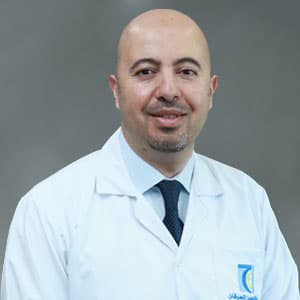
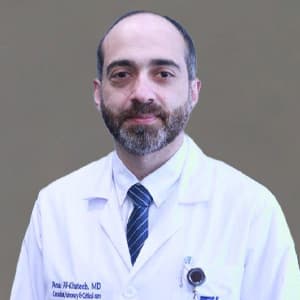
  1. 1Anas Al Khateeb

    Anas Al Khateeb serves at King Hussein Cancer Center as consultant Physician - Pulmonary and Critical Care Medicine. Professional qualifications include: 2024: American Board of Neurocritical Care Medicine; 2023: Specialty Certificate in Adult Critical Care Medicine, Jordan Medical Council; 2023: Specialty Certificate in Pulmonary Medicine, Jordan Medical Council; 2019: American Board of Critical Care Medicine; 2018: American Board of Pulmonary Medicine; 2016: American Board of Internal Medicine. Education and training include: 2016-2019: American Fellowship in Pulmonary and Critical Care Medicine; 2013-2016: American Residency in Internal Medicine.

    Suits: Pulmonology

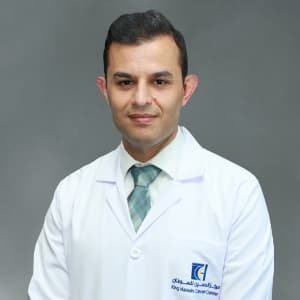
  2. 2Shadi Obeidat

    Shadi Obeidat serves at King Hussein Cancer Center as pulmonary and Critical Care Consultant. Professional qualifications include: Board Certified in Internal Medicine by the American Board of Internal Medicine, USA; Board Certified in Pulmonary Medicine by the American Board of Internal Medicine, USA; Board Certified in Critical Care Medicine by the American Board of Internal Medicine, USA; Board Certified in Pulmonary Medicine by the Jordan Medical Council; Board Certified in Critical Care Medicine by the Jordan Medical Council (Equation). Education and training include: 2010-2011: Critical Care Fellowship at Baylor College of Medicine, Texas, USA; 2008-2010: Pulmonary Medicine Fellowship at Marshall University, West Virginia, USA.

    Suits: Pulmonology

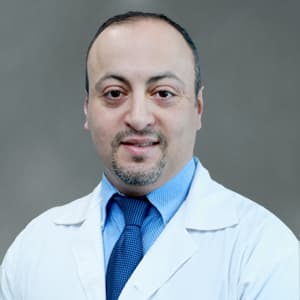
  3. 3Mohammed J. Al-Jaghbeer

    Mohammed J. Al-Jaghbeer serves at King Hussein Cancer Center as consultant, Pulmonary and Critical Care Medicine and Director of the Graduate Medical Education Office. Professional qualifications include: 2022: Jordanian Board of Pulmonary Medicine; 2016: American Board of Internal Medicine- Pulmonary Medicine; 2014: American Board of Internal Medicine - Critical Care Medicine; 2012: American Board of Internal Medicine. Education and training include: 2016: Fellowship in Pulmonary Medicine - University of South Carolina, Columbia, South Carolina, USA; 2014: Fellowship in Critical Care Medicine - University of Pittsburgh Medical Center, Pittsburgh, Pennsylvania, USA.

    Suits: Pulmonology

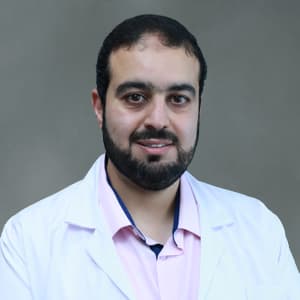
  4. 4Emad Haddadin

    Emad Haddadin serves at King Hussein Cancer Center as consultant Anesthesia and Pain Management. Professional qualifications include: 2014: Jordanian Board in Anesthesia and Intensive Care. Education and training include: 2005: MBBS, University of Jordan; 2013: Master’s in Anesthesia and Intensive Care, University of Jordan.

    Suits: Anesthesia & Intensive Care

  5. 5Mohammad Riziq

    Mohammad Riziq serves at King Hussein Cancer Center as consultant Anesthesia and Pain Management. Professional qualifications include: 2018: Jordanian Board in Anesthesia and Intensive Care. Education and training include: 2022-2023: Pain Medicine Fellowship, UK; 2013-2017: Anesthesia and ICU Resident, University of Jordan.

    Suits: Anesthesia & Intensive Care

How we chose this list

Every matching doctor profile in this area was scored out of 100 for how complete and checkable its published information is, and the highest scores appear here in order. Featured placement does not change a profile's score, and the score does not measure treatment quality or outcomes — it tells you how much you can check before you call.

  • Profile verified by the platform15
  • Approved reviews (number and average)20
  • Published years of experience (up to 25)15
  • Published qualifications10
  • Written professional biography8
  • Profile photo5
  • Published services8
  • Listed insurers7
  • Confirmed opening hours6
  • Published consultation fee3
  • Map location3

Ties are broken by the number of approved reviews, then published years of experience. Confirm the service, branch, appointment, fees and insurance coverage with the practice before visiting.

When do you need this specialty or procedure?

Critical care, also called intensive care medicine, looks after people whose lives are threatened by serious illness or injury. Typical examples are severe breathing failure, serious infection with sepsis, shock, major organ failure, or recovery after complex surgery. Most of this work happens on a hospital intensive care unit (ICU). There, patients may need close monitoring, breathing support or medicines to support blood pressure.

You do not usually book an intensive care admission yourself. Hospital teams arrange it when someone becomes seriously unwell. Critical care specialists also see patients in outpatient clinics, often through a second specialty:

  • Pulmonary and critical care physicians (the first three profiles here) deal with lung and breathing problems. Examples include long-term cough, breathlessness, lung changes found on scans, and follow-up after a stay in intensive care for a breathing illness.
  • Anesthesia and intensive care consultants (the last two profiles) work across anesthesia, intensive care and pain management. Their profiles list acute and chronic pain among their sub-specialties.

Reasons people commonly arrange a planned visit include:

  • Breathlessness that is getting worse over weeks or months
  • A cough that will not settle
  • Questions after a recent ICU stay
  • Ongoing pain that affects sleep or daily life
  • A referral from another doctor who wants a specialist opinion

Only a doctor who examines you can say what is causing your symptoms and what treatment fits your situation.

Warning signs that need urgent care

Do not wait for a clinic appointment if you or someone with you has:

  • Severe difficulty breathing, or being unable to speak in full sentences
  • Blue or grey lips or face
  • Chest pain or pressure
  • Sudden confusion, severe drowsiness or collapse
  • Coughing up a significant amount of blood
  • Signs of stroke, such as face drooping, arm weakness or slurred speech
  • High fever with fast breathing, cold or mottled skin, or feeling extremely unwell

People having cancer treatment should follow their own treatment team's advice on fever. Fever during chemotherapy can be an emergency.

In Jordan, call 911 for emergencies.

How to choose among the doctors here

All five profiles are based at King Hussein Cancer Center in Jubaiha. Choosing is therefore less about location and more about which kind of specialist matches your need.

  • Match the second specialty to your concern. For a lung or breathing question, the pulmonary and critical care profiles list pulmonology consultation and follow-up. For pain, or questions linked to anesthesia and intensive care, the anesthesia and pain management profiles are the closer fit.
  • Read the certifications. The profiles list boards from the United States and Jordan, and one lists a pain medicine fellowship in the UK. These show formal training. They do not show who will suit you personally.
  • Check whether you need to be a patient of the centre. A major cancer centre may have its own registration or referral process. Ask before you plan a visit.
  • Consider continuity. If you were treated at the centre, a consultant on its team may be able to see your records more easily. Ask the booking desk how this works.
  • Remember what the order means. The ranking reflects how complete each profile is, not clinical quality or outcomes.

What to expect at the first visit

A first specialist consultation usually involves:

  • A detailed history of your symptoms
  • A physical examination
  • A review of any tests you bring
  • A discussion of possible next steps, which may include further tests

What to bring

  • Your ID and insurance card, if you have one
  • Any referral letter
  • Hospital discharge summaries, especially from any ICU stay
  • Recent scans, X-ray reports and blood test results
  • Lung function test results, if you have had them
  • A current list of all your medicines, including supplements and inhalers
  • Any breathing devices or inhalers you use, so the doctor can see how you use them

If you have pain, a short diary helps. Note when the pain happens, how strong it is, and what makes it better or worse.

Questions worth asking

  • What do you think may be causing my symptoms, and what else should be ruled out?
  • Which tests do I need, and where are they done?
  • What warning signs should make me seek urgent care?
  • How will follow-up work, and who do I contact between visits?

A family member can come with you to help remember the advice. This is especially useful after a long hospital stay.

Insurance, fees and booking: what to ask before the appointment

Call or use the platform's booking option and ask:

  • What the consultation fee is, and whether follow-up visits cost the same
  • Whether your insurer is accepted at King Hussein Cancer Center for this clinic, and whether you need pre-approval
  • Whether a referral or prior registration at the centre is needed
  • Confirm appointments with King Hussein Cancer Center before visiting; a verified schedule is not available for each physician. Consult the current physician profile to arrange a visit.
  • Whether tests ordered on the day are billed separately

Get answers before the visit to avoid surprises at the reception desk.

Getting there

All five consultants are listed at King Hussein Cancer Center in Jubaiha, in Amman Governorate. Amman is home to around 5 million people and many of the kingdom's hospitals. Patients travelling to Jubaiha from districts such as Shmeisani, Gardens, Tla' Al-Ali, Khalda, Sweifieh, Abdoun, Dabouq or the 7th Circle should allow extra time at busy hours.

Visitors from outside Amman should confirm the clinic location within the centre when booking.

If someone is seriously unwell, call 911 rather than driving them yourself.

Checklist before you book

  • Decide whether your concern is mainly about breathing and the lungs, or about pain, anesthesia or intensive care
  • Confirm appointments with King Hussein Cancer Center before visiting; a verified schedule is not available for each physician. Consult the current physician profile to arrange a visit.
  • Ask whether a referral or registration at King Hussein Cancer Center is required
  • Ask the consultation fee and what your insurance covers
  • Gather discharge summaries, scans, test results and your medicine list
  • Write down your symptoms, when they started and your questions
  • Know the urgent warning signs, and that 911 is Jordan's emergency number

Frequently asked questions

How was this list of critical care specialists in Jubaiha chosen?
Many people search for the best Critical Care Specialists in Jubaiha. This list shows all five profiles on the platform for that scope. They are ordered by a published 100-point score for how complete and checkable each profile is. The score covers verification, reviews, experience, qualifications, biography, photo, services, insurers, hours, fee and map location. The order does not measure treatment quality or outcomes.
Can I book an ICU admission directly with a critical care specialist?
Generally no. Admission to intensive care is decided by hospital teams when a patient becomes seriously unwell, often through the emergency department or a hospital ward. The consultants listed here publish outpatient consultation and follow-up services. In an emergency, call 911 rather than trying to book a clinic appointment.
What is the difference between a pulmonary and critical care doctor and an anesthesia and intensive care consultant?
Pulmonary and critical care physicians are trained in internal medicine, lung diseases and intensive care. Their outpatient work often focuses on breathing problems. Anesthesia and intensive care consultants are trained in anesthesia, intensive care and, for the two listed here, pain management. Choose based on whether your main concern is your lungs or pain.
Where are these critical care specialists located?
All five profiles list King Hussein Cancer Center in Jubaiha, Amman, as their clinic. Ask when you book exactly where the clinic is within the centre, and whether you must register as a patient or bring a referral before your first visit.
What are the clinic hours for these consultants?
Confirm appointments with King Hussein Cancer Center before visiting; a verified schedule is not available for each physician. Consult the current physician profile to arrange a visit.
Should I see a specialist after a stay in intensive care?
Some people have lasting breathlessness, weakness, poor sleep, low mood or memory problems after intensive care. Major health bodies recognise follow-up as helpful for many survivors. Ask the treating hospital team or your own doctor whether a specialist review is right for you. Bring your discharge summary to the appointment.
Which warning signs mean I should go to emergency instead of booking?
Seek urgent help for any of these: severe difficulty breathing, blue lips, chest pain, sudden confusion or collapse, coughing up significant blood, signs of stroke, or high fever with fast breathing and feeling extremely unwell. In Jordan, call 911. Clinic appointments are for planned, non-urgent concerns.

This page helps you compare published profiles; it is not medical advice and does not rank clinical skill. In an emergency call 911 or go to the nearest emergency department.