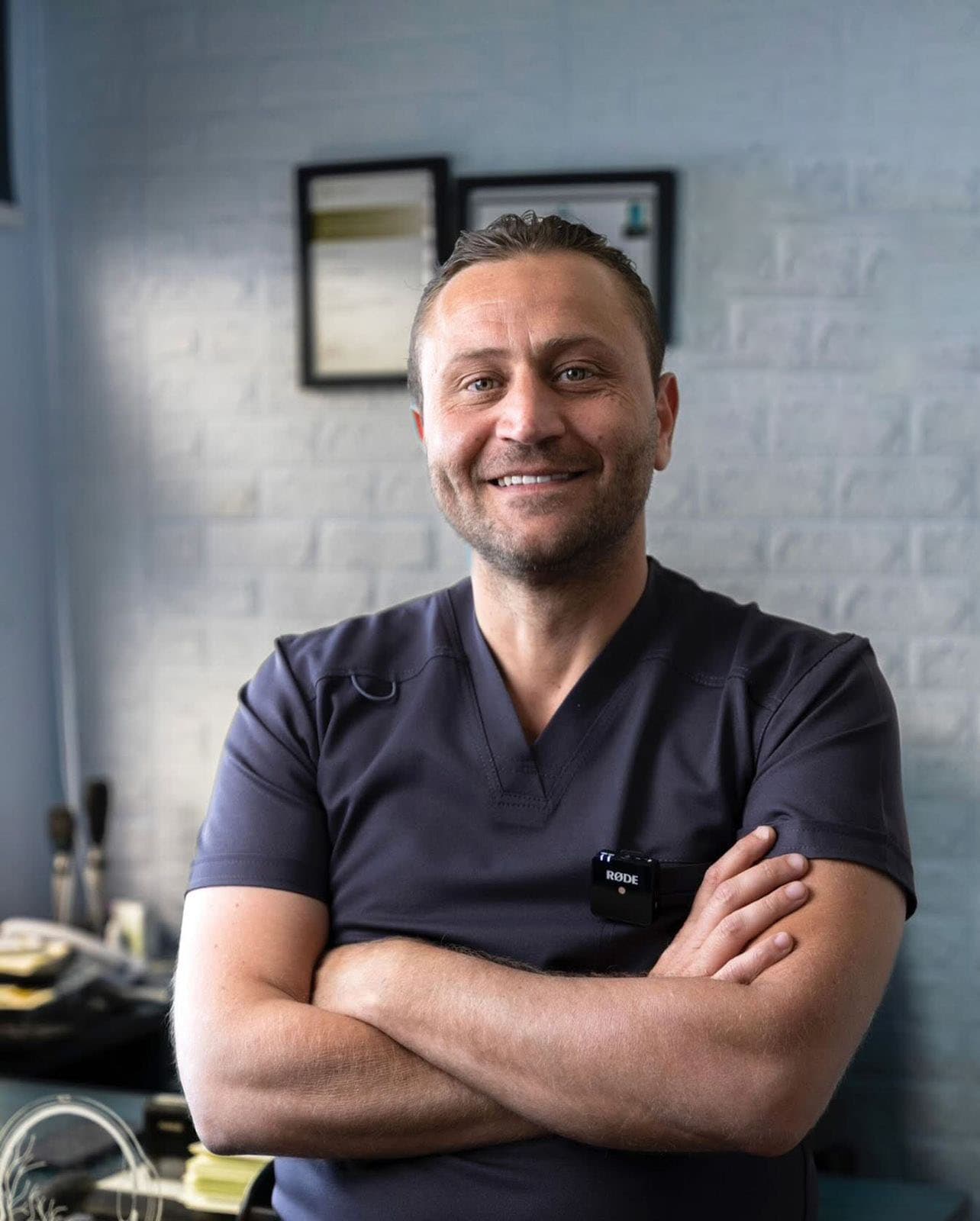
Dr. Ahmed Khalaf Nawaiseh Eye Clinic
Sign in to the platform to view the phone number
Hours not listedInsurance not specified24 views
Trusted medical platform in Jordan

If you are searching for the best eye doctors in Shmeisani, this page lists three ophthalmologists with clinics in the district. They are shown side by side with their clinic locations, confirmed opening hours and published services. The order reflects how complete each profile is, not clinical quality. Use the guide below to match a clinic to your needs, prepare for the first visit and know which eye symptoms need urgent care.
| # | Doctor | Area | Suits | Profile score |
|---|---|---|---|---|
| 1 | Ahmed Khalaf Nawaiseh | Shmeisani | Children's eye or squint concerns, cataract questions, hospital-based visits | 22/100 |
| 2 | Moath Al Hasan | Shmeisani | Retinal, cataract or refractive questions; Thursday afternoon appointments | 22/100 |
| 3 | Rawan Al Far | Shmeisani | Reviewing previous eye tests or reports; early-morning appointments | 22/100 |
Dr. Ahmed Khalaf Nawaiseh sees patients at Dr. Ahmed Khalaf Nawaiseh Eye Clinic, on the fourth floor of outpatient building A at the Specialty Hospital in Shmeisani. His profile lists ophthalmology consultations, eye symptom assessment and vision follow-up. His advertised care covers eye examinations, cataracts, refractive concerns, children's eyes and strabismus (squint). Confirmed hours are Saturday to Wednesday 10:00–18:00 and Thursday 10:00–15:00. The profile asks patients to contact reception to confirm attendance. It also notes that any procedure depends on the doctor's assessment, so treat the first appointment as an evaluation rather than a booked procedure.
Suits: Children's eye or squint concerns, cataract questions, hospital-based visits
Dr. Moath Al Hasan practises ophthalmology at Dr. Moath Al Hasan Eye Clinic in Abu Eid Plaza, opposite the Specialty Hospital emergency department in Shmeisani. The clinic advertises refractive, cataract and retinal consultations as well as eye examinations. His profile lists ophthalmology consultation, eye symptom assessment and vision follow-up. According to the record, the visit reviews your symptoms and medical history before investigations and follow-up are chosen. Confirmed hours are Saturday to Wednesday 10:00–17:00 and Thursday 10:00–16:00, the latest Thursday closing time of the three clinics. The profile asks patients to confirm the appointment by phone before attending.
Suits: Retinal, cataract or refractive questions; Thursday afternoon appointments
Dr. Rawan Al Far practises ophthalmology at Dr. Rawan Al Far Ophthalmology Clinic on Hunayn Bin Ishaq Street in Shmeisani. Consultations review eye symptoms, vision concerns and any previous investigations or reports before suitable follow-up is discussed. The profile lists ophthalmology consultation, symptom and investigation review, and treatment-plan follow-up. Confirmed hours are Saturday, Sunday, Tuesday and Wednesday 09:30–18:00, Monday 11:30–18:00 and Thursday 10:30–15:00. That makes it the earliest opening of the three clinics on most days. The clinic's professional contact confirms the required examination, visit requirements and the appointment, so ask about these when you book.
Suits: Reviewing previous eye tests or reports; early-morning appointments
Every matching doctor profile in this area was scored out of 100 for how complete and checkable its published information is, and the highest scores appear here in order. Featured placement does not change a profile's score, and the score does not measure treatment quality or outcomes — it tells you how much you can check before you call.
Ties are broken by the number of approved reviews, then published years of experience. Confirm the service, branch, appointment, fees and insurance coverage with the practice before visiting.
Ophthalmologists diagnose and treat diseases of the eye, correct vision problems and, depending on their training, perform surgery on structures such as the cornea and retina. Common reasons people in Amman book an eye appointment include:
Some eye symptoms should not wait for a routine clinic slot. Go to an emergency department or call 911 if you have:
The three clinics on this page are all in Shmeisani and all list general ophthalmology consultations. Their published details differ in useful ways, so match them to your situation:
People often search for the best eye doctors in Shmeisani, but the right choice depends on your symptoms, your timing and practical needs such as insurance. The list order does not rank skill or results.
A first ophthalmology visit usually starts with questions about your symptoms, your general health and your medicines. It is followed by an examination. This may include a vision test, an eye pressure check and a look at the front and back of the eye. Some examinations need dilating drops, which widen the pupils and can blur your vision and make you sensitive to light for several hours.
Call the clinic before you go and ask:
All three profiles ask patients to confirm appointments with the clinic before attending, so do not rely on walking in.
Shmeisani is one of Amman's central districts and is home to the Specialty Hospital, a useful reference point for two of the clinics listed here. Dr. Ahmed Khalaf Nawaiseh's clinic is inside the hospital's outpatient building A. Dr. Moath Al Hasan's clinic is described as opposite the hospital's emergency department. Dr. Rawan Al Far's clinic is on Hunayn Bin Ishaq Street in the same district.
If you are coming from other parts of Amman, such as Abdoun, Sweifieh, Jubeiha, Khalda, Tla' Al-Ali, Dabouq, the Gardens or the 7th Circle, allow extra time at busy hours. Use the map location on each profile where one is shown. Ask the clinic about parking and building access when you book. If your eyes are going to be dilated, a taxi or a lift is the safer choice for the trip home.
This page helps you compare published profiles; it is not medical advice and does not rank clinical skill. In an emergency call 911 or go to the nearest emergency department.