Ibn Al-Haytham Hospital Outpatient Clinics
Sign in to the platform to view the phone number
Hours 10:00–17:00 · 6 days a weekInsurance not specified48 views
Trusted medical platform in Jordan

If you are looking for the best hypertension specialists in Amman, this page lists four doctors on ClinicsJo who include hypertension in their practice. All four are nephrologists (kidney specialists), which suits blood pressure problems linked to the kidneys. They are ordered by how complete their published profiles are, not by clinical quality. You can compare their clinic areas, services, insurers and hours, then prepare for your visit.
| # | Doctor | Area | Suits | Profile score |
|---|---|---|---|---|
| 1 | Jawad Al Syouri | Tla' Al Ali | Diabetic or kidney patients needing blood pressure and medication review | 47/100 |
| 2 | Ismaeel Qatash | Fifth Circle | Blood pressure medication and diuretic review alongside kidney follow-up | 45/100 |
| 3 | Saleh Abu Ramah | Arjan | Early-day appointments for kidney-related high blood pressure or transplant follow-up | 37/100 |
| 4 | Riyad Abdel Raouf Saeed | Jabal Amman | Arabic or English speakers with kidney-related hypertension or glomerular disease | 20/100 |
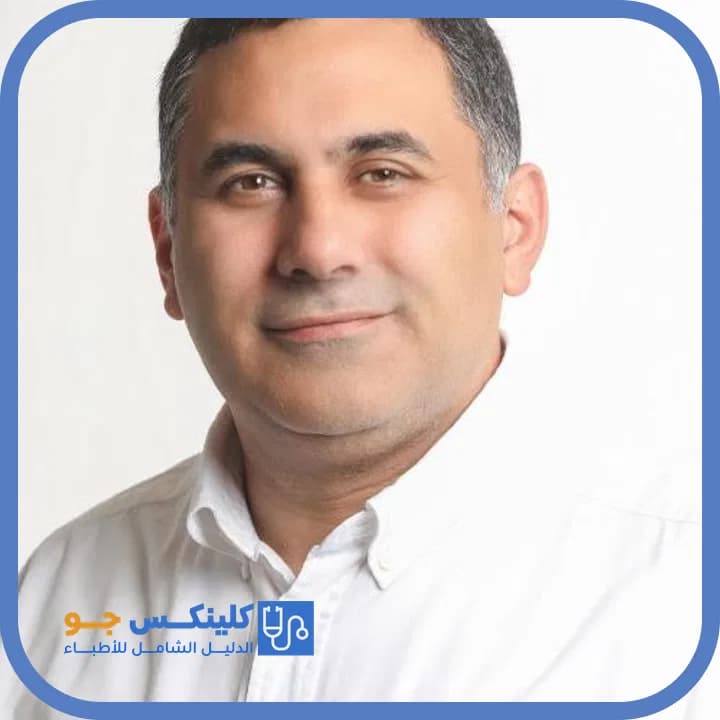
Dr. Jawad Al Syouri is a nephrologist with hypertension as a listed sub-specialty. He sees patients at Ibn Al-Haytham Hospital Outpatient Clinics in Tla' Al Ali. He studied medicine at the University of Bucharest, Romania, and holds Jordanian Boards in Internal Medicine and Nephrology. His published services include renal hypertension assessment, blood pressure monitoring, diabetic kidney disease follow-up, kidney failure care, and follow-up for dialysis and kidney-transplant patients. His biography notes a focus on renal function and medication review. Confirmed hours are Saturday to Thursday, 10:00–17:00. Listed insurers include Solidarity - First Insurance Company, Euro Arab Insurance Group, MedGulf, MedNet, MedVisa and NatHealth.
Suits: Diabetic or kidney patients needing blood pressure and medication review
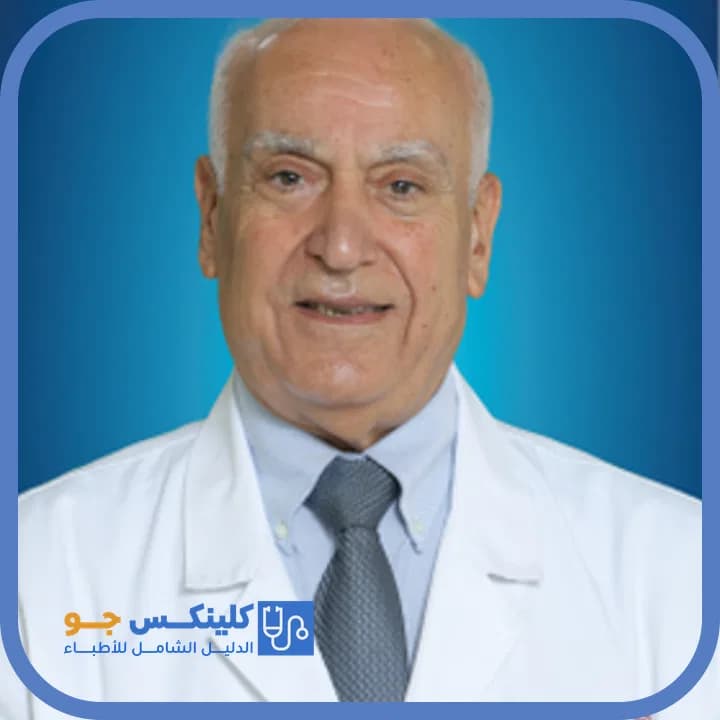
Dr. Ismaeel Qatash is a consultant nephrologist whose sub-specialties are dialysis, kidney transplant and hypertension. He holds American Board qualifications in Internal Medicine and Nephrology. According to his biography, he sees patients at Khalaf Medical Complex near Amman's Fifth Circle. His published services include blood pressure medication management, management of diuretics, fluid and electrolyte assessment, proteinuria follow-up, chronic kidney disease follow-up, acute kidney injury management, and blood and urine test review. Confirmed hours are Saturday to Wednesday, 10:00–16:00, and Thursday, 10:00–15:00. Arab Orient Insurance is listed among accepted insurers.
Suits: Blood pressure medication and diuretic review alongside kidney follow-up
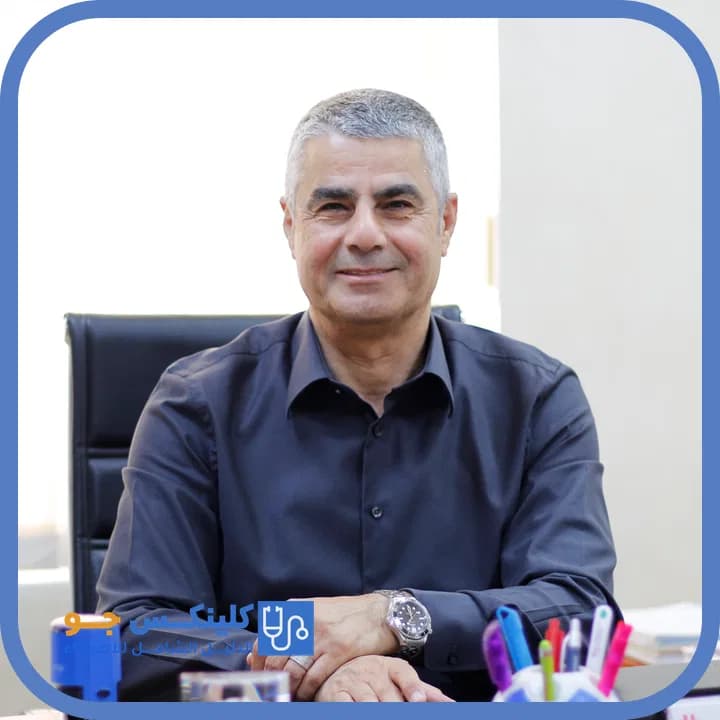
Dr. Saleh Abu Ramah is a nephrologist with hypertension as a listed sub-specialty. He consults at Istiklal Hospital Outpatient Clinics in Arjan, in clinic 203 on the second floor. His record lists a medical degree from Cairo University, the American Board in Internal Medicine (1982), a board qualification in nephrology, and training at the University of Michigan, Ann Arbor. His published services include assessment of kidney-related hypertension, nephrology consultation and kidney transplant follow-up. Confirmed hours are Saturday to Thursday, 08:00–16:00. His biography advises booking through outpatient reception and confirming attendance before you go.
Suits: Early-day appointments for kidney-related high blood pressure or transplant follow-up
Professor Riyad Abdel Raouf Saeed is a consultant nephrologist and kidney-transplant physician at Jordan Hospital and Medical Centre Outpatient Clinics in Jabal Amman. His sub-specialties are kidney transplant and hypertension. His biography records medical studies at Cairo University, internal medicine training in Chicago and a nephrology fellowship at Northwestern University, with a background in academic and clinical nephrology. Published services cover kidney-related hypertension, glomerular kidney disease, electrolyte and acid-base disorders, and kidney transplant consultations. He speaks Arabic and English. His biography suggests bringing kidney-function results, medication lists and previous reports to help guide the discussion.
Suits: Arabic or English speakers with kidney-related hypertension or glomerular disease
Every matching doctor profile in this area was scored out of 100 for how complete and checkable its published information is, and the highest scores appear here in order. Featured placement does not change a profile's score, and the score does not measure treatment quality or outcomes — it tells you how much you can check before you call.
Ties are broken by the number of approved reviews, then published years of experience. Confirm the service, branch, appointment, fees and insurance coverage with the practice before visiting.
High blood pressure (hypertension) often causes no symptoms, which is why regular checks matter. Most people are diagnosed and managed by a general practitioner, family doctor or internist. A specialist referral becomes more relevant when blood pressure stays high despite treatment, when it starts at a young age or rises suddenly, or when a secondary cause is suspected, such as kidney disease.
All four doctors on this page are nephrologists who list hypertension as a sub-specialty. The kidneys and blood pressure are closely linked: long-term high blood pressure can damage the kidneys, and kidney disease can push blood pressure up. A nephrologist's view may therefore be useful if you:
Your usual doctor can help you decide whether a kidney specialist, a cardiologist or continued primary care is the right next step.
Call 911 or go to the nearest emergency department if a high reading comes with chest pain, severe shortness of breath, a sudden severe headache, confusion, blurred or lost vision, weakness or numbness on one side of the body, difficulty speaking, or fainting. These can signal a stroke, heart attack or hypertensive emergency and should not wait for a clinic appointment. Do not stop or change prescribed medicines on your own; ask your doctor first.
People searching for the best hypertension specialists in Amman usually want someone whose focus fits their situation and whose clinic is practical to reach. The order on this page reflects profile completeness only, so use these criteria instead:
A first hypertension consultation with a nephrologist usually involves a detailed history, a blood pressure measurement, a physical examination and a review of previous results. The doctor may request blood and urine tests to assess kidney function, electrolytes and protein in the urine, and sometimes imaging. Diagnosis and treatment decisions depend on your individual results.
Before booking, call the clinic or check with your insurer, and ask:
Insurer lists on profiles are a starting point, so confirm directly. For hospital outpatient clinics, the booking may go through a central reception rather than the doctor's own office, so ask which desk or clinic number to go to.
Amman, home to around 5 million residents, has the kingdom's largest concentration of hospitals and specialty clinics, including Jordan University Hospital, King Hussein Medical Center, Al-Bashir Hospital, Specialty Hospital and Istishari Hospital. The doctors on this page practise in different parts of the city. Check the address and map on each profile.
One listed clinic is in Tla' Al-Ali, which is convenient for people living in Khalda, the Gardens or Jubeiha. Others are in more central parts of the city, closer to Shmeisani and the circles. If you live in Abdoun, Sweifieh, Dabouq or near the 7th Circle, allow extra time at peak hours. Hospital clinics can have busy car parks, so arriving a little early helps, especially if your blood pressure is checked at the start. Rushing can push readings up.
Consultation fees of Hypertension doctors in Amman published on ClinicsJo: Jawad Al Syouri (30 JOD). They are the fees the doctors' profiles show, for the consultation only; tests and procedures depend on your case.
Before booking, ask the clinic for the all-inclusive price and what it covers, any extra tests or scans, how many follow-up visits are included, the payment options, and whether your insurance is accepted. You can reach them through the contact details on the profiles on this page.
The figures above are the ones the profiles on ClinicsJo show and may change. We do not estimate prices. Confirm the price with the clinic before booking. Offers on ClinicsJo
This page helps you compare published profiles; it is not medical advice and does not rank clinical skill. In an emergency call 911 or go to the nearest emergency department.