Top 5 Kidney Transplant Specialists in Amman — Reviewing kidney tests with a clinician — directory of the best Kidney Transplant doctors in Amman

Top 5 Kidney Transplant Specialists in Amman 2026

Looking for the best kidney transplant specialists in Amman? This page lists five nephrologists whose published services include kidney transplant consultation, assessment or follow-up. They are ordered by how complete and checkable their public profiles are, not by clinical skill or outcomes. You can compare qualifications, services, clinic locations, confirmed hours and listed insurers, then use the guide below to prepare questions before you book.

5 of 7 doctors on ClinicsJoUpdated 18 October 2026How we chose

At a glance

#DoctorAreaSuitsProfile score
1Bisher KawarAbdaliTransplant follow-up, pre-dialysis and dialysis care, many listed insurers47/100
2Ismaeel QatashFifth CircleTransplant and dialysis follow-up with blood pressure management45/100
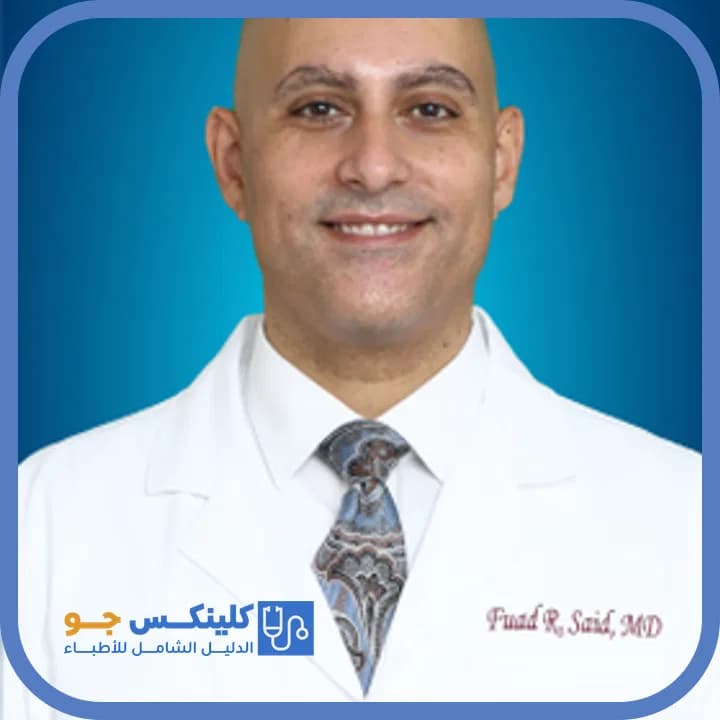
3Fouad Riad SaeedJabal AmmanPost-transplant care, glomerulonephritis, kidney disease in pregnancy40/100
4Mohammad Walid Abu ZinehKhaldaTransplant recipients and potential living donors in west Amman40/100
5Ammar AlhiyariShmeisaniPost-transplant follow-up and diabetes-related kidney disease in Shmeisani27/100
  1. 1Bisher Kawar

    Dr. Bisher Kawar is a consultant nephrologist at Abdali Hospital Outpatient Clinics in Abdali. His listed sub-specialties are dialysis and kidney transplant. He studied medicine at Newcastle University (2000) and earned a Doctor of Medicine at the University of Sheffield (2009). He completed UK specialist training in nephrology, with a Certificate of Completion of Training from the General Medical Council (2010), and holds the Jordanian Board in Nephrology (2017). Published services include kidney transplant consultation, medical kidney transplant follow-up, pre-dialysis care, dialysis follow-up, hypertension assessment and kidney disease follow-up during pregnancy. The profile lists eight insurers, including GlobeMed, MedNet and NatHealth. Confirmed hours are 10:00–17:00, Saturday to Thursday.

    Suits: Transplant follow-up, pre-dialysis and dialysis care, many listed insurers

  2. 2Ismaeel Qatash

    Dr. Ismaeel Qatash is a consultant nephrologist whose profile lists American Board qualifications in internal medicine and in nephrology. His sub-specialties are dialysis, kidney transplant and hypertension. He sees patients at his nephrology clinic in Khalaf Medical Complex near Amman's Fifth Circle. Published services cover kidney transplant consultation and follow-up, dialysis patient follow-up, chronic kidney disease and acute kidney injury. They also include nephritis, proteinuria, fluid and electrolyte assessment, blood pressure medication management and review of blood and urine tests. Arab Orient Insurance is the listed insurer. Confirmed hours are 10:00–16:00 from Saturday to Wednesday and 10:00–15:00 on Thursday.

    Suits: Transplant and dialysis follow-up with blood pressure management

  3. 3Fouad Riad Saeed

    Dr. Fouad Riad Saeed is a consultant nephrologist at Jordan Hospital. He sees patients at the Jordan Hospital and Medical Centre Outpatient Clinics in Jabal Amman. He studied medicine at the University of Jordan (2003), then completed an internal medicine residency (2008) and a nephrology fellowship (2010) at Brown University. His listed interests include medical care after kidney transplantation, glomerulonephritis, hypertension, and kidney disease and hypertension during pregnancy. Published services include kidney transplant consultation, medical transplant follow-up and review of kidney test results. Consultations are offered in Arabic and English. Confirmed hours are 10:00–17:00, Saturday to Thursday.

    Suits: Post-transplant care, glomerulonephritis, kidney disease in pregnancy

  4. 4Mohammad Walid Abu Zineh

    Dr. Mohammad Walid Abu Zineh provides internal medicine and nephrology consultations on the second floor of Saudi Hospital in Khalda. His profile lists the Jordanian Board in Nephrology and the Arab Board in Internal Medicine. It also lists US nephrology and transplant fellowship training at Johns Hopkins and Missouri, and a British nephrology fellowship. His published services cover both recipients and donors: renal transplant assessment and follow-up, plus kidney donor assessment. He also follows chronic kidney disease, proteinuria, electrolyte disorders, renal hypertension, dialysis patients and kidney disease in pregnancy. His biography also mentions recurrent kidney stones. Confirmed hours are 10:00–17:00, Saturday to Thursday.

    Suits: Transplant recipients and potential living donors in west Amman

  5. 5Ammar Alhiyari

    Dr. Ammar Alhiyari is described as a consultant in internal medicine, nephrology and kidney transplantation, with a private practice in Shmeisani. The clinic is in Al Riyadh Medical Complex on Hunain Bin Ishaq Street, behind the Specialty Hospital emergency department. Listed services include nephrology and internal medicine consultations, renal impairment follow-up, medical follow-up after kidney transplantation and high blood pressure assessment. The biography also mentions renal failure and diabetes-related kidney disease. Patients are invited to bring blood and urine results and previous treatment reports. Appointments are arranged by telephone. Confirmed hours are 10:00–17:00, Saturday to Thursday.

    Suits: Post-transplant follow-up and diabetes-related kidney disease in Shmeisani

This shortlist covers 5 of the 7 matching doctors on ClinicsJo. Browse the full list and filter it.

How we chose this list

Every matching doctor profile in this area was scored out of 100 for how complete and checkable its published information is, and the highest scores appear here in order. Featured placement does not change a profile's score, and the score does not measure treatment quality or outcomes — it tells you how much you can check before you call.

  • Profile verified by the platform15
  • Approved reviews (number and average)20
  • Published years of experience (up to 25)15
  • Published qualifications10
  • Written professional biography8
  • Profile photo5
  • Published services8
  • Listed insurers7
  • Confirmed opening hours6
  • Published consultation fee3
  • Map location3

Ties are broken by the number of approved reviews, then published years of experience. Confirm the service, branch, appointment, fees and insurance coverage with the practice before visiting.

When do you need a kidney transplant specialist?

Kidney transplant specialists on this page are nephrologists, doctors who diagnose and manage kidney disease. In transplantation, their role is mostly medical. They:

  • assess whether a person with advanced chronic kidney disease or kidney failure may be suitable for a transplant;
  • prepare patients for the transplant;
  • assess potential living donors, where this is offered;
  • follow recipients for years after surgery, including blood tests and long-term medicines.

The operation itself is carried out by a surgical transplant team. Your nephrologist usually coordinates with that team.

It is worth booking a nephrology visit if you have:

  • a rising creatinine on blood tests or a falling eGFR;
  • high blood pressure that does not respond to treatment;
  • blood or protein in the urine;
  • swelling in the feet or ankles without a clear cause;
  • diabetes with kidney function that is getting worse;
  • recurrent kidney stones or repeated kidney infections;
  • current dialysis, or a doctor telling you dialysis may be needed in future.

Many guidelines suggest discussing transplantation early, before dialysis starts, so testing has time to happen.

Urgent warning signs

If you have had a transplant, seek care the same day if you notice any of these:

  • fever or shivering;
  • pain or tenderness over the transplanted kidney;
  • a sharp drop in urine output;
  • sudden swelling or rapid weight gain;
  • vomiting or diarrhoea that stops you keeping your medicines down.

For anyone with kidney disease, the following are emergencies:

  • shortness of breath;
  • chest pain;
  • confusion;
  • severe weakness;
  • an irregular heartbeat;
  • passing very little or no urine.

Call 911 or go to the nearest emergency department. Never stop or change anti-rejection or blood pressure medicines on your own; contact your treating team first.
How to choose among the doctors here

People searching for the best kidney transplant specialists in Amman usually need a doctor who fits their stage of the journey. Start with that.

  • Before a transplant: Look for transplant consultation and assessment in the published services. Dr. Kawar also lists pre-dialysis care, which can matter if you are not yet on dialysis.
  • Living donation: If a relative or friend is thinking of donating, Dr. Abu Zineh's profile lists kidney donor assessment alongside recipient assessment.
  • After a transplant: All five profiles list transplant follow-up. Follow-up is lifelong, so practical factors (distance, hours, insurance) matter as much as credentials.
  • On dialysis: Dr. Kawar, Dr. Qatash and Dr. Abu Zineh list dialysis patient follow-up.
  • Specific conditions: Dr. Saeed lists glomerulonephritis. Dr. Qatash and Dr. Abu Zineh list nephritis treatment. Kidney disease in pregnancy appears in the services of Dr. Kawar, Dr. Saeed and Dr. Abu Zineh. Dr. Alhiyari's biography mentions diabetes-related kidney disease.
  • Setting: Three doctors work in hospital outpatient clinics: Abdali Hospital, Jordan Hospital and Saudi Hospital. Two practise from medical complexes. A hospital-based clinic may make same-site tests convenient, but ask rather than assume.
  • Qualifications: Each profile shows its published education and boards. Read them alongside the services rather than as a ranking.
  • Language: If you need consultations in a particular language, ask when booking. Dr. Saeed's profile lists Arabic and English.

What to expect at the first visit

A first nephrology consultation for transplant purposes usually includes:

  • a detailed history and an examination;
  • a review of your previous results;
  • a discussion of which further tests are needed.

Transplant assessment is rarely finished in one visit. Expect several appointments and investigations.

What to bring

  • Recent blood tests (creatinine, eGFR, electrolytes, blood count) and urine tests.
  • Kidney ultrasound or other imaging reports.
  • Dialysis records, if you are on dialysis.
  • For transplant recipients: the discharge summary from the transplant hospital and recent drug-level results.
  • A complete list of medicines as prescribed, including supplements and herbal products.
  • A home blood pressure log, if you keep one.
  • Reports on other conditions such as diabetes or heart disease.
  • Your insurance card and ID.

Questions to ask

  • Based on my results, should I be assessed for a transplant now?
  • What tests will I need, and roughly how many visits?
  • Can a family member be assessed as a living donor, and who does that?
  • How do you coordinate with the surgical transplant team?
  • After a transplant, how often will I need blood tests and visits?
  • Who should I contact if I have a problem outside clinic hours?

Insurance, fees and booking: what to ask before the appointment

Transplant care involves many visits and frequent lab tests, so check costs early.

  • Listed insurers: Dr. Kawar's profile lists eight insurers, including Euro Arab Insurance Group, Arab Orient Insurance, GlobeMed, MedNet, NatHealth and OmniCare. Dr. Qatash lists Arab Orient Insurance. For the other doctors, ask the clinic directly.
  • Confirm coverage: Ask whether your specific policy covers nephrology consultations with that doctor. Ask also whether lab tests, imaging and transplant work-up need pre-approval.
  • Fees: Ask the consultation fee and whether follow-up visits are charged differently.
  • Booking: Dr. Alhiyari's clinic arranges appointments by telephone. For any clinic, confirm the day and time before travelling, since schedules can change.

Getting there

Amman is the capital and the centre of Jordan's healthcare system, with around 5 million residents. It has the kingdom's largest concentration of hospitals and specialty clinics. Major hospitals in the city include:

  • Jordan University Hospital
  • King Hussein Medical Center
  • Al-Bashir Hospital
  • King Hussein Cancer Center
  • Specialty Hospital
  • Istishari Hospital

Among the listed doctors, one clinic is in Khalda and another is in Shmeisani, close to Specialty Hospital. The others are in different parts of the city, so check the map location on each profile.

If you live in western districts such as Dabouq, Tla' Al-Ali or the Gardens, compare travel times at the hour of your appointment. Traffic around the 7th Circle, Sweifieh and Shmeisani can be heavy at peak times. Allow extra time for parking and lab visits.

Transplant recipients take medicines that lower immunity. Follow your team's advice on reducing infection risk in crowded waiting areas.

Checklist before you book

  • Decide what you need: transplant assessment, donor assessment, post-transplant follow-up or dialysis-related care.
  • Check that the doctor's published services match that need.
  • Compare clinic location and confirmed hours with your routine and travel options.
  • Confirm with the clinic and your insurer that your policy is accepted.
  • Ask about the consultation fee and follow-up costs.
  • Gather recent blood and urine results, imaging, dialysis records and transplant reports.
  • Write a full list of your current medicines as prescribed.
  • Prepare your questions about tests, timelines and coordination with the surgical team.
  • Know the urgent warning signs, and that 911 is Jordan's emergency number.

How much do Kidney Transplant doctors in Amman charge for a consultation?

None of the Kidney Transplant doctor profiles in Amman on ClinicsJo shows a consultation fee yet (profiles: 7), so we do not quote an estimated figure. The clinic or doctor sets the price after assessing your case, and it varies between clinics for the reasons below.

What sets the price with Kidney Transplant doctors?

  • Surgeon and anaesthetist fees
  • The hospital, room type and length of stay
  • The technique used (keyhole, laser or open surgery)
  • Pre-operative tests and medical supplies
  • Follow-up visits after the operation

How to ask about the price

Before booking, ask the clinic for the all-inclusive price and what it covers, any extra tests or scans, how many follow-up visits are included, the payment options, and whether your insurance is accepted. You can reach them through the contact details on the profiles on this page.

When clinics publish offers, prices or consultation fees, they appear on the offers page and in this section. Offers on ClinicsJo

Frequently asked questions

How was this list of kidney transplant specialists in Amman chosen?
Profiles are ordered by a published 100-point score of how complete and checkable their information is. The score covers verification, reviews, published experience, qualifications, biography, photo, services, insurers, confirmed hours, fee and map location. Featured placement does not change the score. The order does not measure treatment quality or outcomes, so read each profile against your own needs.
Do these doctors perform the kidney transplant operation?
The doctors listed are nephrologists. Their published services describe transplant consultation, assessment and medical follow-up, and one profile also lists donor assessment. The surgery itself is done by a surgical transplant team. Ask the nephrologist how they work with that team and where your transplant would take place.
Should I see a transplant specialist before starting dialysis?
Mainstream guidance encourages people with advanced chronic kidney disease to discuss transplantation early, because assessment takes time. In some cases a transplant can happen before dialysis is needed. Whether this applies to you depends on your tests and overall health. Dr. Kawar's profile lists pre-dialysis care, and every listed doctor offers kidney consultations.
Can a family member be assessed as a living kidney donor?
Living donors go through a careful medical and psychological assessment. It checks their own long-term kidney health and their compatibility with the recipient. Legal and ethical requirements also apply, and your transplant team will explain them. Among the profiles here, Dr. Abu Zineh lists kidney donor assessment as a published service.
What symptoms after a kidney transplant need urgent care?
Seek care the same day for fever, pain over the transplanted kidney, a sharp drop in urine, sudden swelling or weight gain, or vomiting that stops you taking your medicines. Breathlessness, chest pain or confusion are emergencies: call 911. Do not stop anti-rejection medicines without advice from your team.
Which of these doctors accept health insurance?
Dr. Kawar's profile lists eight insurers, including GlobeMed, MedNet, NatHealth and Arab Orient Insurance. Dr. Qatash lists Arab Orient Insurance. For the other doctors, contact the clinic. In every case, confirm with your insurer that your policy covers the consultation and any tests, as coverage varies by plan.

This page helps you compare published profiles; it is not medical advice and does not rank clinical skill. In an emergency call 911 or go to the nearest emergency department.