Top 5 Palliative Care Specialists in Jubaiha — A caregiver attending to an older man at home — directory of the best Palliative Care doctors in Jubaiha, Amman

Top 5 Palliative Care Specialists in Jubaiha 2026

Looking for the best palliative care specialists in Jubaiha? This page lists the five palliative care doctors with profiles on ClinicsJo for Jubaiha, Amman. All five are based at King Hussein Cancer Center. They are ordered by how complete their published information is, not by clinical quality. Compare their board certifications, services and clinic hours, then read practical guidance on referrals, first visits and questions to ask.

5 of 7 doctors on ClinicsJoUpdated 18 October 2026How we chose

At a glance

#DoctorAreaSuitsProfile score
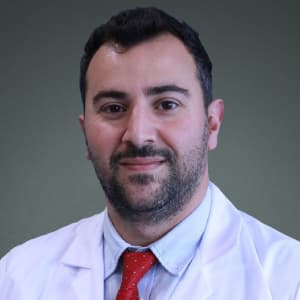
1Omar ShamiehJubaihaPalliative Care34/100
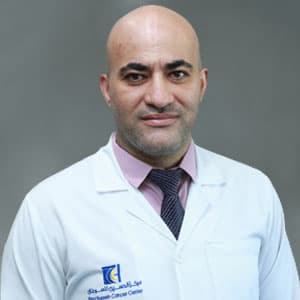
2Emad Abu ZakyahJubaihaPalliative Care31/100
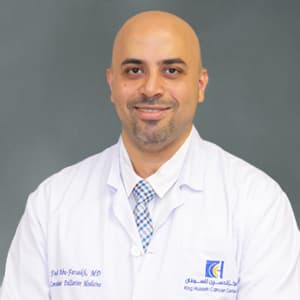
3Fadi Abu-FarsakhJubaihaPalliative Care31/100
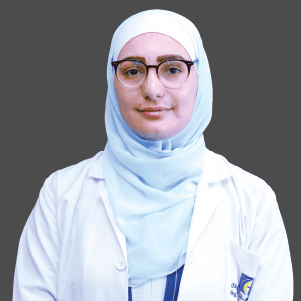
4Lina AlhasasnehJubaihaPalliative Care31/100
5Mohammad AlNemerJubaihaPalliative Care31/100
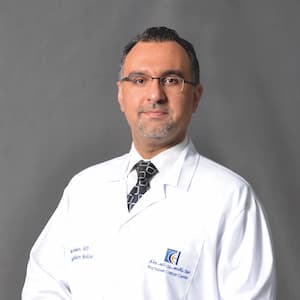
  1. 1Omar Shamieh

    Omar Shamieh serves at King Hussein Cancer Center as chairman, Department of Hospice, Palliative Medicine. Professional qualifications include: American Board of Hospice & Palliative Medicine (HPM); American Board of Geriatric Medicine; American Board of Internal Medicine (ABIM); Jordanian Board of Internal Medicine; Jordanian Board of Hospice & Palliative Medicine. Education and training include: M.B.B.S Bangalore University, India; Post Graduate Certificate “Health Service Administration” (HAS) Keller Graduate School of Management, DeVry University, USA.

    Suits: Palliative Care

  2. 2Emad Abu Zakyah

    Emad Abu Zakyah serves at King Hussein Cancer Center as consultant Palliative Medicine. Professional qualifications include: 2025: Palliative Medicine Board, Jordan; 2022: Internal Medicine Board, Jordan. Education and training include: 2024-2025: Palliative Medicine Fellow, University of Toronto, Canada; 2022-2024: Palliative Medicine Fellow, King Hussein Cancer Center, Jordan.

    Suits: Palliative Care

  3. 3Fadi Abu-Farsakh

    Fadi Abu-Farsakh serves at King Hussein Cancer Center as consultant Palliative Medicine. Professional qualifications include: 2020: Hospice Medical Director Board Certificate (HMDC); 2017: Jordanian Board of Palliative Care; 2015: Jordanian Board of Internal Medicine. Education and training include: 2020-2021: Hospice and Palliative Medicine Fellowship, Michigan State University, Grand Rapids, Michigan; 2019-2020: Geriatric Medicine, Louisiana State University – Health Science Center (LSU-HSC), New Orleans, Louisiana.

    Suits: Palliative Care

  4. 4Lina Alhasasneh

    Lina Alhasasneh serves at King Hussein Cancer Center as consultant Palliative Medicine. Professional qualifications include: 2025: Jordanian Board of Palliative Care; 2022: Jordanian Board of Internal Medicine. Education and training include: 2025-2026: Palliative Medicine and Advance Care Planning Clinical Fellowship, University of Toronto, Canada; 2022-2025: Palliative Medicine Fellowship, King Hussein Cancer Center (KHCC), Jordan.

    Suits: Palliative Care

  5. 5Mohammad AlNemer

    Mohammad AlNemer serves at King Hussein Cancer Center as consultant Palliative Care. Professional qualifications include: 2022: Jordanian Board in Palliative Care; 2017: Jordanian Board in Internal Medicine. Education and training include: 2022: Fellow, Palliative Medicine, KHCC, Jordan; 2018-2020: Specialist Internal Medicine, Riyadh, Saudi Arabia.

    Suits: Palliative Care

This shortlist covers 5 of the 7 matching doctors on ClinicsJo. Browse the full list and filter it.

How we chose this list

Every matching doctor profile in this area was scored out of 100 for how complete and checkable its published information is, and the highest scores appear here in order. Featured placement does not change a profile's score, and the score does not measure treatment quality or outcomes — it tells you how much you can check before you call.

  • Profile verified by the platform15
  • Approved reviews (number and average)20
  • Published years of experience (up to 25)15
  • Published qualifications10
  • Written professional biography8
  • Profile photo5
  • Published services8
  • Listed insurers7
  • Confirmed opening hours6
  • Published consultation fee3
  • Map location3

Ties are broken by the number of approved reviews, then published years of experience. Confirm the service, branch, appointment, fees and insurance coverage with the practice before visiting.

When do you need palliative care?

Palliative care is specialist medical care for people living with a serious illness, such as advanced cancer, heart failure, lung disease, kidney failure or neurological conditions. Its aim, as described by the WHO, is to improve quality of life for the patient and the family. It does this by preventing and relieving pain and other physical, emotional and practical problems.

A common misunderstanding is that palliative care is only for the last days of life. In fact it can start at any stage of a serious illness. It often runs alongside treatment aimed at the disease itself, such as chemotherapy or surgery. Hospice care is the part of palliative care focused on the final phase of life, when curative treatment is no longer the goal.

It may be worth asking your treating doctor about a palliative care consultation if you or a relative have:

  • Pain that is not well controlled, or medicines that cause troublesome side effects
  • Breathlessness, nausea, vomiting, constipation, poor appetite or weight loss
  • Severe tiredness or poor sleep that affects daily life
  • Anxiety, low mood or distress about the illness
  • Difficult decisions to make about treatment options or future care
  • A carer who is exhausted or unsure how to cope at home

Warning signs that need urgent care

Some symptoms should not wait for a clinic appointment. Call 911 (Jordan's emergency number) or go to the nearest emergency department for:

  • Sudden severe breathlessness, chest pain or choking
  • Heavy bleeding, or vomiting blood
  • A new seizure, sudden confusion, or difficulty waking the person
  • New back pain with leg weakness, numbness, or loss of bladder or bowel control
  • Fever or shivering in someone receiving chemotherapy
  • Severe pain that is suddenly much worse and not eased by the prescribed plan
  • Being unable to keep fluids down

How to choose among the doctors here

All five doctors listed are palliative care consultants at King Hussein Cancer Center in Jubaiha. They share the same published services (consultation and follow-up) and the same confirmed hours. So the choice is often less about the individual doctor and more about how the centre's palliative service works.

Practical points to weigh:

  • How the service is accessed. In a hospital-based department, appointments are often arranged through your treating team or a referral. Ask your oncologist or treating doctor which palliative clinic you should be booked into.
  • Published training. Each profile lists board certifications. Some include internal medicine and geriatric medicine, and one includes a hospice medical director certificate. If you have a specific concern, such as an elderly relative with several conditions or hospice planning, mention it when booking and ask who in the team usually handles it.
  • Continuity. Palliative care works best with regular follow-up. Ask whether you can usually see the same doctor or team at each visit.
  • Where you are already treated. If care is at another hospital, such as Jordan University Hospital, King Hussein Medical Center, Al-Bashir Hospital, Specialty Hospital or Istishari Hospital, ask the team there whether palliative support is available in-house or by referral.

If you searched for the best palliative care specialists in Jubaiha, remember that the order on this page reflects profile completeness, not skill or outcomes.

What to expect at the first visit

A first palliative care appointment is usually a long conversation rather than a quick check. The doctor will ask about symptoms, daily routine, sleep, eating, mood and what matters most to the patient. They may also ask about family support at home. A plan is then agreed, which may include changes to medicines, referrals to other team members, and a date for follow-up.

What to bring

  • A list of all current medicines, including doses, timings and any herbal products, or the medicine packets themselves
  • Recent reports, scans and discharge summaries, plus the name of the treating doctor
  • A short symptom diary: what hurts, when, how badly, and what helps
  • A family member or carer, if the patient wishes, to help remember the discussion
  • Your ID and any insurance or referral documents

Questions worth asking

  • What can be done about the symptom that bothers me most?
  • Who should we contact if symptoms get worse at night or at the weekend?
  • How will palliative care fit with my current treatment?
  • What support is available for the family or carer?
  • When should we come back, and what should prompt an earlier visit?

It is fine to ask the doctor to explain things more simply. You can also ask for difficult topics to be discussed at a later visit.

Insurance, fees and booking: what to ask before the appointment

Because these doctors practise within a hospital department, fees and insurance are usually handled by the hospital rather than the individual doctor. Before the visit, ask the centre:

  • Whether your insurance covers palliative care consultations and follow-up, and whether pre-approval is needed
  • Whether a referral letter from your treating doctor is required
  • What the consultation fee is if you are paying yourself, and whether follow-up visits are charged differently
  • Whether medicines prescribed by the palliative team are covered under your plan
  • How to reschedule if the patient is too unwell to attend

Write down the name of the person you spoke to and what was agreed.

Getting there

All five listings are at King Hussein Cancer Center in Jubaiha, Amman. Visitors coming from other parts of the capital, such as Shmeisani, Sweifieh, Khalda, Tla' Al-Ali, Abdoun, Dabouq, the Gardens or the 7th Circle, should allow extra time for traffic, especially for morning appointments.

Palliative care patients may be tired, in pain or using a wheelchair, so plan ahead:

  • Arrange a driver or companion rather than travelling alone
  • Ask the centre in advance about drop-off points and wheelchair availability
  • Bring water, any as-needed medicines the patient uses, and something to eat
  • Arrive early enough to complete registration without rushing

Confirm appointments with King Hussein Cancer Center before visiting; a verified schedule is not available for each physician. Consult the current physician profile to arrange a visit.

Checklist before you book

  • Ask your treating doctor whether a palliative care referral is recommended and needed
  • Confirm which clinic or doctor at King Hussein Cancer Center you are booked with
  • Check insurance coverage, pre-approval and any self-pay fee with the centre
  • Prepare an up-to-date medicine list and recent reports
  • Keep a symptom diary for a few days before the visit
  • Decide who will accompany the patient
  • Write your questions down in advance
  • Plan transport and mobility support for the day
  • Know the urgent warning signs and that Jordan's emergency number is 911

Frequently asked questions

What is the difference between palliative care and hospice care?
Palliative care focuses on relieving symptoms and stress for anyone with a serious illness, at any stage, and can be given alongside treatment aimed at the disease. Hospice care is a form of palliative care for the final phase of life, when the focus moves fully to comfort. Many patients receive palliative care for months or years before hospice care is ever discussed.
Does seeing a palliative care doctor mean stopping cancer treatment?
No. Palliative care is often given at the same time as chemotherapy, radiotherapy or other treatment, to help manage pain, nausea, breathlessness, fatigue and emotional strain. Decisions about continuing or stopping treatment are made with your treating team. The palliative team can support those conversations, but seeing them does not by itself mean treatment ends.
How was this list of palliative care specialists in Jubaiha chosen?
This page shows the five palliative care profiles on ClinicsJo for Jubaiha. They are ordered by a 100-point score of how complete and checkable each profile's information is, covering items such as qualifications, biography, services, hours and reviews. If you searched for the best palliative care specialists in Jubaiha, note that this order does not measure treatment quality or outcomes.
Do I need a referral to see a palliative care specialist at King Hussein Cancer Center?
Access rules can depend on the hospital department and on whether you are already a patient there. The simplest step is to ask your treating doctor whether a palliative care referral is recommended. Then contact the centre to confirm how appointments are booked, which documents are needed, and whether your insurer requires pre-approval.
What are the clinic hours for these palliative care doctors?
Confirm appointments with King Hussein Cancer Center before visiting; a verified schedule is not available for each physician. Consult the current physician profile to arrange a visit.
Can family members attend the palliative care appointment?
In palliative care, family members and carers are usually welcome and are often part of the conversation, if the patient agrees. A companion can help describe symptoms, remember advice and ask about practical support at home. Check with the centre about any visitor rules, and bring the patient's medicine list and recent reports.
Which symptoms in a seriously ill person need emergency help rather than a clinic visit?
Seek urgent help by calling 911 for sudden severe breathlessness, chest pain, heavy bleeding, a seizure or new confusion. The same applies to new back pain with leg weakness or loss of bladder control, fever during chemotherapy, uncontrolled severe pain, or being unable to keep fluids down. Do not wait for a routine palliative appointment in these situations.

This page helps you compare published profiles; it is not medical advice and does not rank clinical skill. In an emergency call 911 or go to the nearest emergency department.