

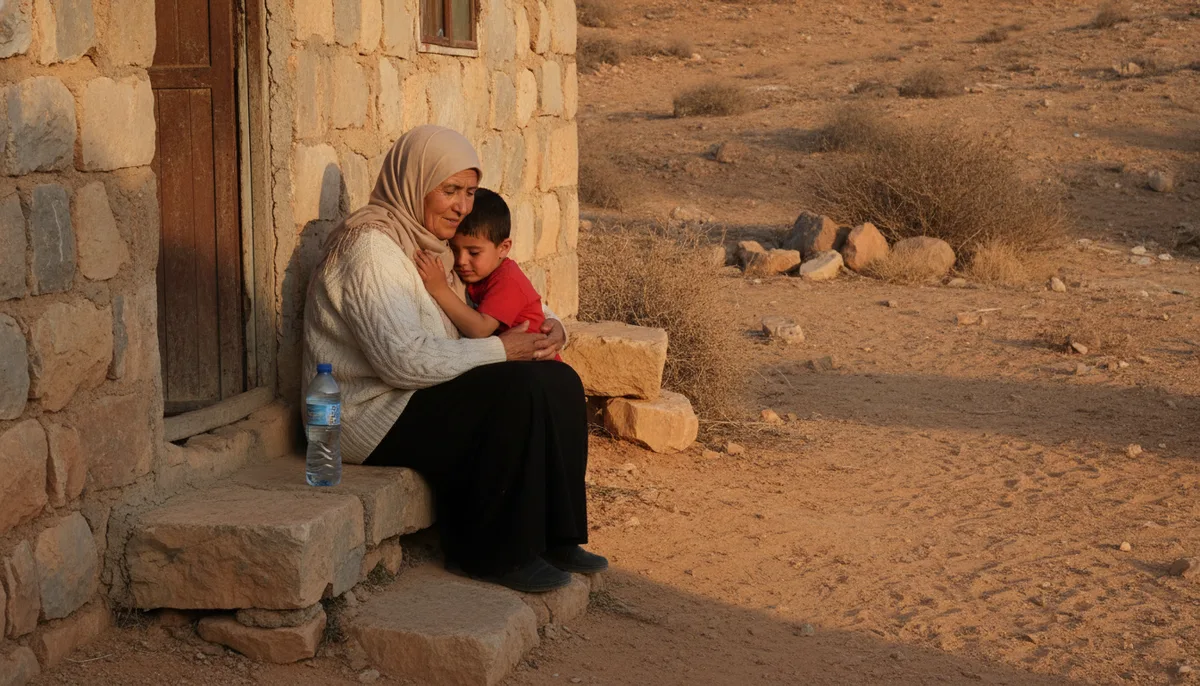
A scorpion sting is usually painful but not dangerous for most healthy adults, as its effect is typically limited to local tingling or burning [3]. The risk rises in children, especially those aged six years and under, and when general symptoms appear, such as difficulty breathing, heavy sweating, or convulsions. Clean the area, apply a cold compress, keep the person still, and call 911 immediately if the person is a child or any general symptom appears.
What Is a Scorpion Sting and What Happens in the Body?
The scorpion is a nocturnal predator that usually spends the day under rocks, in wood piles, in cracks, and beneath floors [3]. Most incidents therefore occur when a hand or foot is placed in a dark area without care, or when shoes or clothing that were left on the floor are put on.
Scorpion venom contains several toxins in addition to histamine [3]. This explains the local pain and burning, and in severe cases it may also explain symptoms in other body systems.
Globally, scorpion stings are among the animal bites most likely to cause death, after snakebites [3]. However, this general picture does not mean that every sting is dangerous. The outcome depends on the scorpion species, the age of the person, and their health status.
Is a Scorpion Sting Always Dangerous?
No. In mild cases, the only symptom may be tingling or slight burning at the sting site [3]. Medical references note that most scorpion stings in North America do not require treatment, because most of its species are non-toxic [3].
This cannot be generalized to every location. Species differ from one region to another, and the person usually cannot identify the type of scorpion. For this reason, any symptom beyond local pain should be treated as a sign that calls for medical assessment.
The Difference Between Mild and Severe Symptoms
| System or Area | In Mild Cases | Signs in Severe Cases [3] |
|---|---|---|
| Sting site and skin | Mild tingling or burning | Hypersensitivity to touch, and sweating |
| Breathing | Normal | Difficulty breathing or rapid breathing, and breathing may stop |
| Mouth and throat | Normal | Drooling, a feeling that the tongue is thick, and laryngeal spasm |
| Heart | Normal | Fast or slow pulse, and irregular heartbeat |
| Nervous system and muscles | Normal | Anxiety and restlessness, muscle spasms, random movements of the head or eyes, seizures, and paralysis |
| Stomach and intestines | Normal | Cramps, nausea, and vomiting |
| Kidneys and bladder | Normal | Little or no urine, or loss of urinary control |
| Eyes | Normal | Double vision |
The appearance of one or more symptoms from the last column is sufficient reason to go to the emergency department. Heart rhythm disturbance, for example, is a separate topic explained in our article on cardiac arrhythmias: when they are dangerous and when intervention is needed.
Why Are Children and Older Adults at Greater Risk?
Medical references note that children aged 6 years and under are the most vulnerable to the harmful effects of toxic scorpion species, and that death is rare among those older than 6 years [3]. The general reason is small body size: the same amount of venom affects a small body more intensely and more quickly.
The World Health Organization makes this same point in the context of snakebites, noting that children often suffer more severe effects than adults because of their smaller body mass [2]. This does not mean the two bites are identical, but it explains why we do not wait with a child.
Older adults and people with heart disease or chronic illnesses may have greater difficulty tolerating the strain of venom on the body, so they should be medically assessed even if the sting appears minor. Pregnant women or those with a known severe allergy should also be seen by a doctor.
First Aid for a Scorpion Sting: Clear Steps
These steps help in the first minutes, but they do not replace medical assessment for children or when general symptoms appear. For more on the general concept, see First Aid.
- Move away from the scorpion: Make sure it cannot sting again, and calm the person, since anxiety increases heart palpitations.
- Clean the area: Wash it thoroughly with soap and water [3].
- Apply a cold compress: Use ice wrapped in a clean cloth on the sting site for 10 minutes, then remove it for 10 minutes, and repeat. If the person has a circulation problem, shorten the time the ice is applied to avoid skin damage [3].
- Keep the area still: Minimize movement of the affected limb as much as possible, as this helps prevent the spread of venom [3].
- Loosen clothing: Remove rings and tight jewelry before the area swells [3].
- Record information: The time of the sting and its location, and the person's age, weight, and condition. Take a photo of the scorpion if it is safe to do so, but do not risk another sting [3].
What About Medications?
References mention an oral antihistamine, such as diphenhydramine, for mild symptoms in those who can swallow [3]. Other references mention painkillers such as paracetamol (acetaminophen) or ibuprofen to relieve pain [4].
Do not start any medication on your own; ask a pharmacist or doctor first. The usual dose is determined by a doctor or pharmacist, and for children it is based on weight and on a doctor's prescription or a pharmacist's guidance. If paracetamol is used, do not exceed the dose set for you, as overuse is dangerous, as we explain on the page on acetaminophen poisoning.
A child who has been stung should not be treated at home while waiting to see what happens; the child should be taken to the emergency department, as explained below.
What Should You Not Do After a Sting?
- Do not cut or incise the sting site: This increases injury, bleeding, and infection, and does not remove the venom.
- Do not suck out the venom by mouth: It is useless and can harm the person doing it.
- Do not tie a tight band (tourniquet) around the limb: It may cut off circulation and cause tissue damage.
- Do not apply folk remedies to the wound: Even for insect stings, health authorities advise against home remedies such as baking soda [4].
- Do not delay going to the emergency department: In its discussion of snakebites, the World Health Organization notes that many victims prefer traditional practices over hospital care [2]. We draw a general lesson from this: time is more valuable than home experiments.
- Do not scratch the area: Scratching increases the risk of infection [4].
When Should You Go to the Emergency Department or Call 911?
Call 911 or go to the nearest emergency department immediately in the following cases:
- Any child who has been stung by a scorpion, especially those aged 6 years and under [3].
- The appearance of any general symptom from the table above, such as difficulty breathing, drooling, convulsions, heart rhythm disturbance, repeated vomiting, or little or no urine [3].
- Rapid worsening of symptoms. If they worsen within the first two to four hours after the sting, the likelihood of a poor outcome is greater [3].
- Older adults, people with heart disease or chronic illnesses, and pregnant women.
Signs of severe allergy, as with insect stings in general, require immediate emergency contact. These signs include sudden swelling of the lips, mouth, throat, or tongue, rapid or difficult breathing, tightness in the throat, bluish or pale skin, confusion or severe dizziness, and fainting. They also include a child appearing limp or not responding as usual [4].
A person who knows they have a severe sting allergy and carries an emergency epinephrine injection should keep it with them, as medical references recommend [1].
Do Not Be Reassured Just Because the Pain Improves
Symptoms may last for days or longer, and rare deaths have occurred weeks later when complications developed [3]. If the person returns home and new symptoms appear, go back to the emergency department.
Signs of Infection at the Sting Site Later On
See a pharmacist or doctor if the skin around the sting becomes hot or red, if pain and swelling increase, or if pus or fluid discharges [4]. The pharmacist may direct you to appropriate treatment or to a medical review.
What Happens in the Emergency Department After a Scorpion Sting?
The medical team measures vital signs, including temperature, pulse, respiratory rate, and blood pressure, and then treats the wound and symptoms [3]. Depending on the patient's condition, the following may be performed [3]:
- Blood and urine tests.
- Electrocardiogram (ECG) and chest X-ray.
- Intravenous fluids.
- Oxygen, and in severe cases, breathing support with a breathing tube and mechanical ventilator.
- Medications to treat symptoms.
- An antidote to counteract the venom's effects when needed.
Decisions about the type of treatment and its availability rest with the hospital's medical team, and no article can determine them in advance. If it can be done safely, you may bring the scorpion in a tightly sealed container [3], but do not delay leaving in order to look for it.
How Do You Find the Right Doctor or Clinic in Jordan?
In an emergency, do not search the directory. Call 911 or go to the nearest emergency department. For follow-up once the danger has passed, you can use the ClinicsJo directory to find a suitable doctor.
- Specialty: Emergency medicine; pediatrics for follow-up of an affected child; general practice or internal medicine for adults; and dermatology if the sting site becomes infected.
- Governorate: Choose a clinic close to your home to make repeated visits easier.
- What to check in the doctor's or clinic's profile: The listed specialty, the clinic address and working hours, and contact or booking methods if available in the profile.
Useful questions to ask the doctor at the appointment:
- What signs should I watch for in the coming days, and when should I return to you?
- Are painkillers or antihistamines suitable for my condition or my child's condition, and at what dose?
- Does the child or the chronically ill patient need follow-up tests?
ClinicsJo does not provide consultations or prescriptions through the website. Instead, it helps you reach doctors and clinics, read their profiles, and contact them. In villages and remote areas, the nearest Ministry of Health health center may be a first point of assessment, but severe cases or those involving a child require the emergency department directly. To learn how to handle other household poisoning incidents, see our article on Household Poisoning and First Aid.
How Can You Prevent Scorpion Stings at Home and While Camping?
Prevention is easier than treatment, and most of it depends on simple habits. References advise not placing hands or feet in scorpion hiding places [3], avoiding disturbing insects in general, wearing protective clothing, and being careful when eating outdoors, since food attracts insects [1].
At Home
- Shake out shoes, clothing, and towels before using them, especially if they have been left on the floor.
- Seal cracks in walls and around doors and windows, and reduce piles of stones, wood, and scrap near the house.
- Use a flashlight when walking at night in yards and gardens, and do not walk barefoot.
- Keep the child's bed away from walls, and do not leave toys and clothing on the ground outdoors.
- If you use pesticides, store them out of reach of children and follow the household poisoning instructions mentioned above.
While Camping and on Trips
- Choose a tent site away from rocks and piled wood, and always keep the tent zipper closed.
- Do not turn over stones or tree trunks with your bare hand; use a glove or a stick.
- Wear closed shoes and long trousers when walking in rocky areas, and shake out your shoes before putting them on in the morning.
- Heating a tent with charcoal or enclosed heaters is a different kind of danger, so read about carbon monoxide poisoning.
ClinicsJo offers information on other bites you may encounter on trips, including spider bites, the difference between an insect bite and a sting, what to do when a tick bite is discovered, and how to relieve mosquito bite itch. For another common home injury, read about First and Second Degree Burns: Home First Aid.
Summary: When to Stay Calm and When to Act
Most stings in healthy adults involve local pain that eases with cleaning, a cold compress, and rest [3]. For insect stings in general, the site usually improves within days [4].
Children, any general symptom, and worsening during the first hours are all signs that mean calling 911 without waiting. Prepare your home with prevention, and remember the first aid steps, since they may help a neighbor or relative at any time.
Frequently asked questions
Is a scorpion sting always dangerous?
No. In mild cases, the only symptom may be tingling or slight burning at the sting site. This cannot be generalized to every location, as species differ from one region to another, and the person usually cannot identify the type of scorpion. For this reason, any symptom beyond local pain should be treated as a sign that calls for medical assessment.
Why are children at greater risk after a scorpion sting?
The general reason is small body size: the same amount of venom affects a small body more intensely and more quickly. Medical references note that children aged 6 years and under are the most vulnerable to the harmful effects of toxic scorpion species. For this reason, we do not wait with a child, and a child who has been stung should be taken to the emergency department.
What should I do immediately after a scorpion sting?
Clean the area with soap and water, and apply a cold compress to the sting site for 10 minutes, then remove it for 10 minutes, and repeat. Keep the area as still as possible, loosen clothing, and remove rings and tight jewelry before the area swells. Move away from the scorpion and calm the person.
When should I go to the emergency department after a scorpion sting?
Call 911 or go to the nearest emergency department immediately if any child is stung, especially those aged 6 years and under, and when any general symptom appears, such as difficulty breathing, drooling, convulsions, repeated vomiting, or little or no urine. Prompt review is also needed if symptoms worsen rapidly, or if the person is an older adult, has heart disease, or is pregnant.
Is medication given for a scorpion sting?
References mention an oral antihistamine, such as diphenhydramine, for mild symptoms in those who can swallow, and other references mention painkillers such as paracetamol (acetaminophen) or ibuprofen to relieve pain. Do not start any medication on your own; ask a pharmacist or doctor first. The dose is determined by a doctor or pharmacist, and for children it is based on weight.
What should be avoided after a scorpion sting?
Do not cut or incise the sting site, do not suck out the venom by mouth, and do not tie a tight band around the limb. Do not apply folk remedies to the wound, do not scratch the area, and do not delay going to the emergency department. These practices may increase injury, bleeding, and infection, and do not remove the venom.
Sources and references
- Insect Bites and Stings | Bug Bites — MedlinePlus — U.S. National Library of Medicine. Accessed: 2026-10-26.
- Snakebite envenoming — World Health Organization. Accessed: 2026-10-26.
- Scorpions: MedlinePlus Medical Encyclopedia — MedlinePlus — U.S. National Library of Medicine. Accessed: 2026-10-26.
- Insect bites and stings — NHS (UK National Health Service). Accessed: 2026-10-26.