
Type 1 diabetes is a chronic disease that usually begins in childhood or young adulthood and differs fundamentally from the more common type 2. As cases rise in Jordan, understanding it is essential for every family, especially as it can appear suddenly with acute symptoms. The ClinicsJo Editorial Team explains its causes, symptoms, modern treatment, and how to live with it safely.
What Is Type 1 Diabetes?
It is an autoimmune disease in which the immune system attacks and destroys the insulin-producing beta cells of the pancreas. Without insulin, glucose cannot enter cells to produce energy, so it accumulates in the blood at dangerous levels. People with type 1 need insulin for life — unlike type 2, which is linked to insulin resistance and lifestyle.
Causes
- Genetic predisposition: certain genes raise susceptibility.
- An immune trigger: a viral infection is thought to prompt the immune attack.
- Environmental factors still under research.
Importantly, type 1 is not caused by eating too much sugar or by obesity — a common misconception that unfairly blames patients.
Symptoms
- Intense thirst and drinking a lot of water.
- Frequent urination, including bedwetting in children.
- Rapid weight loss despite hunger and eating more.
- Severe fatigue.
- Blurred vision.
- Acetone-smelling breath in advanced cases.
If ignored, the disease can progress to diabetic ketoacidosis, an emergency requiring immediate hospital treatment.
How Is It Diagnosed?
- Random and fasting blood sugar: clear elevation confirms it.
- HbA1c: reflects average sugar over 3 months.
- Autoantibodies: distinguish type 1 from type 2.
- Ketone testing in blood or urine.
Treatment
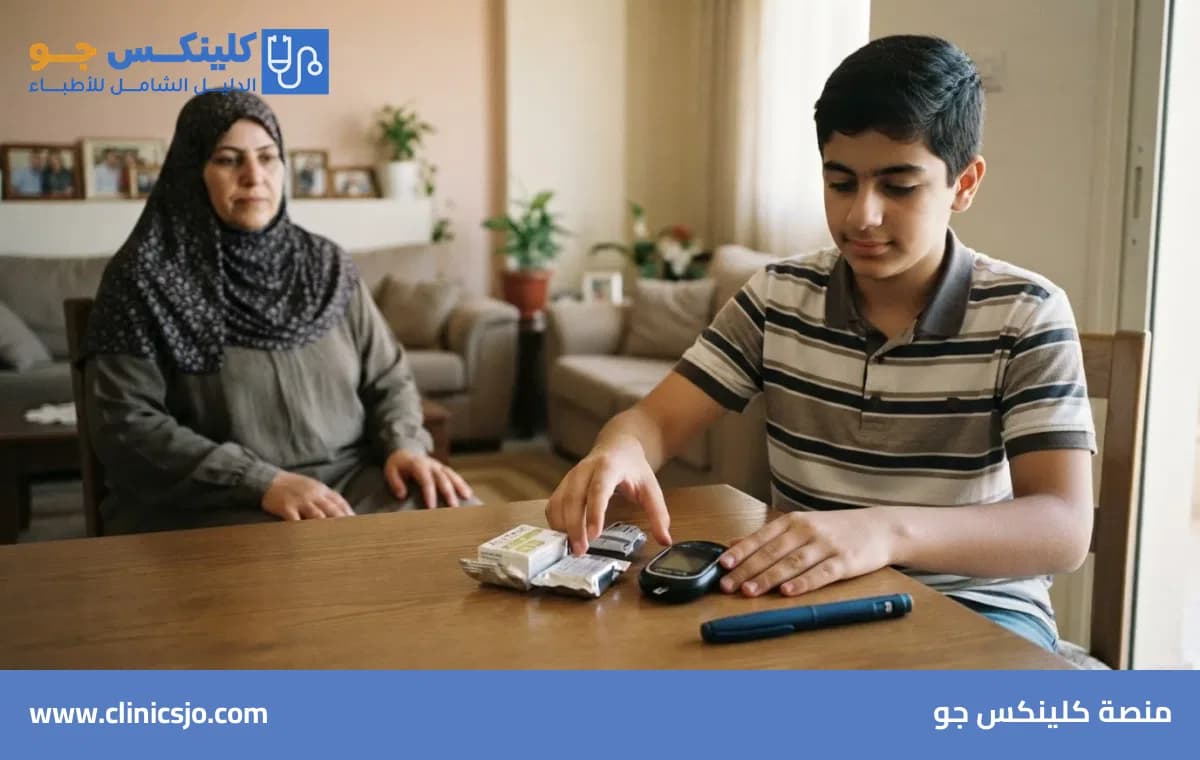
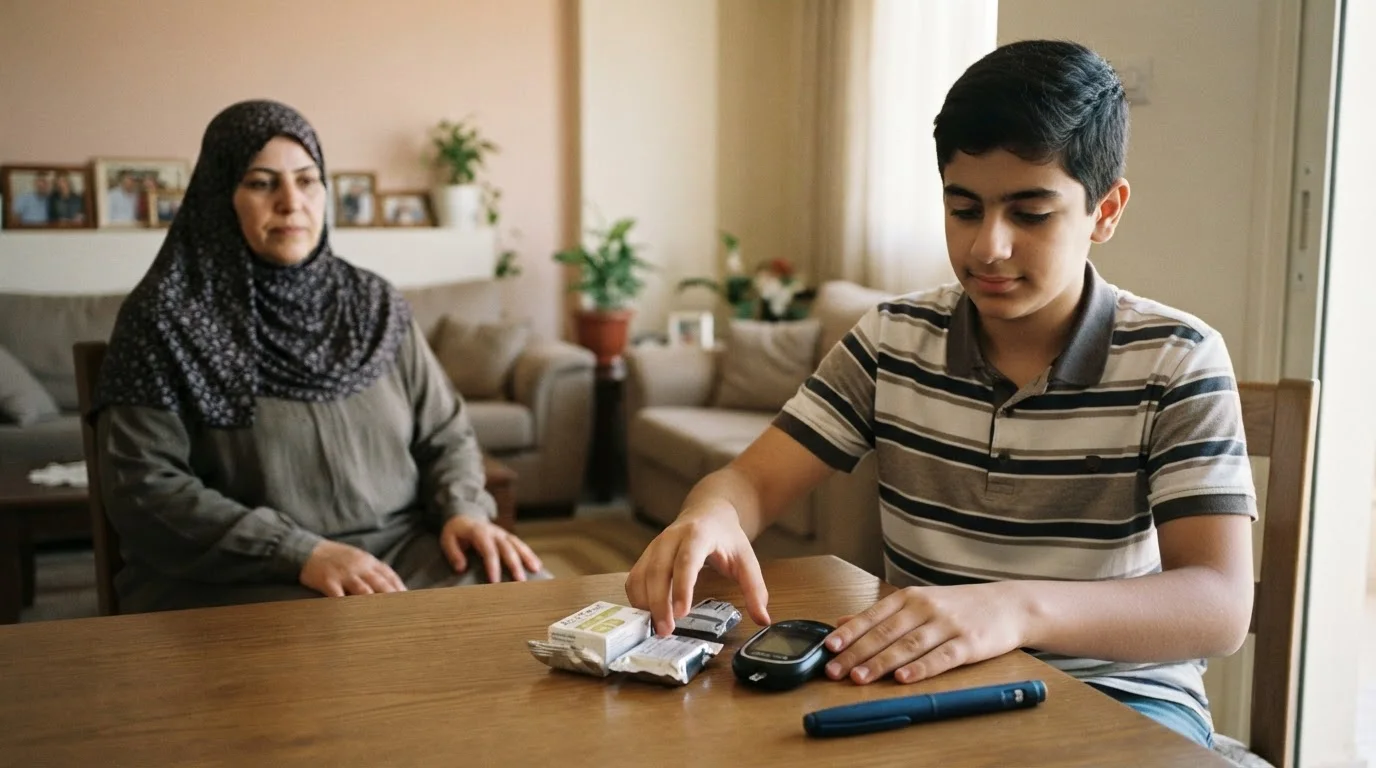
- Insulin injections: rapid- and long-acting, via pens or multiple daily injections.
- Insulin pump: a small device delivering continuous insulin for tighter control.
- Continuous glucose monitors (CGM): read sugar in real time and alert to highs and lows.
- Carbohydrate counting to match insulin doses to meals.
The goal is to keep blood sugar as close to normal as possible to avoid long-term complications affecting the eyes, kidneys, nerves, and heart.
Living With the Disease
- Stick to insulin timing and regular sugar checks.
- Eat a balanced diet and exercise, adjusting doses to activity.
- Keep up regular eye, kidney, and foot checks.
- Always carry ID and a fast sugar source in case of a low.
Medical tip: low blood sugar (hypoglycemia) is a real danger. Always carry a fast sugar source (juice or glucose tablets), and teach your family the signs of a low and how to act.
When to See a Doctor
Seek emergency care immediately for ketoacidosis symptoms (vomiting, abdominal pain, rapid breathing, drowsiness). See your endocrinologist regularly to adjust doses, track HbA1c, and screen for complications.
Frequently Asked Questions
Can type 1 diabetes be cured?
There is no definitive cure yet, but good insulin control allows a fully normal, healthy life, and cell-transplant research is promising.
What is the difference from type 2?
Type 1 is an absolute insulin deficiency from an immune cause and always needs insulin; type 2 is insulin resistance linked to weight and lifestyle.
Can a child with type 1 play sports?
Yes, and it is encouraged, with insulin and meal adjustments to avoid lows during activity.
For close monitoring of your or your child's condition, book an appointment with an endocrinologist on ClinicsJo.
