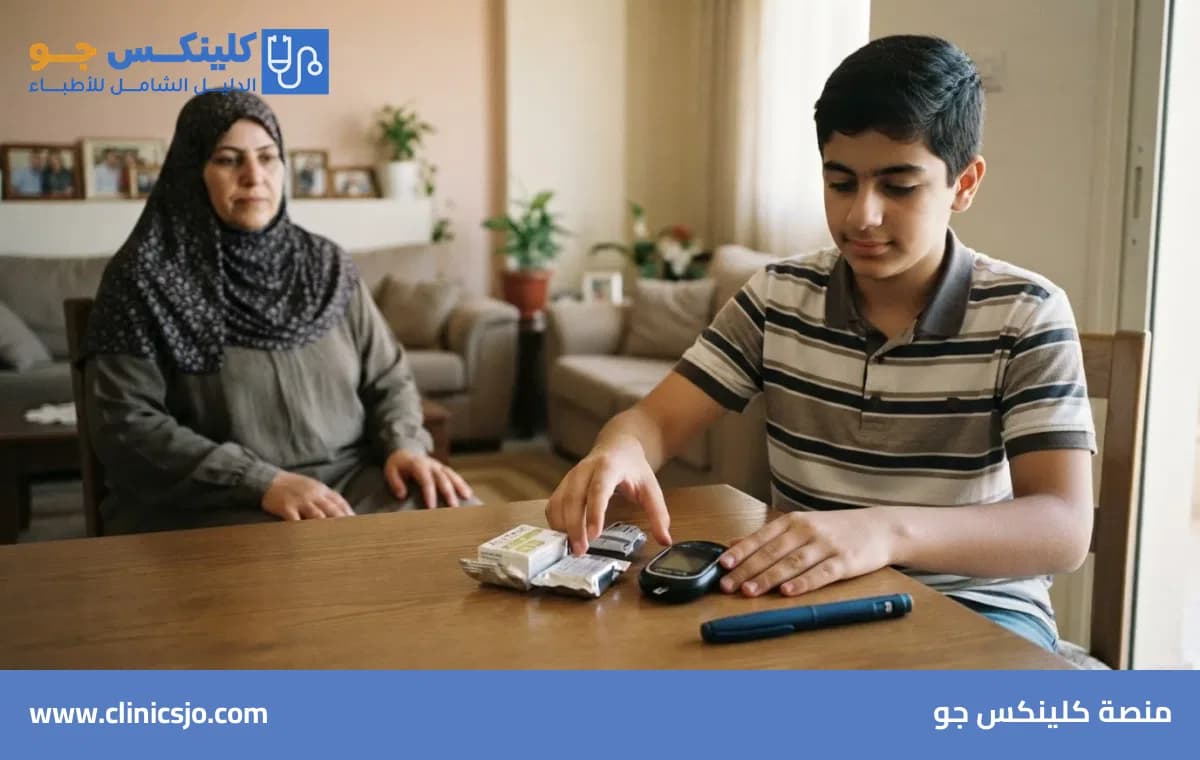

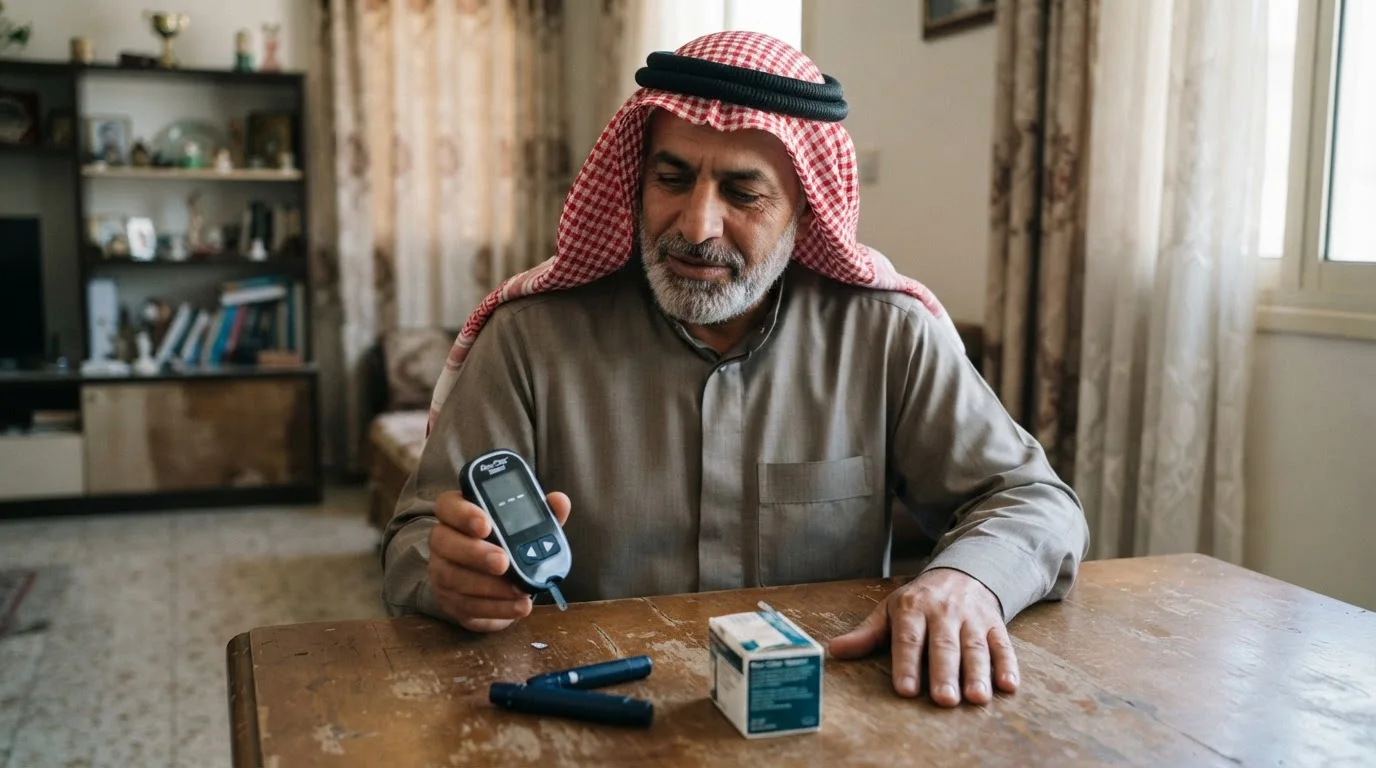
Type 2 diabetes is a silent epidemic in Jordan, affecting 14% of adults (over 700,000 people), with studies suggesting a quarter of patients don't know they have it. Early diagnosis and good treatment protect from serious complications. The ClinicsJo Editorial Team reviews the complete guide.
What Is Type 2 Diabetes?
Type 2 diabetes (T2DM) is a metabolic disorder characterized by insulin resistance (cells don't respond well to insulin) and a relative insulin deficiency from the pancreas. The result: chronic high blood sugar.
Type 1 vs Type 2
| Type 1 | Type 2 | |
|---|---|---|
| Cause | Autoimmune (beta cell destruction) | Insulin resistance |
| Age | Usually <30 | Usually >40 |
| Weight | Normal/thin | Usually overweight |
| Treatment | Lifelong insulin | Oral meds ± insulin |
| Symptoms | Rapid onset | Gradual |
Risk Factors
- Obesity, especially abdominal.
- Physical inactivity.
- Family history.
- Age >45.
- Prior gestational diabetes.
- PCOS.
- High BP and cholesterol.
- Diet rich in sugars and refined carbs.
- Sleep disorders.
- Chronic stress.
- Smoking.
Symptoms
May be very mild, delaying diagnosis:
- Excessive thirst.
- Frequent urination.
- Chronic fatigue.
- Increased hunger despite eating.
- Unexplained weight loss.
- Blurred vision.
- Delayed wound healing.
- Numbness or tingling in extremities.
- Recurrent infections (vaginal, urinary, skin).
- Dark patches on neck and armpit (acanthosis nigricans).
Diagnosis
| Test | Normal | Pre-diabetes | Diabetes |
|---|---|---|---|
| Fasting glucose | <100 | 100–125 | ≥126 (twice) |
| HbA1c | <5.7% | 5.7–6.4% | ≥6.5% |
| OGTT (2hr) | <140 | 140–199 | ≥200 |
| Random + symptoms | - | - | ≥200 |
Treatment Targets
- HbA1c <7% (or lower based on case).
- Fasting glucose <130 mg/dL.
- Post-meal glucose <180 mg/dL.
- BP <130/80.
- LDL <70 mg/dL.
- No smoking.
Oral Medications
1. Metformin (First-Line)
- 500–2000 mg daily.
- Reduces hepatic glucose output + improves insulin sensitivity.
- Doesn't cause hypoglycemia.
- May aid weight loss.
- Side effects: temporary GI upset.
2. SGLT2 Inhibitors
- Empagliflozin (Jardiance).
- Dapagliflozin (Forxiga).
- Excrete glucose in urine.
- Protect heart and kidneys.
- Aid weight loss.
3. DPP-4 Inhibitors
- Sitagliptin (Januvia).
- Linagliptin (Trajenta).
- Weight-neutral.
4. Sulfonylureas
- Glimepiride, gliclazide.
- Stimulate pancreas.
- May cause hypoglycemia and weight gain.
Modern Injectable Medications
GLP-1 Agonists (Modern Revolution)
- Semaglutide (Ozempic, Rybelsus): weekly injection or oral pill.
- Liraglutide (Victoza, Saxenda): daily injection.
- Dulaglutide (Trulicity): weekly injection.
- Tirzepatide (Mounjaro): newest, strongest effect.
Benefits:
- Lower HbA1c powerfully.
- Significant weight loss (10–20%).
- Heart and kidney protection.
- Reduce appetite.
Insulin
When needed:
- Long-acting: glargine (Lantus), detemir.
- Short-acting: aspart (NovoRapid), lispro.
- Mixed.
Lifestyle Management
Diet
- Complex carbs (oats, quinoa, lentils) instead of simple.
- Protein at every meal.
- Plenty of non-starchy vegetables.
- Healthy fats (olive oil, avocado, nuts).
- Reduce sugars and soda.
- Avoid juices (even natural).
- 3 regular meals.
- Carb counting.
- Mediterranean or DASH diet.
Exercise
- 150 minutes weekly of aerobic activity.
- + strength training twice weekly.
- Don't sit continuously for more than 30 minutes.
- Post-meal walks reduce sugar.
Self-Monitoring
- Fasting and post-meal sugar (if on insulin).
- HbA1c every 3–6 months.
- Periodic BP, weight, cholesterol.
Complications (If Untreated)
Microvascular
- Retinopathy (major cause of blindness).
- Nephropathy (leads to dialysis).
- Neuropathy (pain, numbness, sensory loss).
Macrovascular
- Heart disease (2–4x risk).
- Strokes.
- Peripheral artery disease.
Other
- Diabetic foot (ulcers, amputation).
- Recurrent infections.
- Erectile dysfunction.
- Fatty liver.
- Alzheimer's (type 3 diabetes).
Essential Routine Tests
- HbA1c every 3–6 months.
- Annual eye exam.
- Kidney function and urinary protein annually.
- Annual foot exam.
- Dental every 6 months.
- Annual lipid panel.
- Periodic ECG and cardiac check.
Medical tip: Type 2 diabetes is reversible in early stages with 10–15% weight loss. Don't accept "lifelong treatment" without a serious attempt at lifestyle change.
For assessment and a personalized treatment plan, book an appointment with an endocrinologist or internist on ClinicsJo.