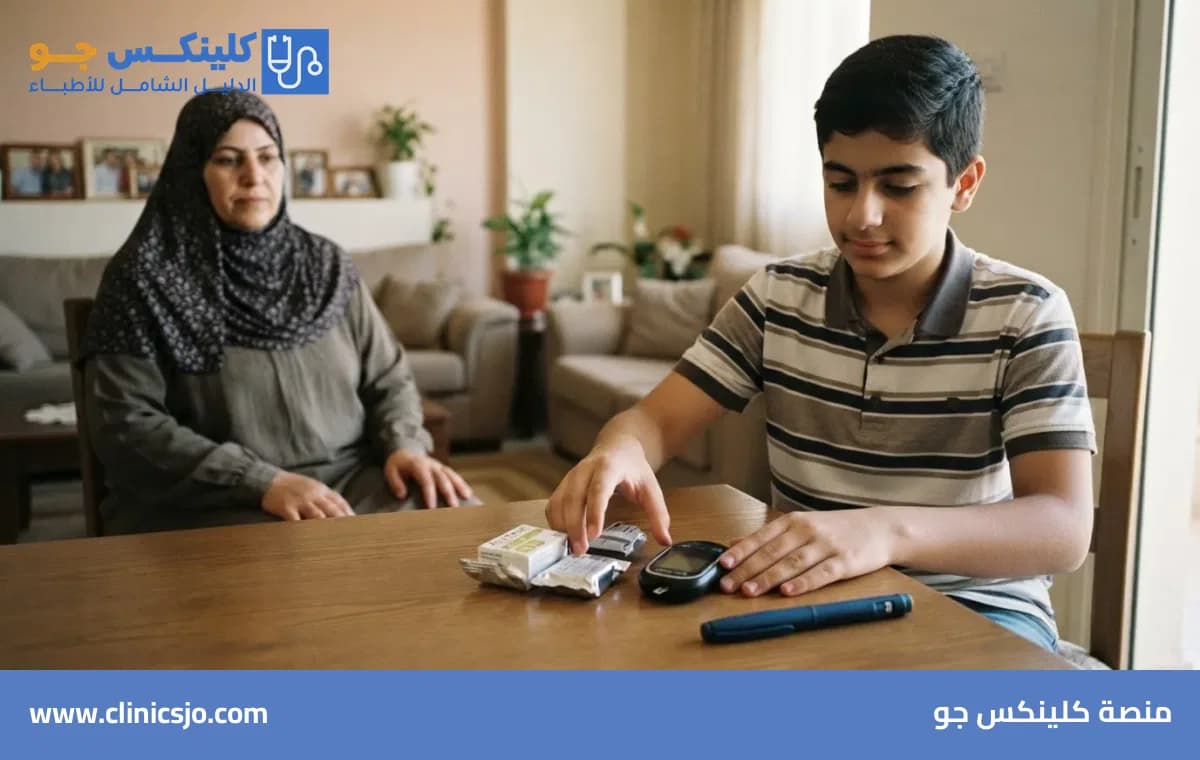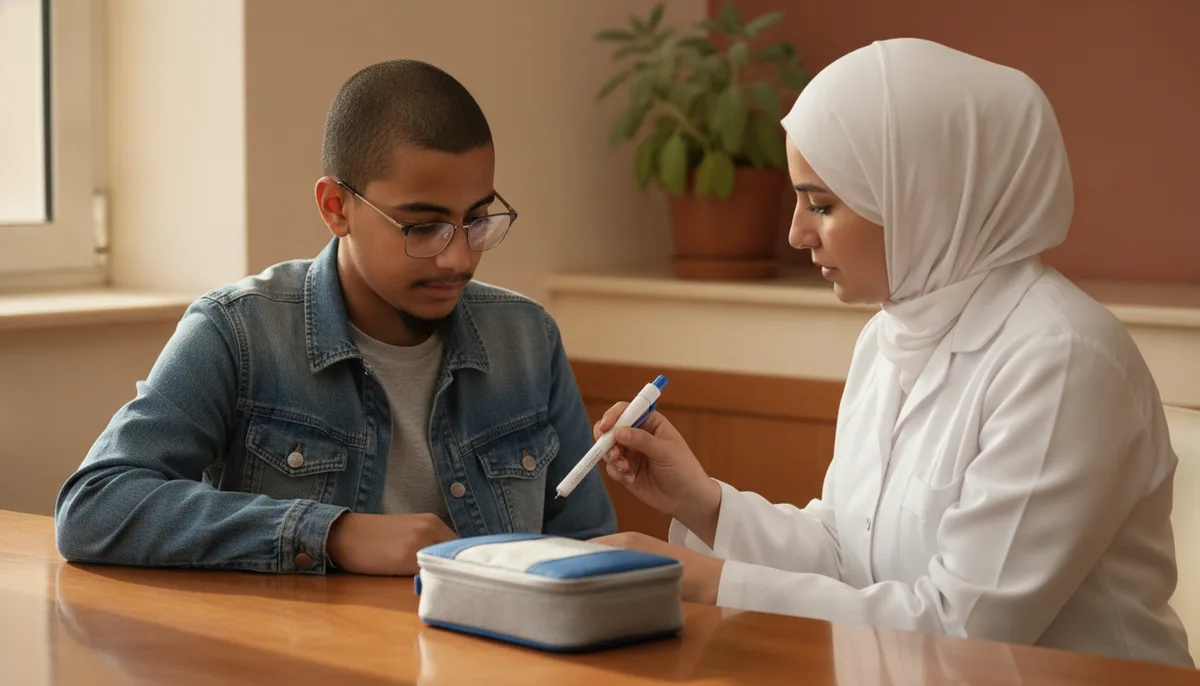
Insulin types differ in how quickly they start working and how long they last. Basal insulin provides steady background coverage throughout the day, while rapid-acting insulin covers meals. Your doctor determines the type and dose, and it is injected under the skin with rotation of injection sites. Unopened insulin is stored in the refrigerator, and the pen in use is kept at room temperature according to the leaflet and away from summer heat. If you have symptoms of low blood sugar, treat them immediately with fast-acting sugar [2].
What Are the Types of Insulin and Why Do They Differ?
Insulin is a hormone that helps glucose enter the body's cells to be used as energy. In type 1 diabetes, the body does not produce insulin. In type 2 diabetes, the body either does not produce enough insulin or does not use it well [1]. For this reason, everyone with type 1 diabetes needs insulin, and some people with type 2 diabetes may need it over time [1].
Insulin types differ in how quickly they start working and how long their effect lasts. You may need more than one type at the same time [1]. Your doctor chooses the type based on your blood sugar measurements, your daily routine, and your health condition [1].
In practical terms, they can be divided into two main groups that most patients hear about:
- Basal insulin (Basal): provides a steady background level between meals and overnight.
- Rapid-acting insulin (Rapid-acting): covers the rise in blood sugar that follows meals.
Other types exist, such as intermediate-acting and premixed insulins, and only your doctor can decide whether they are suitable for you. If you want a broader understanding of other medications, read our article on diabetes medications and how to use them, or look up insulin in our glossary.
Basal and Rapid Insulin: What Is the Difference?
In type 1 diabetes, basal insulin is used together with rapid-acting insulin for meals. This is known as the "basal-bolus" regimen. Examples of medications available in Jordan, according to the ClinicsJo drug guide:
| Type | Example (active ingredient) | Role | Key point to remember |
|---|---|---|---|
| Basal | Lantus (insulin glargine) | Steady background coverage throughout the day | Taken at the same time every day, with a variation of no more than about two hours |
| Rapid-acting | NovoRapid (insulin aspart) | Meal coverage | The injection must be followed by an actual meal |
| Rapid-acting | Humalog (insulin lispro) | Meal coverage | Functionally equivalent to aspart in practice; the U200 concentration is only available in its own dedicated pen |
The usual dose set by your doctor or pharmacist varies from person to person, and you should never copy the dose of a friend or relative. If your pharmacist or doctor switches you between two rapid-acting brands for supply or insurance reasons, ask about the units and monitor your blood sugar during the first few days.
Rapid-acting insulin is also suitable for insulin pumps, children, and pregnant women, as determined by the doctor. To learn more, see our insulin pump service.
Does Injecting with a Pen Differ from Using a Syringe or Pump?
The most common ways to take insulin are with a needle and syringe, a pen, or a pump [1]. With a syringe or pen, you need several injections throughout the day, including mealtime injections, while a pump delivers small, steady doses all day [1]. There are also less common methods, such as inhalers, injection ports, and jet injectors [1].
- Pen: easiest to carry and use, and it sets the dose by clicking or turning.
- Syringe: may be prescribed by the doctor in certain cases.
- Pump: requires training and follow-up from a specialized team.
Important warning: U200 concentration is used only with its own pen and must never be drawn up into a syringe, because it is a double-strength concentration and can cause a serious dosing error.
How Do I Inject Insulin Correctly and Rotate Sites?
Ask the nurse, doctor, or pharmacist to train you hands-on the first time, and read the leaflet for the pen you use, since pen details vary. The general steps are:
- Wash your hands and confirm the insulin name on the pen and that it is the intended type.
- Check the appearance of the insulin and the expiry date, and do not use it if it looks different from usual.
- Attach a new needle and perform the safety test (priming) as the leaflet explains.
- Set the dose your doctor prescribed, and look closely at the indicator.
- Inject under the skin, and wait the time stated in the leaflet before withdrawing the needle.
- Remove the needle after use and place it in a safe container. Do not leave the needle attached to the pen.
Insulin is given under the skin only. It must not be mixed in the same syringe with another insulin unless your doctor instructs you to do so.
Rotating Injection Sites
The usual injection sites are the abdomen, thigh, and arm. Rotate the site within the same area. Repeated injections in the same spot can cause lumps or thickening of the skin that disrupt insulin absorption. A sign of this is noticing unstable blood sugar for no clear reason.
- Change the injection spot every time, moving a reasonable distance from the previous injection.
- Check your sites regularly by touch and sight, and tell your doctor if you notice a lump.
- Do not inject into an area that is lumpy, painful, or injured.
If your insulin is rapid-acting, make sure the meal will actually follow the injection. Injecting the dose and then delaying your meal by half an hour is a recipe for rapid hypoglycemia. If you count carbohydrates, ask your doctor about the number of units per amount of carbohydrate.
How Do I Store Insulin in Summer Heat in Jordan?
High heat is one of the most damaging factors for insulin, and it can lose its effectiveness without any change in its appearance. For this reason, storing insulin in summer deserves special attention.
The General Rule: Unopened and In-Use
- Unopened backup supply: in the refrigerator, never in the freezer, and away from the back wall of the refrigerator where it may freeze.
- Pen in use: kept at room temperature for up to 4 weeks for Lantus and NovoRapid, and about one month for Humalog. Check the duration for your product in the leaflet.
- Write the date you opened the pen on its body, and discard it when the period ends, even if insulin remains in it.
Tips for Hot Days and Travel
- Do not leave insulin in the car, even for a few minutes, or near a sunny window.
- Do not carry it in your pocket or under direct sunlight during long outings.
- Use a cooling bag designed for insulin when traveling or on trips, and do not let the pen touch ice packs directly, so it does not freeze.
- If the electricity goes out for a long period in summer, call your pharmacist or doctor to ask how to handle your supply.
- Do not use frozen insulin or expose it to extreme heat; ask your pharmacist about an alternative.
Insulin is a regulated medicine in Jordan, and the Jordan Food and Drug Administration (JFDA) oversees medicines and their public prices. Buy it from a licensed pharmacy, and make sure it was stored properly before it reached you.
What Is Low Blood Sugar and What Should I Do When It Happens?
Low blood sugar (Hypoglycemia) is common among people who use insulin, and it is a well-known side effect [2]. For many people with diabetes, it means a level below 70 mg/dL, but your number may differ, so ask your care team about the appropriate threshold for you [2].
Causes of hypoglycemia include:
- Not eating enough carbohydrates [2].
- More physical activity than usual [2].
- Alcohol without adequate food [2].
- Illness with inability to eat or keep food down [2].
Symptoms come on quickly and vary between people, and include shaking, sweating, anxiety, irritability, confusion, dizziness, and hunger [2]. Some medications, such as beta-blockers, may mask early symptoms, so ask your doctor if you take them.
Quick Treatment
For mild or moderate hypoglycemia, eating or drinking something containing carbohydrates helps [2]. The standard rule is 15 grams of fast-acting sugar, then wait 15 minutes and recheck. Always carry a fast source with you, such as glucose tablets or a box of juice [2].
Severe hypoglycemia can cause loss of consciousness, coma, or even death [2]. It can be treated with glucagon, either as a nasal spray or an injection, and your doctor can prescribe more than one kit for people with diabetes [2]. Teach your family and colleagues how to act if you lose consciousness, and call 911 immediately.
If hypoglycemia recurs, especially at night, do not adjust your dose on your own. Instead, consult your doctor so they can adjust the plan, dose, or diet [2].
How Do I Manage Insulin on Sick Days?
Illness with vomiting or poor eating can make blood sugar fluctuate, and it may rise or fall [2]. The most important rule: do not stop or change your insulin on your own. Speak with your doctor first [1].
- Contact your doctor or diabetes team the same day, and ask about doses during illness.
- Check your blood sugar more often than usual, and record the readings to show your doctor.
- Drink fluids regularly, and try to eat carbohydrates as your team recommends.
- Ask in advance about ketone testing and when it is needed.
Pump users should keep their emergency protocol at hand, since a blocked pump can quickly raise ketones because rapid-acting insulin does not leave a long-lasting reserve in the body. Some people with type 2 diabetes need insulin temporarily during special circumstances, such as pregnancy or hospital admission [1].
How Do I Dispose of Used Needles and Syringes?
Used needles can injure family members and cleaning staff, so do not throw them loose into the trash.
- After each injection, place the needle in a rigid, puncture-resistant container with a tight lid, such as a thick plastic bottle.
- Do not recap the needle by hand, and do not reuse a needle unless your doctor advises it.
- Keep the container out of reach of children.
- Ask your pharmacy or the health center you visit about the appropriate way to hand in the full container.
When Should I See a Doctor, and When Should I Go to the Emergency Room?
See your doctor soon if:
- Hypoglycemia episodes recur, or your morning blood sugar keeps rising.
- Lumps or skin changes appear at injection sites.
- Your weight increases, your routine changes, or you start a new medication such as cortisone, which may raise your insulin needs.
- You do not understand your plan, or you have become confused about the two types or the doses [1].
Go to the nearest emergency room or call 911 if:
- The person loses consciousness, is unable to swallow, or has a seizure.
- Low blood sugar continues despite treatment with fast-acting sugar.
- Persistent vomiting occurs with severe thirst, rapid breathing, or unusual drowsiness, especially with high blood sugar.
How Do I Find a Suitable Endocrinology and Diabetes Doctor in Jordan?
Start from the page for endocrinology and diabetes doctors in Jordan, then narrow your search by governorate: Amman, Irbid, or Zarqa, or other governorates. Health centers and maternal and child health centers run by the Ministry of Health are available across governorates for primary follow-up.
When reading a doctor's profile, check:
- The listed specialty and qualifications, and whether they follow children, adults, or pregnant women.
- The clinic location, working hours, and how to book or get in touch.
- The available services, such as diabetes consultation or pump follow-up.
Useful questions for your appointment:
- Which type of insulin is suitable for me, and at what times?
- What is the appropriate target for my diabetes, and what level do I consider hypoglycemia?
- How should I manage during illness, and do I need a glucagon kit?
- How do I store my insulin in summer and while traveling?
To understand your condition in more detail, read about type 1 diabetes or type 2 diabetes. Remember that the content here is educational and does not replace your doctor's assessment, and that ClinicsJo is a directory for searching and contacting doctors and does not provide consultations or prescriptions.
Frequently asked questions
What is the difference between basal and rapid-acting insulin?
Basal insulin provides steady background coverage throughout the day and is taken at the same time every day, while rapid-acting insulin is injected with meals to cover the rise in blood sugar after eating. Many patients, especially those with type 1 diabetes, need both types together, and the doctor determines the type and dose based on blood sugar measurements and daily routine.
Where do I inject insulin, and why should I rotate sites?
The abdomen, thigh, and arm are commonly used, and you should change the injection spot within the same area each time. Repeated injections in the same spot can cause lumps or thickening of the skin that interfere with insulin absorption and make blood sugar unstable. Ask a nurse or doctor to show you the technique hands-on.
How do I store my insulin pen in summer?
Unopened backup supply is kept in the refrigerator, never in the freezer, while the pen in use stays at room temperature for the period stated in the leaflet, usually up to 4 weeks. Do not leave it in the car or under the sun, and use a cooling bag when traveling without letting it touch ice directly.
What should I do if my blood sugar drops while I am using insulin?
If you are conscious and able to swallow, take or drink a fast-acting sugar such as juice or glucose tablets, then recheck your blood sugar after 15 minutes and repeat if needed. If the person loses consciousness, call 911 immediately and do not give them anything by mouth. Inform your doctor if hypoglycemia recurs.
Should I stop insulin if I am sick and cannot eat?
Do not stop insulin or change your dose on your own. Illness with poor eating can cause blood sugar to drop or rise, so contact your doctor the same day, check your blood sugar more often than usual, and ask about doses and ketone testing. If persistent vomiting or unusual drowsiness occurs, go to the emergency room.
How do I dispose of used insulin needles?
Place the needle immediately after use in a rigid, puncture-resistant container with a tight lid, such as a thick plastic bottle. Do not recap the needle by hand or throw it loose in the trash. Keep the container away from children, and ask your pharmacy or health center about the most suitable way to hand it in when it is full.
Sources and references
- Diabetes Medicine | Insulin — MedlinePlus — U.S. National Library of Medicine. Accessed: 2026-10-26.
- Hypoglycemia: MedlinePlus — MedlinePlus — U.S. National Library of Medicine. Accessed: 2026-10-26.