Amad Medical Center
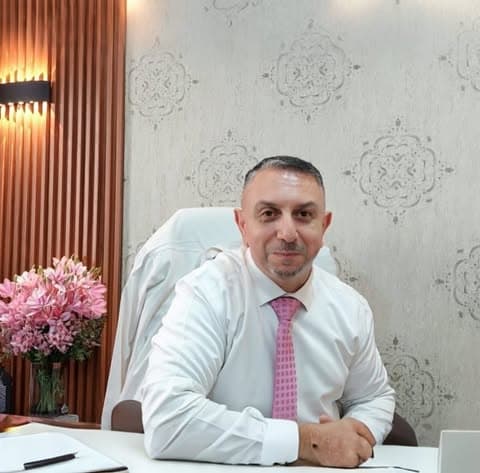
A brain, neurosurgical and endoscopic spine surgery specialist at Amad Medical Center in Karak, as identified by the centre. Arrange assessment of neurological …
Trusted medical platform in Jordan
Neurology covers conditions involving the brain, spinal cord and nerves, so referrals can concern very different symptoms. Prepare a short, factual account of the onset, progression and effect on your life, together with available records and the questions you want answered.
Note when the problem began, whether it is continuous or episodic and how it has changed. Mark approximate dates as approximate. Explain the sequence of events rather than presenting disconnected symptoms. Distinguish what you felt from what someone else observed, without turning those observations into a confirmed diagnosis.
Use examples from walking, writing, concentration, speech or sleep that fit your concern. Explain what became harder and what remains possible. Mention work demands and relevant previous incidents. You do not need to reproduce an episode to prepare; existing observations are enough to begin the conversation.
Bring existing imaging, nerve test reports or discharge summaries with the reason they were obtained. Ask how the office accepts original images or secure links. Include medication and supplement details. Do not arrange new investigations merely to make the folder look complete; relevance follows the clinical assessment.
For episodic symptoms or difficulty recalling events, a witness may add useful observations with your consent. Agree on their role before attending. Ask how the clinic accepts sensitive material and avoid sending recordings through an unconfirmed channel. Your preferences should guide what is shared and who speaks.
State the referral reason, age group and whether you need a neurological opinion or an already requested service. Confirm the specialist and address. Neurology and neurosurgery are different consultation routes. Any separately requested test needs its own confirmation of availability, scheduling and instructions rather than assumptions based on the listing.
Ask what has been clarified, what remains uncertain and how the proposed next step changes decisions. Record follow-up and responsibility for results and referral communication. Raise any questions about work or driving. Sudden new facial or arm weakness or speech difficulty requires emergency help rather than a routine neurology appointment.
These public profiles match the registered specialty. Featured doctors and clinics appear first. Confirm services, availability and current fees with the provider.
A brain, neurosurgical and endoscopic spine surgery specialist at Amad Medical Center in Karak, as identified by the centre. Arrange assessment of neurological …
Adnan Al-Masri practises neurology in Irbid at Elite NeuroClinic. The practice reception coordinates appointment times and the requested consultation; confirm t…
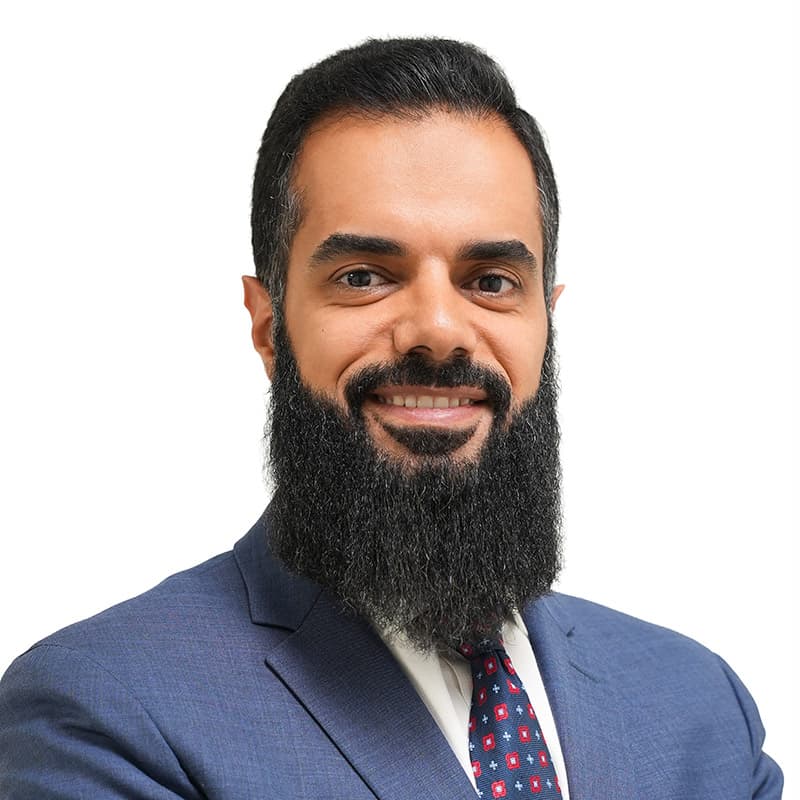
Dr Qatada Al Saoub is a physician practising neurology at I Clinic Medical Center Karak in Karak Governorate. Reception is at Al Thaniya, college junction, Labo…
Qais Imad Al-Saadi sees patients for neurology consultations at Irbid Specialty Neurology Center. Contact the practice to describe the reason for your visit and…
Mohammad Abdullatif Khreim provides neurology consultations at Elite NeuroClinic. The practice address is Irbid, opposite Hayat Irbid Hall, Sarwan Center, King …
Mohammad Jamil Athamneh practises neurology in Irbid at Irbid Specialty Neurology Center. The practice reception coordinates appointment times and the requested…
Dr Mohammad Qasaimeh practices neurology in Al-Husn, Irbid. The current medical network identifies him as a neurology specialist at Irbid Consultative Medical C…
Dr Abdulhalim Ibdah specialises in neurosurgery and spine care in Irbid. Irbid, Amman and Zarqa branches share one booking number. Patients are seen at Abdulhal…
Dr. Amjad Al Kiswani holds Jordanian Board qualifications in internal medicine and neurology. He practises at Al Kiswani Medical Center near Jabal Al Zaitoon Ho…
Dr. Marina Al Hadidi is a consultant neurologist at the outpatient clinics of Jordan Hospital and Medical Centre in Amman. Consultations assess neurological sym…
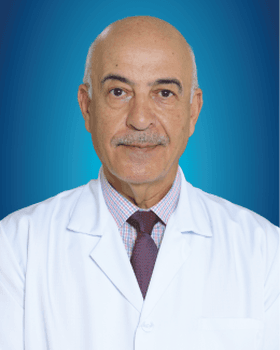
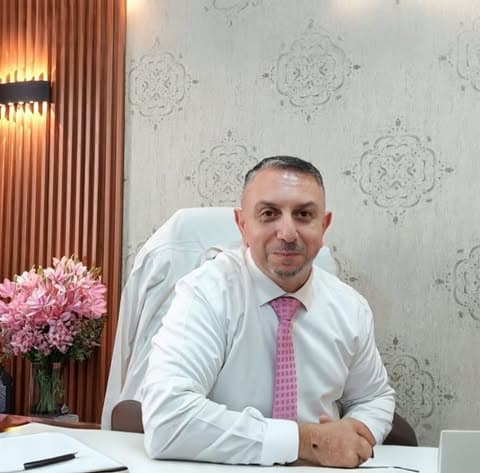
Dr. Adnan Fayez Almasri is a neurology specialist with the Jordanian Board and higher specialty training, following a medical degree at Jordan University of Sci…
A neurology specialist at I Clinic Medical Center in Karak, as identified by its professional announcement. areas include chronic headache, dizziness, sleep con…
Dr. Laith Maali is a consultant neurologist and vascular neurologist with American Board certification in both fields. He studied medicine at Jordan University …
Dr Salah Abdelatef Abdullah Al Beshawi is a consultant neurosurgeon whose practice includes pituitary, cerebral aneurysm and skull-base surgery. He holds a medi…
Prepared by ClinicsJo with automated assistance; sources checked editorially on 8 October 2026. This guide supports appointment planning and does not replace an individual assessment or your practitioner’s instructions.